
Donald Trump has outlined a new approach to restoring maritime traffic through the Strait of Hormuz one of the world’s most critical oil transit corridors without lifting the naval blockade currently targeting Iranian ports, raising fresh concerns over energy supply stability and regional escalation.
A strategy to restore shipping without easing pressure on Tehran
The Trump administration has put forward a proposal aimed at resuming international maritime traffic through the Strait of Hormuz while keeping the existing naval blockade on Iran in place. The plan seeks to reestablish safe passage for commercial shipping without removing the economic and military pressure Washington has applied to Tehran as part of its broader strategic posture in the region.
The naval blockade as a central instrument of U.S. policy
The naval blockade, implemented in April, has been a primary mechanism through which the United States has sought to constrain Iran’s ability to export oil and generate revenue. Under the proposed framework, the blockade would remain operational — focused on Iranian ports and vessel movements — while efforts to secure parallel navigation corridors for international shipping would proceed alongside it. The approach reflects Washington’s attempt to separate the flow of global trade from its bilateral confrontation with Iran.
Negotiations stalled over core conditions
The proposal emerges against a backdrop of failed diplomatic engagement. Talks between the United States and Iran broke down without a meaningful breakthrough, particularly on the question of Tehran’s nuclear program. Iran had conditioned further negotiations on the removal of the blockade, a precondition Washington declined to accept. The resulting impasse has extended the regional crisis, with both governments maintaining entrenched positions and little sign of near-term movement toward resolution.
Energy markets remain exposed to further disruption
The Strait of Hormuz carries a substantial share of global oil shipments, and the ongoing disruption to traffic through the corridor has already introduced significant volatility into energy markets. Previous restrictions and partial closures have reduced shipping activity and contributed to rising fuel prices internationally. A controlled reopening, if implemented, could offer some relief — but the continuation of the blockade signals that underlying instability is unlikely to dissipate in the short term.
Balancing military pressure with economic consequences
The dual nature of the plan — reopening a vital trade route while sustaining coercive pressure on Iran — reflects the inherent tension in Washington’s current approach. The administration has indicated it may seek coordination with allied nations to support maritime security in the region, though the scope and terms of any such arrangement have not been formally defined. The strategy carries significant execution risk, given the complexity of enforcing differentiated access rules in one of the world’s most heavily monitored waterways.
A fragile and unresolved situation
Even if the proposed framework succeeds in partially normalizing shipping through the strait, it stops well short of addressing the fundamental conflict driving the crisis. With the blockade still active, nuclear negotiations effectively suspended, and both sides showing limited willingness to compromise, the Strait of Hormuz remains one of the most consequential geopolitical flashpoints of 2026 — with direct implications for global trade, energy pricing, and international security.
Related Posts
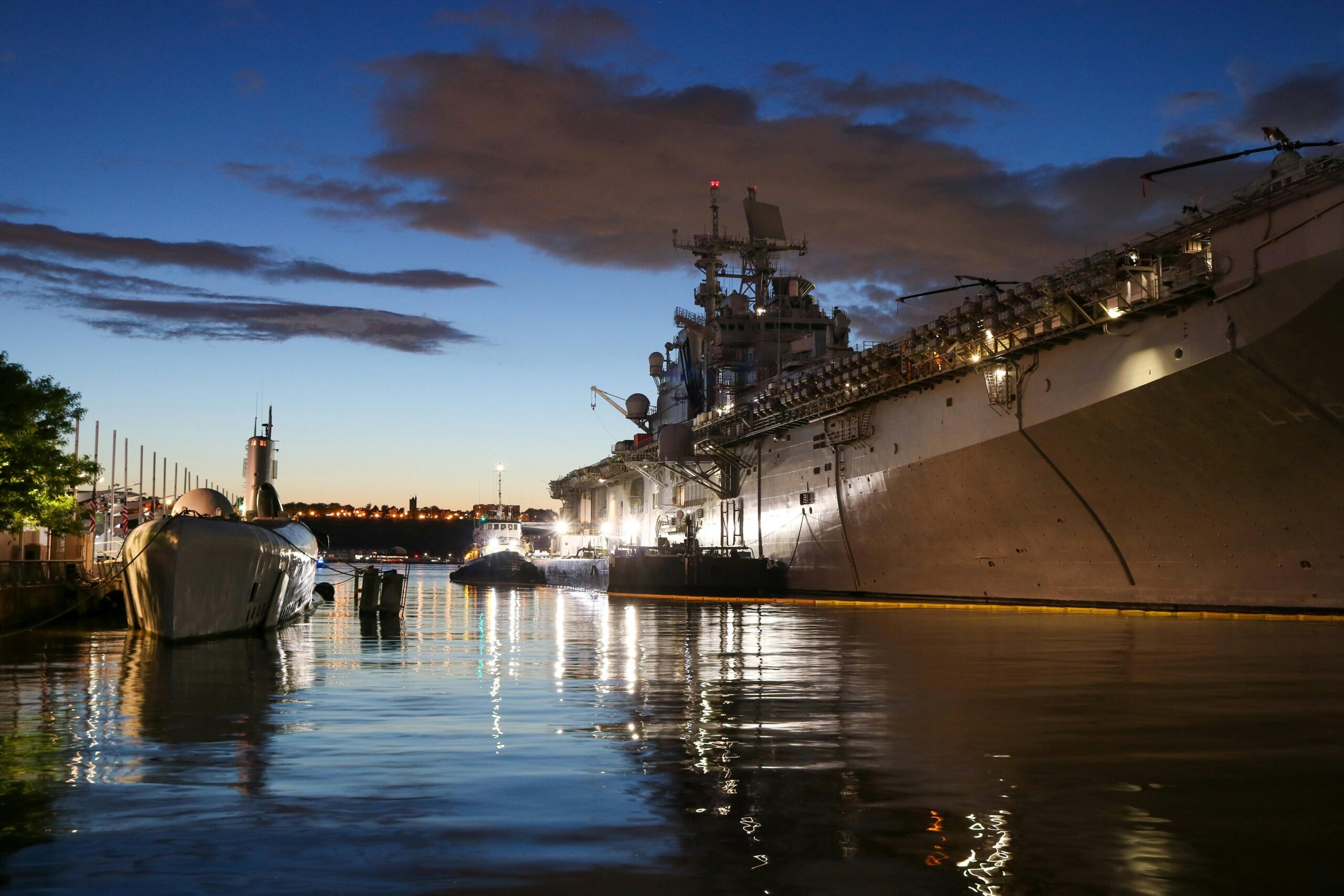
U.S. Navy destroys seven Iranian fast boats in Hormuz as Iran strikes South Korean ship and targets the UAE
Monday brought the most intense military exchange since the ceasefire…
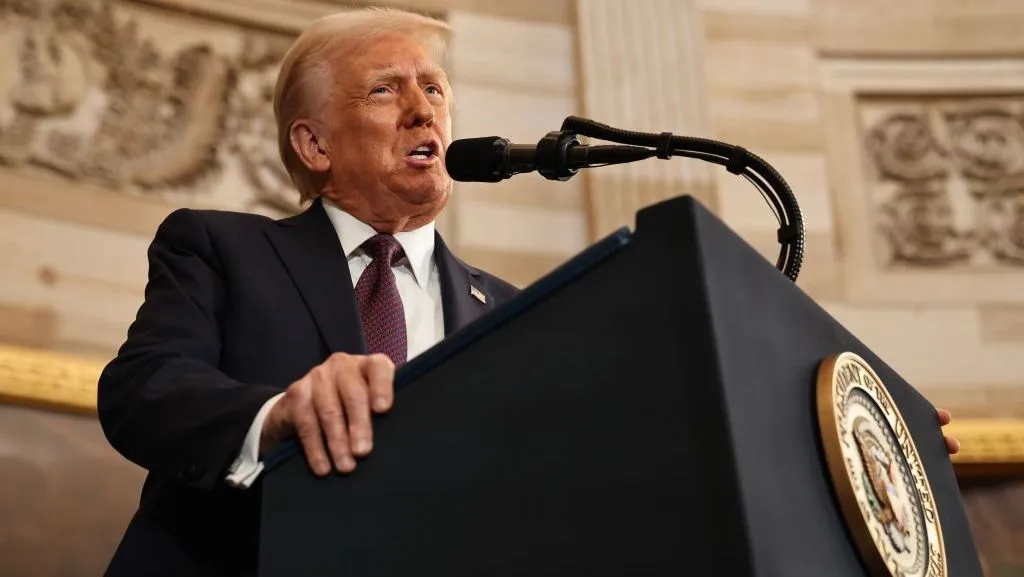
Donald Trump Speaks Out After Shooting Scare at Washington Dinner
U.S. President Donald Trump publicly addressed the security incident that…

World Cup 2026 Schedule Released: Every Match, Start Time and How Fans Can Watch
The world's biggest sporting event is finally here. FIFA has…
