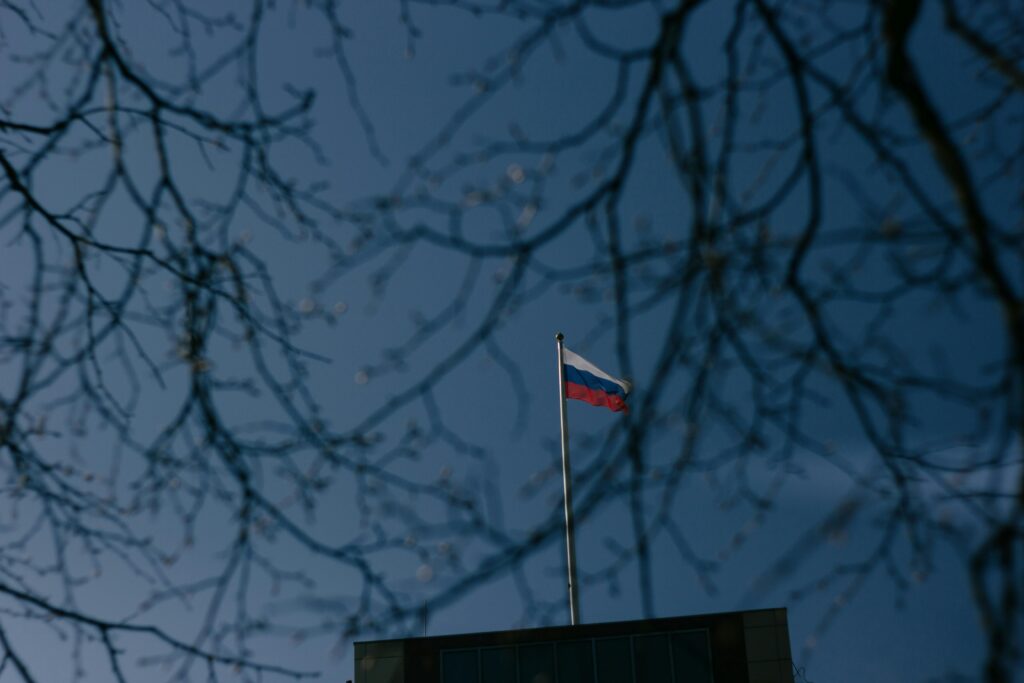
Xi Jinping and Vladimir Putin strengthened strategic ties between China and Russia after overseeing the signing of 42 new cooperation agreements during high-level meetings in Beijing.
The agreements reportedly involve:
- energy cooperation,
- technology,
- trade,
- infrastructure,
- media partnerships,
- artificial intelligence,
- and geopolitical coordination.
Both leaders described relations between their countries as stronger than ever, emphasizing what they called an “unprecedented level” of strategic partnership amid growing global tensions and shifting international alliances.
The meeting occurred during a period of increasing geopolitical competition involving:
- the United States,
- NATO,
- sanctions against Russia,
- global energy disputes,
- and international trade tensions.
According to international reports, energy cooperation remains one of the main pillars of the relationship between Moscow and Beijing. Russia continues expanding:
- oil exports,
- natural gas agreements,
- and long-term energy infrastructure projects
with China becoming one of its largest economic partners.
The new agreements also reportedly include collaboration involving:
- digital innovation,
- financial systems,
- logistics,
- and industrial development.
Analysts say the growing China-Russia partnership reflects broader efforts by both countries to reduce dependence on Western financial and political influence while strengthening alternative global alliances.
During the meetings, both governments also defended:
- sovereignty,
- multipolar global governance,
- and expanded cooperation between emerging economies.
Observers note that relations between Beijing and Moscow have intensified significantly in recent years following:
- Western sanctions against Russia,
- trade disputes involving China,
- and rising global military tensions.
Trade between the two nations has reached record levels, driven largely by:
- energy exports,
- industrial goods,
- technology exchanges,
- and strategic infrastructure investments.
The growing alliance continues attracting international attention because of its potential impact on:
- global energy markets,
- military balance,
- international trade systems,
- and future geopolitical power structures.
Meanwhile, Western governments continue closely monitoring the partnership as China and Russia increasingly coordinate positions on major international issues involving:
- security,
- sanctions,
- regional conflicts,
- and economic strategy.
The latest agreements reinforce the perception that Beijing and Moscow are accelerating efforts to build a long-term strategic partnership capable of reshaping global political and economic dynamics in the coming years.
Related Posts

Donald Trump Speaks Out After Shooting Scare at Washington Dinner
Cole Thomas Allen, suspected of opening fire at an event…
US Military Conducts 25 Intelligence Flights Near Cuba Amid Rising Tensions With Havana
The United States has significantly expanded military intelligence operations near…

Top U.S. Commander Pressured Over Iran War Plan During Heated Congressional Hearing
A senior United States military commander faced intense questioning during…
