Canada is reportedly deepening military and strategic cooperation with Nordic countries as geopolitical tensions in the Arctic continue rising following controversial statements linked to Donald Trump.
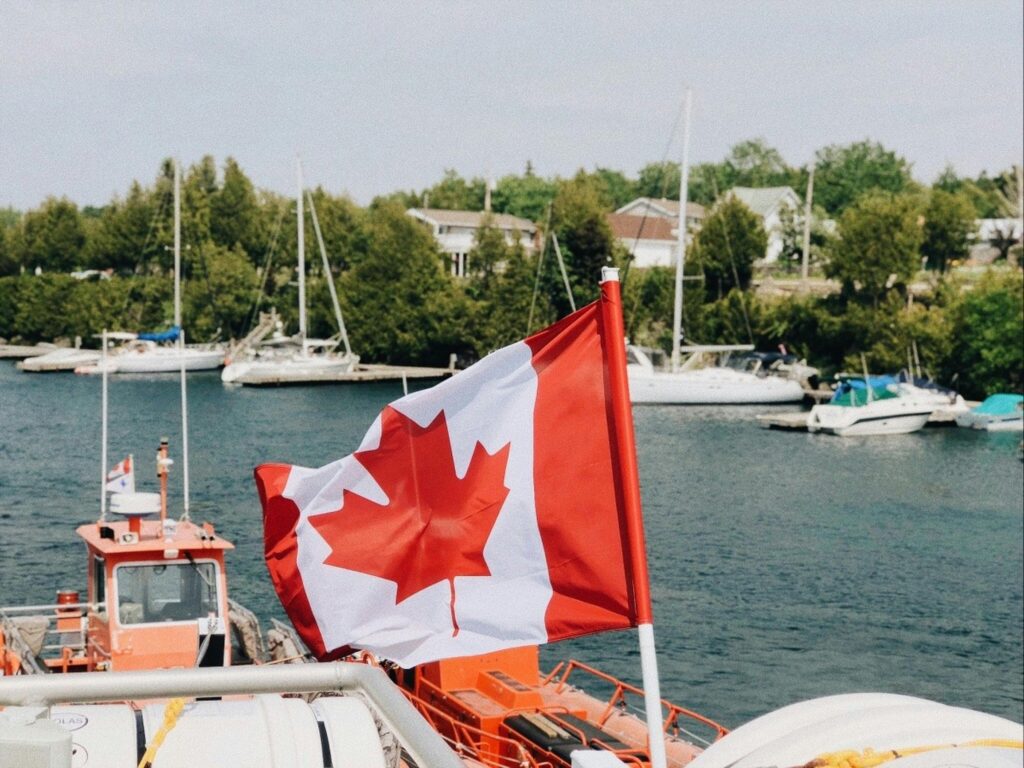
According to recent reports, Canadian officials are increasing coordination with nations such as:
- Denmark,
- Norway,
- Finland,
- Iceland,
- and Sweden
to strengthen Arctic security, intelligence sharing, and regional defense capabilities.
The move comes after renewed international attention surrounding Greenland and broader Arctic sovereignty issues. Trump’s past remarks involving Greenland reportedly accelerated security discussions among Arctic allies concerned about regional stability and strategic influence in the far north.
Canadian Prime Minister Mark Carney has reportedly prioritized closer partnerships with what he describes as reliable “middle-power” allies as Ottawa seeks to reduce long-term dependence on the United States for Arctic defense coordination.
The Arctic region has become increasingly important because of:
- military positioning,
- shipping routes,
- rare earth minerals,
- energy resources,
- and climate-driven territorial access.
Experts believe the region could become one of the most strategically contested geopolitical zones over the next decade.
Canada and Nordic nations are also reportedly discussing:
- joint security initiatives,
- Arctic patrol strategies,
- infrastructure cooperation,
- and community-based defense systems modeled after Canadian Rangers operating in remote northern territories.
Meanwhile, concerns involving Russian military activity and broader geopolitical competition in the Arctic continue pushing NATO-aligned countries toward stronger regional coordination.
Analysts say Arctic security is increasingly tied to:
- global trade,
- energy supply chains,
- military deterrence,
- and technological competition between major powers.
As climate change continues opening new maritime routes and expanding access to natural resources, international competition in the Arctic is expected to intensify significantly in coming years.
Related Posts
SpaceX Eyes Massive AI Opportunity Beyond Space Business
American space exploration giant made decision amid dispute between Musk…
Open-ended ceasefire: what led Trump to delay a new offensive against Iran
Lack of response from Tehran, internal divisions, and economic pressure…
Xi Jinping Celebrates “New Era” in US-China Relations as Trump Summit Reshapes Global Power Dynamics
Chinese President Xi Jinping praised what he described as a…
