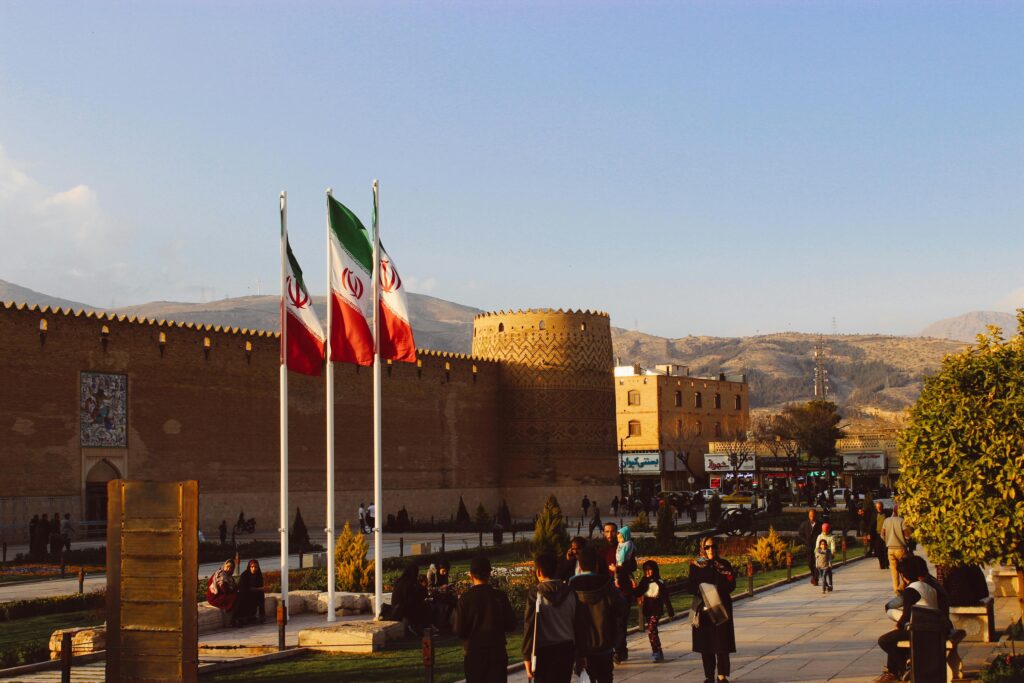
Reports suggesting that the United States and Iran had finalized a preliminary peace agreement were reportedly described as inaccurate by sources familiar with the negotiations, according to information cited by The Wall Street Journal.
The situation comes amid growing speculation that Washington and Tehran could be moving closer to a temporary arrangement aimed at reducing tensions and stabilizing the Middle East conflict.
Recent reports circulating in international media claimed negotiators had drafted a preliminary framework involving:
- ceasefire proposals,
- reopening maritime navigation routes,
- sanctions discussions,
- and protections for strategic infrastructure.
However, sources reportedly cautioned that several leaked versions of the alleged agreement do not accurately reflect the current state of negotiations.
One of the main unresolved issues remains the future of:
- Iran’s uranium stockpile,
- nuclear program limitations,
- and control over the Strait of Hormuz,
a critical global shipping route responsible for a large share of international oil transportation.
Diplomatic discussions are reportedly being mediated by countries including:
- Pakistan,
- Egypt,
- and Turkey,
while both sides continue exchanging proposals and revisions behind closed doors.
The negotiations occur during a period of heightened instability involving:
- rising oil prices,
- military tensions,
- global inflation concerns,
- and fears of broader regional escalation.
Investors and global markets have reacted strongly to every development connected to the talks because any agreement involving the Strait of Hormuz could significantly impact:
- global energy prices,
- shipping routes,
- financial markets,
- and international trade.
While some reports indicated possible progress toward a temporary ceasefire framework, neither the United States nor Iran has officially confirmed a finalized agreement.
The White House and Iranian officials continue signaling caution publicly, with ongoing disagreements reportedly preventing a comprehensive long-term settlement.
Analysts say both governments appear interested in avoiding further escalation, but major obstacles remain involving:
- sanctions relief,
- military guarantees,
- regional security,
- and nuclear oversight.
The uncertainty surrounding the negotiations continues fueling intense speculation across:
- financial markets,
- geopolitical circles,
- energy sectors,
- and international diplomacy.
For now, observers say any breakthrough agreement still appears highly fragile as negotiations continue under significant global pressure.
Related Posts

Legal Clash Between Elon Musk and OpenAI Escalates as Attorneys Challenge Executive Testimony
The ongoing legal dispute involving Elon Musk and OpenAI intensified…
Donald Trump Speaks Out After Shooting Scare at Washington Dinner
U.S. President Donald Trump publicly addressed the security incident that…

“Monster Shark” Older Than Dinosaurs Spotted Near U.S. Coast Sparks Fascination Online
Marine researchers are drawing attention after sightings of a rare…
