The World Health Organization has warned that the ongoing Ebola outbreak affecting parts of Central Africa is unlikely to end quickly as health authorities struggle to contain the spread of the virus.
According to recent updates from international health officials, the outbreak involving the rare Bundibugyo strain of Ebola has already generated:
- hundreds of suspected infections,
- more than 130 suspected deaths,
- and growing concern about regional transmission risks.
The outbreak is primarily affecting:
- the Democratic Republic of Congo,
- and Uganda,
with health agencies warning that humanitarian instability and armed conflict are making containment efforts significantly more difficult.
WHO Director-General Tedros Adhanom Ghebreyesus reportedly expressed serious concern regarding both:
- the speed of transmission,
- and the scale of the outbreak.
Health officials explained that the current Ebola strain presents additional challenges because there is currently:
- no fully approved vaccine,
- limited treatment availability,
- and delayed laboratory identification.
The WHO has already declared the situation a “public health emergency of international concern,” increasing global monitoring and emergency response coordination.
Medical teams are now focusing on:
- contact tracing,
- emergency surveillance,
- laboratory testing,
- community education,
- and isolation procedures
in an attempt to slow transmission.
Experts warn that containment efforts are being complicated by:
- population displacement,
- weak healthcare infrastructure,
- ongoing regional violence,
- and diseases with similar early symptoms such as malaria and typhoid fever.
The WHO also indicated that experimental vaccines are under development, but large-scale testing and deployment could still require several months.
Global health specialists say Ebola outbreaks can become especially dangerous when transmission reaches:
- densely populated urban areas,
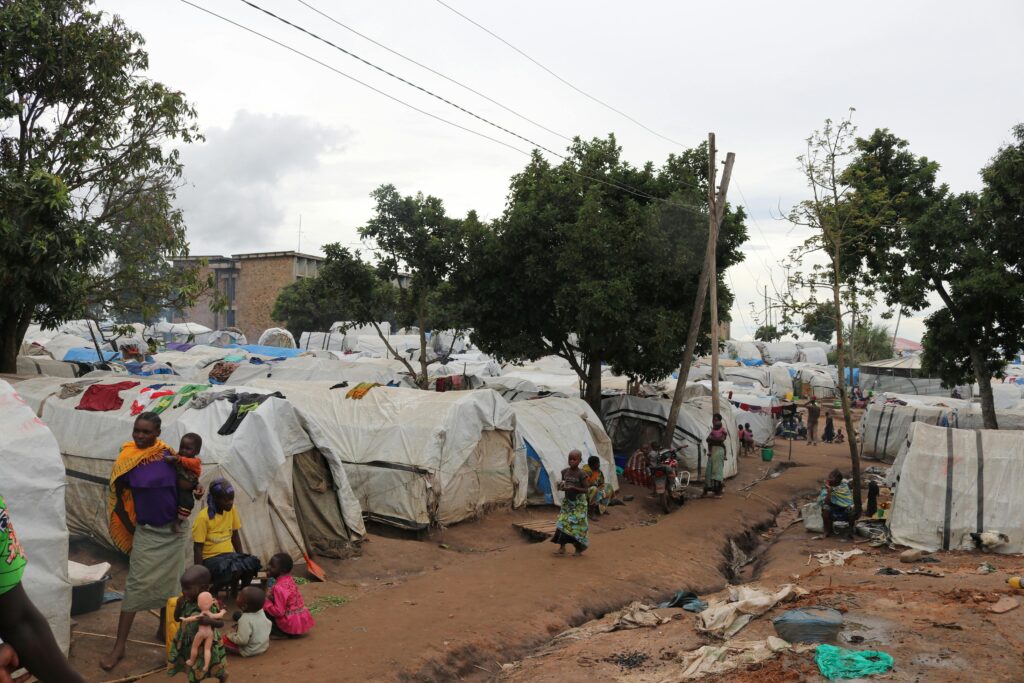
- refugee populations,
- or regions with limited medical access.
Despite growing concern, health authorities emphasized that Ebola spreads differently from airborne viruses because transmission generally occurs through direct contact with:
- bodily fluids,
- infected individuals,
- or contaminated materials.
International organizations continue urging governments and neighboring countries to strengthen border monitoring, emergency preparedness, and rapid detection systems while attempting to prevent wider international spread.
Related Posts

GTA 6 Trailer 3 and pre-order details: everything leaked so far — and what’s actually credible
With GTA 6's November 19 release date less than six…

Drone strikes UAE’s Barakah nuclear plant for the first time — fire contained, no radiation released, IAEA expresses “grave concern”
A drone attack sparked a fire at an electrical generator…

Trump Pushes for China Market Access as Beijing Prioritizes Domestic Growth Strategy
Trade tensions between the United States and China remain at…
