Germany’s defense minister says Europe must take greater responsibility for its own security after U.S. announces withdrawal of 5,000 troops
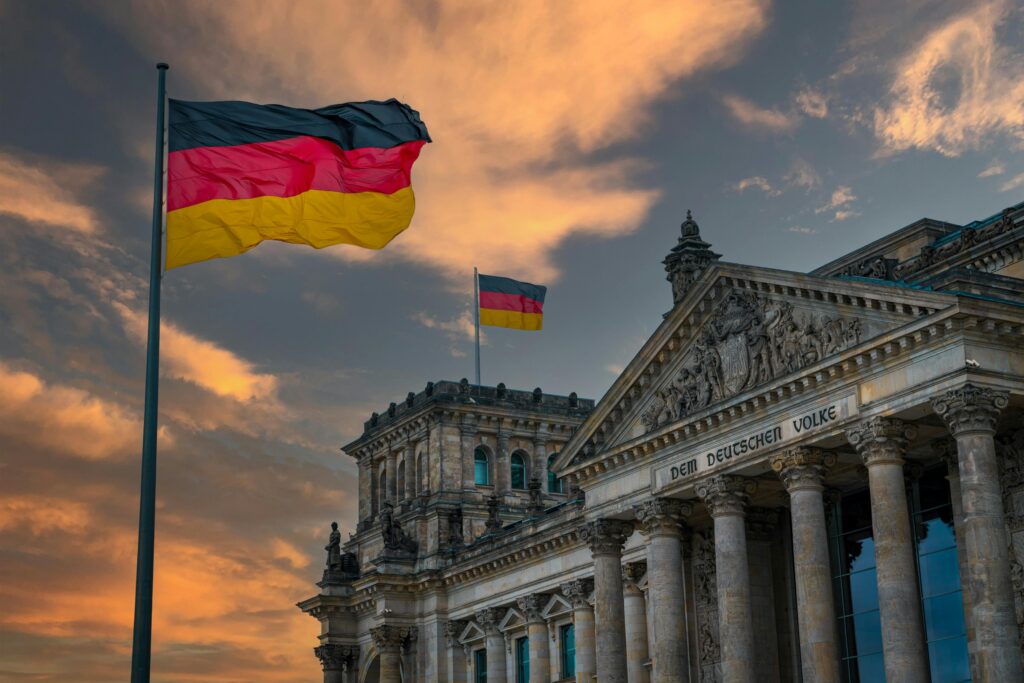
German Defence Minister Boris Pistorius said on Saturday that the planned U.S. troop drawdown from Germany was foreseeable and used it as a call to action for European nations — even as he stressed the mutual strategic value of the transatlantic military relationship.
The Pentagon’s announcement and Berlin’s response
The Pentagon announced on Friday that the United States will withdraw approximately 5,000 military personnel from Germany over the next six to twelve months — a significant reduction from a current presence that Pistorius put at nearly 40,000 soldiers. The decision, described by Pentagon spokesperson Sean Parnell as the result of a thorough review of U.S. force posture in Europe, comes against a backdrop of escalating friction between Washington and its European NATO allies over the Iran war and trade policy.
Responding to the announcement in an interview with the German Press Agency (DPA), Pistorius said the drawdown was expected and framed it as a prompt for greater European self-reliance. Germany is on the right track, he said, pointing to the Bundeswehr’s ongoing expansion, accelerated equipment procurement, and infrastructure development as evidence of Berlin’s commitment to shouldering more of the alliance’s defense burden.
A call for a more European NATO
Pistorius argued that for the transatlantic alliance to remain strong, NATO itself must become more European in character. He emphasized that the presence of American soldiers in Europe — and specifically in Germany — serves the interests of both Washington and Berlin, framing the relationship as one of mutual benefit rather than dependence. At the same time, his remarks made clear that European capitals can no longer rely on the U.S. security umbrella to the same degree as in previous decades.
NATO spokesperson Allison Hart echoed the sentiment, stating that the troop adjustment underscores the need for European allies to invest more in defense and take on a greater share of collective security responsibility. She noted that progress is being made toward a target of NATO members each committing 5 percent of economic output to defense spending.
The broader context: a fraying transatlantic relationship
The troop withdrawal announcement is the latest development in a deteriorating relationship between the Trump administration and its European partners. Trump has expressed repeated frustration over European allies’ refusal to join the U.S.-Israeli military campaign against Iran, and has publicly clashed with several European heads of government. German Chancellor Friedrich Merz drew a sharp rebuke from Washington last week after describing U.S. strategy in the Middle East as incoherent and suggesting that American credibility was being damaged by the conflict.
The trade dimension has compounded the tension. Trump announced plans to raise tariffs on European cars and trucks to 25 percent — a move with particularly severe implications for Germany, one of the world’s leading automobile exporters. At least one senior EU lawmaker called the measure unacceptable, accusing Washington of violating a prior trade agreement.
Germany’s rearmament push and its limits
Germany has set a target of expanding its Bundeswehr from a current strength of approximately 185,000 active-duty soldiers to 260,000 — though some defense analysts and political critics have argued the figure falls short of what is needed given the perceived threat environment from Russia. Funding constraints and procurement timelines mean that even with political will, closing Europe’s defense capability gap relative to the United States will take years, if not longer.
The U.S. military presence in Germany — which began as an occupation force after World War Two and peaked during the Cold War at hundreds of thousands of personnel — includes strategically critical installations such as Ramstein Air Base and Landstuhl Regional Medical Center, both of which have played active roles in supporting the Iran war effort. Whether those facilities will be affected by the drawdown has not been specified.
A structural shift in the transatlantic relationship
Pistorius’s measured tone notwithstanding, the announcement marks a concrete step in a long-anticipated structural realignment of NATO’s burden-sharing arrangements. European governments have known for years that Washington’s patience with asymmetric defense commitments was running out; the Iran war, and the diplomatic fallout it has generated, has accelerated that reckoning. Whether Europe can build credible independent defense capabilities quickly enough to compensate for a reduced American footprint remains the central question — and one that Friday’s announcement has made considerably more urgent.