Samsung Galaxy Z Fold8 Review (512GB, Cream)

Overview
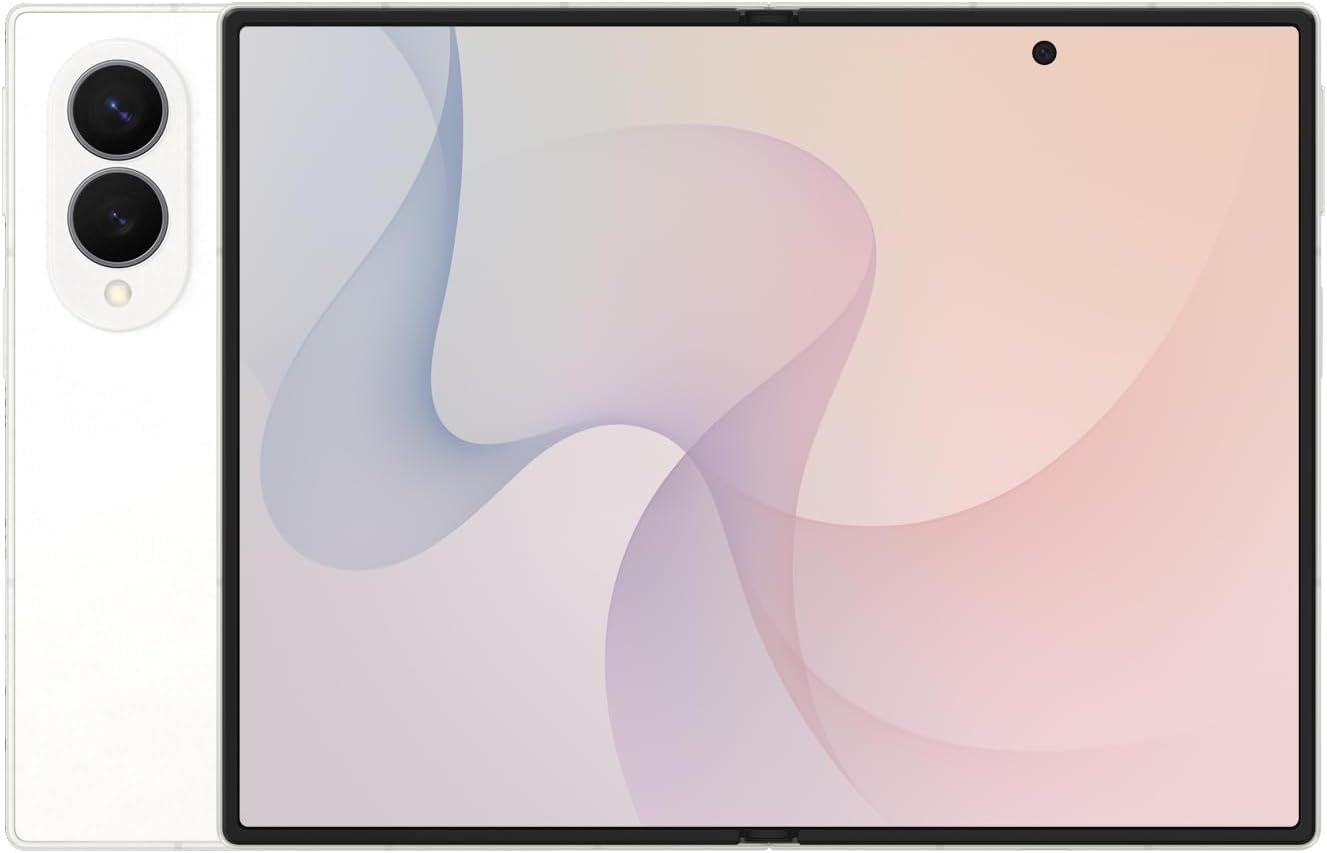
This review covers the Samsung Galaxy Z Fold8, 512GB storage, Cream color, unlocked. It’s genuinely important to understand this device’s positioning within Samsung’s current foldable lineup, because it represents a real strategic shift, not just an incremental update. Alongside this standard Fold8, Samsung simultaneously released the pricier Galaxy Z Fold8 Ultra, which inherits most of the specs and camera hardware that previously defined the “Fold7 successor” experience. Multiple reviewers, including XDA Developers, have specifically noted this split is a bit confusing: depending on how you look at it, either the Fold8 or the Fold8 Ultra is the “true” successor to last year’s Fold7, and Samsung’s naming has drawn some direct criticism for not making that clearer. This review reflects the standard Fold8 as sold under this specific ASIN — a genuinely new, wider-format device starting at $1,899, distinct from the $2,100+ Fold8 Ultra.
Specs for this configuration: Snapdragon 8 Elite Gen 5 for Galaxy chipset, 12GB RAM, 512GB storage, a 7.6-inch inner display and 5.5-inch outer cover display (both AMOLED, up to 3,000 nits peak brightness), a 4,800mAh battery with Super Fast Charging 2.0, a 50MP dual rear camera system, and Samsung’s new Flex Titanium hinge technology.
Design: A Genuine Reimagining, Not Just an Update
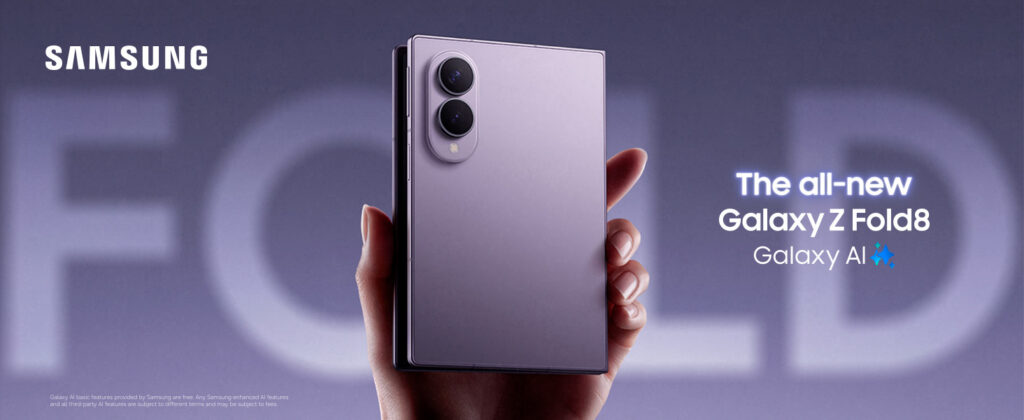
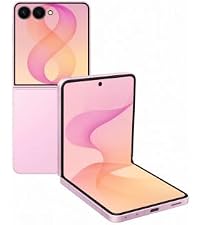
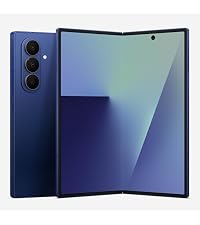
This is where the Fold8 earns its most consistent, enthusiastic praise, and multiple independent reviewers reached similar conclusions independently. Gizmodo’s reviewer described falling for the phone almost immediately, praising how the shorter, wider closed footprint quickly felt natural after a few days of use, while Android Central’s reviewer called it a genuine “Goldilocks” foldable — sitting in a comfortable middle ground between traditional book-style folds and flip phones. The core idea, echoed across reviews, is that this new aspect ratio makes the Fold8 feel genuinely phone-like when closed and genuinely tablet-like when opened, addressing a longstanding compromise in Samsung’s earlier Fold designs.
It’s worth noting one real trade-off of the wider closed design: Geeky Gadgets specifically flagged that the wider form factor can feel more cumbersome for one-handed use, particularly for people with smaller hands — a fair, physically inherent consequence of making the closed device wider rather than a design flaw exactly, but worth knowing if one-handed use matters to you.
The Crease: Genuinely Better, Not Eliminated
This is worth treating carefully and honestly, since it’s an area where marketing claims and real-world testing diverge somewhat. Samsung’s new Flex Titanium hinge — using a titanium plate behind the display alongside a reinforced titanium alloy top film and a new anti-reflective coating — measurably reduces crease visibility compared to prior Samsung foldables, and this is confirmed independently across multiple outlets. Gizmodo’s reviewer, testing over two weeks, found the crease deepens with hundreds of folds and remains visible when the screen is off, but said it’s rarely noticeable during actual use like watching videos or gaming. Geeky Gadgets’ review was more direct in stating plainly that the crease remains noticeable under specific lighting conditions — a fair, honest caveat that echoes a broader, ongoing reality of foldable phone technology generally: crease reduction has clearly improved, but hasn’t been fully solved, on this device or any competitor’s.
Cameras: A Real, Debated Downgrade
This is the most substantively criticized aspect of the standard Fold8, and it deserves direct, unambiguous treatment. The standard Fold8 drops to a 50-megapixel main and 50-megapixel ultrawide rear camera setup, with no dedicated telephoto lens at all — a genuine downgrade from the Fold7’s 200-megapixel main camera and telephoto zoom. XDA Developers’ review called this a clear downgrade, and The Verge and 9to5Google both independently confirmed the same camera cuts: a smaller, lower-resolution main sensor with a narrower aperture than the Fold7’s, and the complete loss of a telephoto lens, capping zoom at 10x digital rather than genuine optical zoom. If camera quality and zoom capability are a significant part of your smartphone use, this is a legitimate, well-documented step back from last year’s model, and Samsung’s Fold8 Ultra (which retains the more capable camera system, including up to 100x zoom) exists specifically to serve buyers who prioritize this.
Water and Dust Resistance: Also Reduced
This is a second concrete, confirmed trade-off worth flagging clearly rather than glossing over. The standard Fold8 carries an IP48 rating, which Expert Reviews specifically flagged as a real concern at this price point, rather than the more robust IP68 rating carried by the Fold7 and the pricier Fold8 Ultra. In practical terms, this means meaningfully reduced protection against dust ingress and submersion compared to Samsung’s previous flagship foldable — a genuine downgrade for buyers who valued that protection, and worth factoring into how carefully you’ll need to handle the device around dust, sand, or water.
Battery Life and Longevity
Battery life itself is a genuine strength: T3’s real-world testing found roughly 11 hours of continuous YouTube playback with brightness up and Bluetooth headphones connected — a decent, solid result even short of Samsung’s advertised 26-hour claim under more conservative conditions. There’s a more nuanced, longer-term consideration worth mentioning honestly: T3 also reported that the Fold8’s battery is rated for 1,200 charge cycles, a 40% reduction from the Fold7’s 2,000-cycle rating — which reasonably suggests the battery may show more capacity degradation over a multi-year ownership period than last year’s model, even though day-to-day battery life on a new unit is solid.
Performance and Software
The Snapdragon 8 Elite Gen 5 chipset delivers genuinely strong performance for multitasking, split-screen productivity, and demanding apps, and Geeky Gadgets specifically praised high Geekbench scores and smooth simultaneous app handling. That said, several reviewers flagged real software rough edges specific to this new form factor: XDA Developers found no Flex Mode support (the tabletop, angled-screen mode common on prior Fold and Flip devices), inconsistent handoff between the cover and inner displays, and occasional app compatibility issues, specifically citing problems with Instagram. A broader roundup of user and buyer feedback also raised concerns about heat buildup during prolonged gaming or heavy multitasking, along with a protruding camera bump that can cause the device to wobble when placed flat on a table (the long-standing “desk wobble” issue), and there’s no S Pen support on this model.
How It Compares
The honest, central decision most buyers will face is this: the standard Fold8, at $1,899, buys you Samsung’s most refined foldable design yet — genuinely praised, comfortable in the hand, and well-suited to media consumption and productivity — but at the cost of a real camera downgrade, reduced water/dust resistance, and lower long-term battery cycle life relative to the Fold7 it replaces. The Fold8 Ultra, at roughly $200 more, restores the more capable camera system (including genuine telephoto zoom), the IP68 rating, and a larger 5,000mAh battery, positioning it as the more direct successor to the Fold7 for buyers who prioritize those specs. CNN Underscored’s review also offered a useful, more skeptical framing on value broadly: a $900 Galaxy S26 plus a $670 Galaxy Tab S10 FE would actually beat the Fold8’s camera quality while coming in well under its price — a fair reminder that the Fold8’s real selling point is the seamless, single-device versatility of switching between phone and tablet experiences, not raw specs-per-dollar.
| Main Screen | 7.6″ | 8.0″ | 6.7″ | 8.0″ |
| Cover Screen | 5.5″ | 6.5″ | 4.1″ | 6.5″ |
| Rear Camera | 50MP Wide, 50MP Ultrawide | 200MP Wide, 50MP Ultrawide | 50MP Wide, 50MP Ultrawide | 200MP Wide, 50MP Ultrawide |
| Telephoto Lens | N/A | 10MP | N/A | 10MP |
| Camera Zoom | 10x Digital | 3x Optical, 30x Space Zoom | 10x Digital | 3x Optical, 30x Space Zoom |
| Front Camera | 10MP | 10MP | 10MP | 10MP |
| Battery Capacity | 4,800mAh | 5,000mAh | 4,300mAh | 4,400mAh |
| Super Fast Charging | ||||
| RAM | Storage | 12GB | 256GB & 512GB | 12GB | 256GB & 512GB | 12GB | 256GB & 512GB | 12GB | 256GB & 512GB |
Pros and Cons
Verdict
The Samsung Galaxy Z Fold8 is a genuinely exciting, well-received reimagining of Samsung’s foldable formula — its new wider design and reduced crease earned real, independently-corroborated enthusiasm from multiple reviewers, and it represents Samsung’s most refined foldable hinge and display technology to date. The honest complication is that this refinement came with real, confirmed trade-offs versus last year’s Fold7: a genuine camera downgrade, reduced water resistance, and a battery rated for fewer long-term charge cycles. If your priority is the best possible day-to-day foldable experience — pocketability, display quality, and productivity — and camera performance or maximum durability aren’t your top concerns, the standard Fold8 is a well-reviewed, genuinely likable device. If you specifically want the camera capability and durability that defined Samsung’s previous top-tier foldables, the pricier Fold8 Ultra is the more direct successor and the better fit for that priority.

Related Posts
Google Pixel 10 Pro XL Review — The Smartest Camera Phone of 2026?
The Google Pixel 10 Pro XL continues Google’s strategy of…
Dell 27 Plus 4K Monitor (S2725QC) Review: 4K, 120Hz, and USB-C Power Delivery in One Cable
Overview The Dell 27 Monitor S2725QC is a 27-inch 4K…

LEGO FIFA World Cup Official Trophy (43020) Review — The Ultimate World Cup Collector’s Set
The LEGO FIFA World Cup Official Trophy (Set 43020) is…
