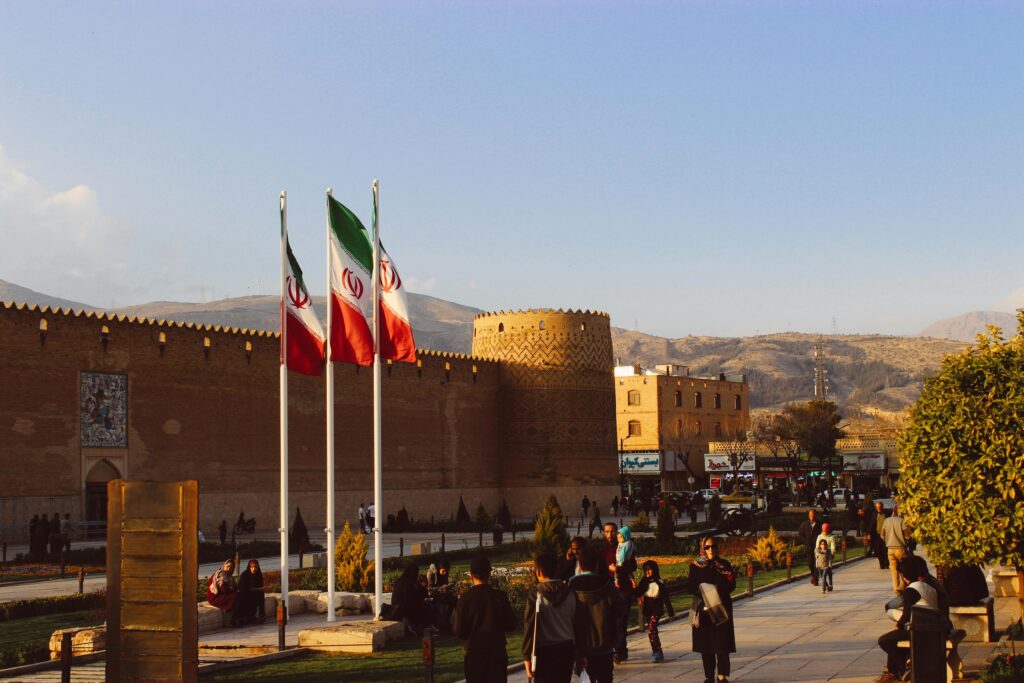
Pakistan has reportedly delivered a revised proposal from Iran to the United States as diplomatic efforts intensify to reduce tensions and potentially end the ongoing conflict in the Middle East.
According to international reports, Pakistani officials acted as intermediaries during negotiations involving Washington and Tehran amid growing global concerns over regional instability, energy markets, and military escalation.
The revised proposal reportedly includes discussions connected to:
- ceasefire conditions,
- regional security guarantees,
- sanctions,
- diplomatic negotiations,
- and military de-escalation efforts.
Pakistan’s involvement highlights its increasingly important diplomatic role in regional mediation between major geopolitical powers.
Analysts say Islamabad maintains strategic communication channels with multiple governments across:
- the Middle East,
- Asia,
- and Western allies,
allowing the country to position itself as a potential diplomatic bridge during periods of heightened tension.
The negotiations emerge during a critical moment for global markets as investors continue monitoring risks involving:
- oil supply disruptions,
- shipping security,
- inflation pressures,
- and military escalation near strategic trade routes.
Officials from both Iran and the United States have not publicly confirmed full details of the revised proposal, but diplomatic sources indicate indirect communication efforts remain active.
The situation has intensified international attention surrounding:
- the Strait of Hormuz,
- regional military operations,
- global energy prices,
- and broader geopolitical stability.
Experts warn that prolonged conflict in the region could significantly affect:
- oil markets,
- international trade,
- global inflation,
- and financial market volatility.
Meanwhile, diplomatic observers believe mediation efforts involving countries such as Pakistan, Qatar, and Oman may become increasingly important as international pressure grows for a negotiated solution.
Global leaders continue urging restraint while investors and governments closely monitor developments that could reshape both regional security dynamics and the broader global economy.
Related Posts
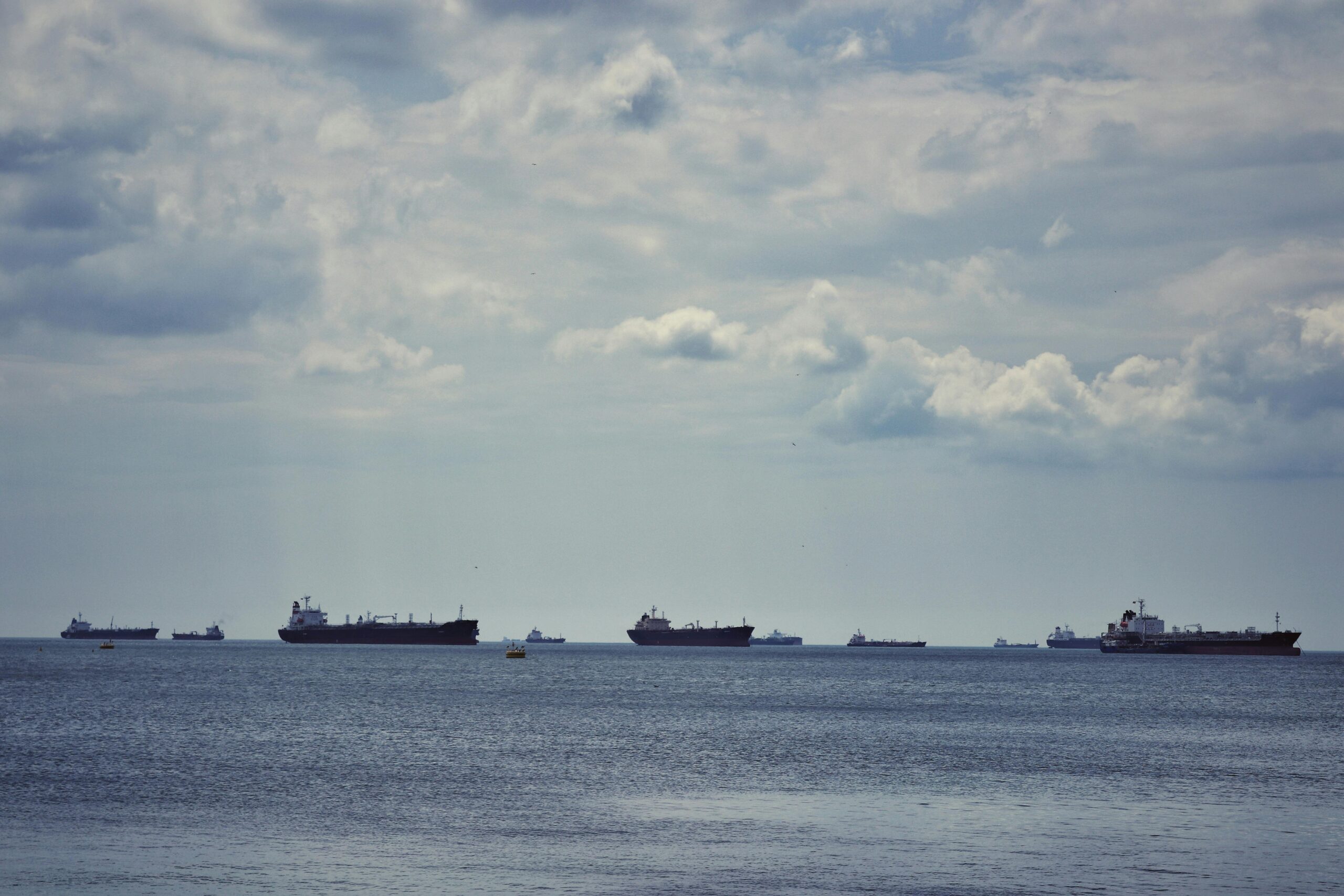
Trump says 400 oil tankers are stranded at the Strait of Hormuz and predicts prices will “drop like a rock” when the war ends
Speaking on May 1, President Trump described a massive backlog…
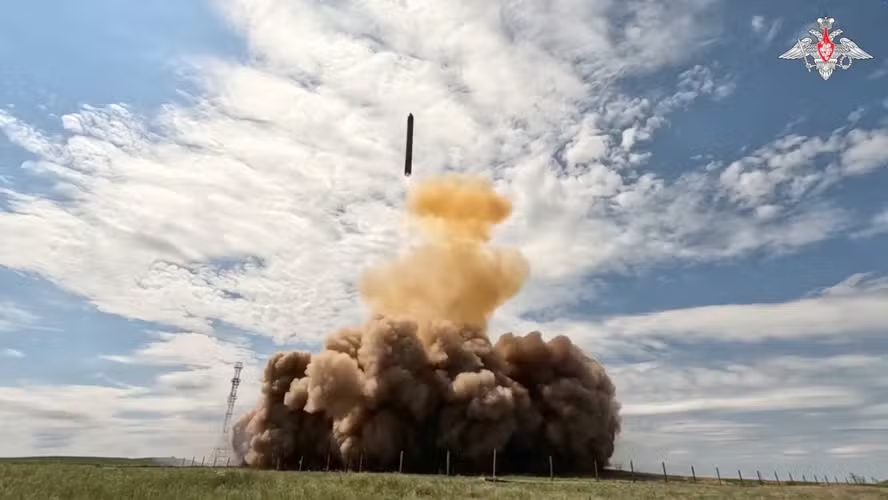
Putin Announces Deployment of Russia’s Sarmat Nuclear Missile, Described as the Most Powerful in the World
Russian President Vladimir Putin announced that Russia will deploy its…
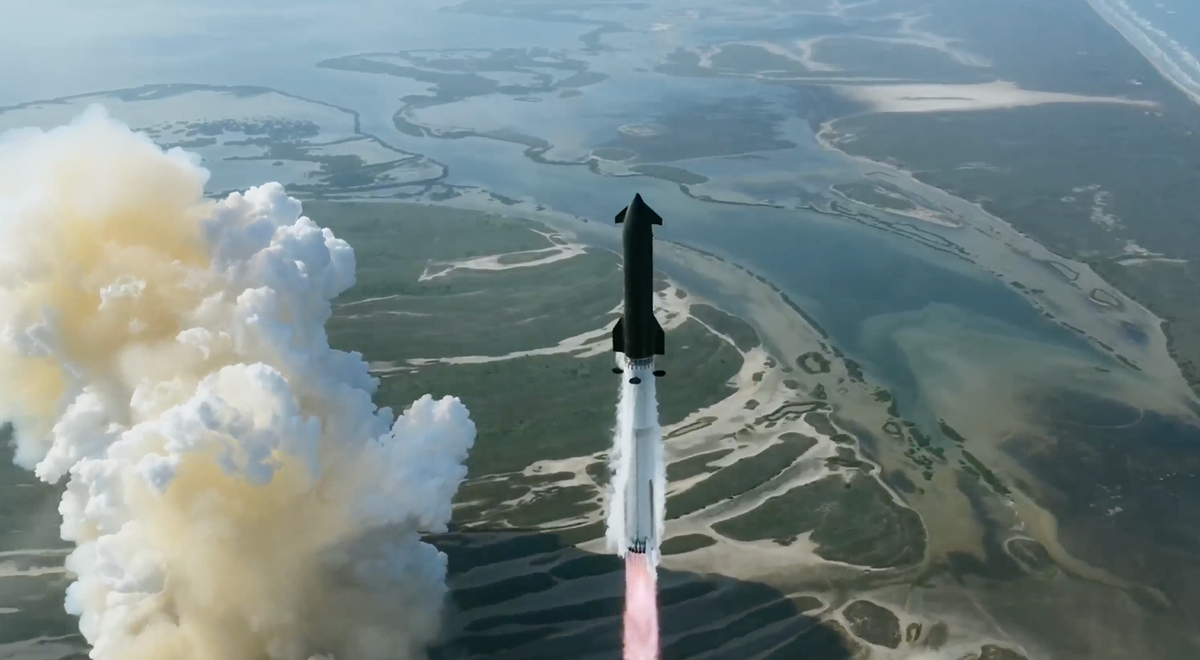
SpaceX Starship V3 completes its first test flight and “delivered” on all goals — a key milestone ahead of the largest IPO in history
The world's largest and most powerful rocket lifted off from…
