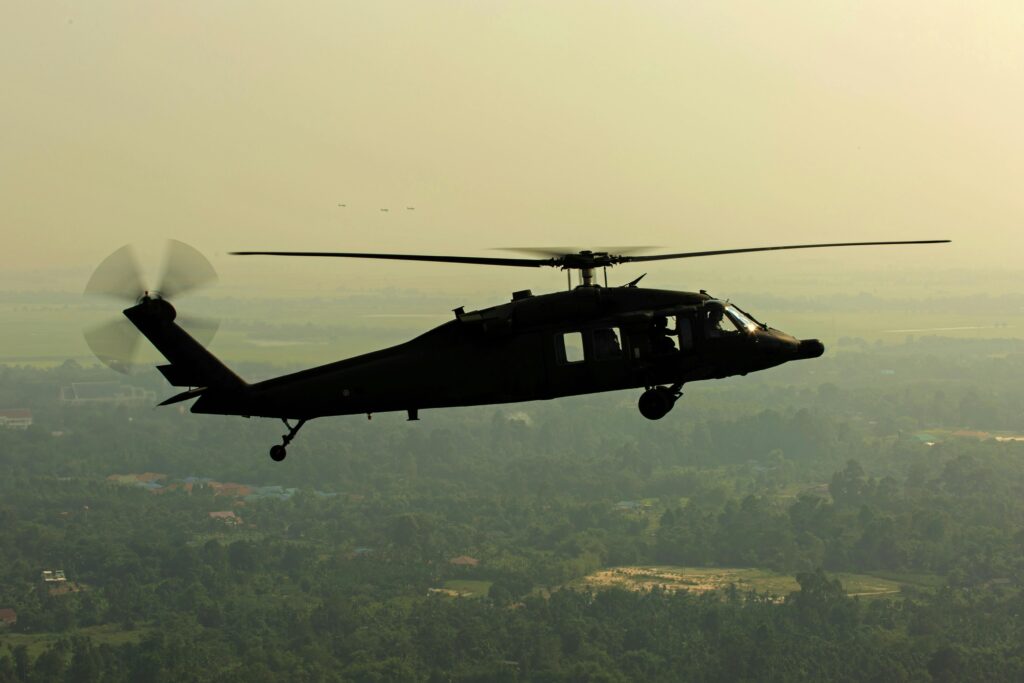
Reports surrounding the ongoing conflict involving the United States and Iran indicate that more than 40 American military aircraft may have been lost during combat operations and regional military missions.
According to sources and military analysts, the reported losses involve different types of aircraft used in:
- surveillance,
- combat operations,
- reconnaissance,
- refueling,
- and regional support missions.
Officials have not publicly confirmed the full extent of the alleged losses, while defense experts continue analyzing battlefield reports, satellite imagery, and military activity across the region.
The conflict has significantly increased tensions throughout the Middle East, particularly near:
- the Persian Gulf,
- strategic military bases,
- oil infrastructure,
- and major international shipping routes.
Military analysts note that modern conflicts increasingly involve:
- advanced air defense systems,
- drones,
- electronic warfare,
- cyber operations,
- and missile technology,
making aerial operations substantially more dangerous than in previous decades.
The situation has also intensified concerns regarding:
- global oil supply stability,
- regional security,
- energy prices,
- and broader geopolitical risks.
Investors continue closely monitoring developments because prolonged instability in the Middle East could heavily impact:
- financial markets,
- fuel prices,
- shipping logistics,
- and international trade routes.
The reported aircraft losses have generated strong reactions among military experts and geopolitical observers, with many highlighting the growing complexity of modern warfare involving highly advanced weapons systems.
Meanwhile, diplomatic efforts involving multiple international actors continue attempting to reduce tensions and prevent wider regional escalation.
Global leaders have repeatedly urged restraint as concerns grow over the possibility of broader military confrontation affecting neighboring countries and international security alliances.
The conflict remains one of the most closely monitored geopolitical crises in the world due to its potential impact on:
- global energy markets,
- defense strategies,
- international diplomacy,
- and worldwide economic stability.
Related Posts

Microsoft Adopts “Too Dangerous” AI to Boost Cybersecurity Defenses
Photo: Chesnot/Getty Images Microsoft has confirmed plans to adopt a…

Disney vs DeSantis: How a Political Battle Delayed Years of Theme Park Expansion
A behind-the-scenes legal fight between Disney and Florida Governor Ron…

Draft U.S.-Iran Peace Deal Reports Described as “Inaccurate” Amid Ongoing Negotiations
Reports suggesting that the United States and Iran had finalized…
