Quick Verdict
These two tablets aren’t really fighting in the same weight class anymore, and that’s exactly why this comparison matters. The Lenovo Idea Tab (11″, Dimensity 6300, 8GB RAM) is a current, actively-sold budget Android tablet that Lenovo still markets in 2025–2026 configurations. The iPad 10th Generation was discontinued by Apple in March 2025 and replaced by the iPad (A16) — meaning any 10th Gen unit you buy today is either leftover retail stock, refurbished, or used.
That single fact should drive most of your decision:
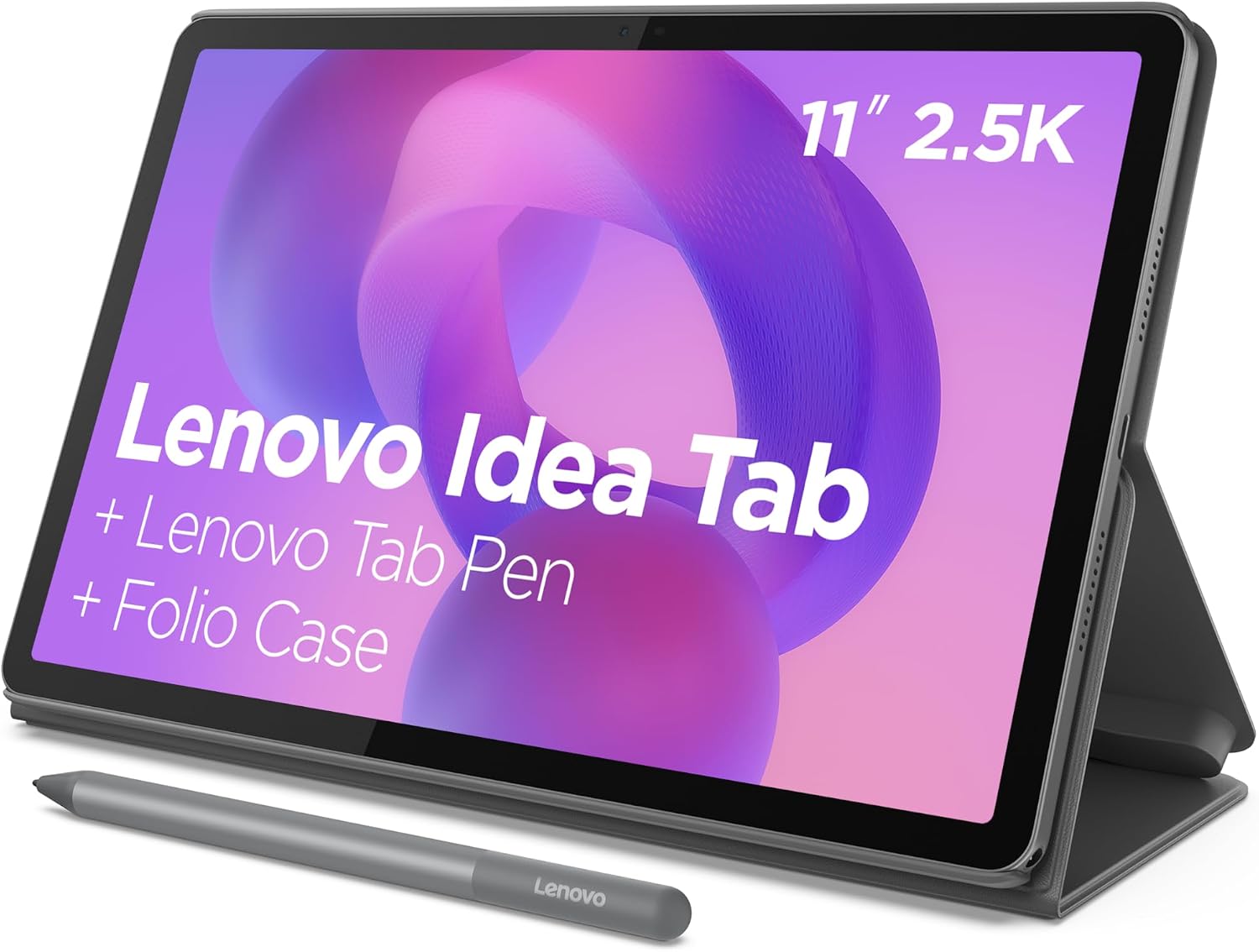
- Buy the Lenovo Idea Tab if you want a brand-new device with a warranty, a sharper 2.5K screen, quad speakers, and a bundled stylus, all for less money than a used iPad.
- Buy the iPad 10th Gen if you’re already invested in Apple’s ecosystem, need iPadOS-only apps, or plan to use it primarily for FaceTime, iMessage, or AirPlay with other Apple devices — and you’re comfortable buying refurbished.
- Skip both if budget allows and consider the iPad (A16) or Lenovo’s own Idea Tab Pro Gen 2 — both are newer, better-supported alternatives in a similar price bracket.

Specs Comparison Table
| Feature | Lenovo Idea Tab (2025/2026) | iPad 10th Generation (2022) |
|---|---|---|
 |  | |
| Display | 11″ 2.5K (2560×1600) IPS, 90Hz, 500 nits | 10.9″ Liquid Retina, 2360×1640, 60Hz, 500 nits |
| Processor | MediaTek Dimensity 6300 | Apple A14 Bionic |
| RAM | 8GB LPDDR4x | 4GB LPDDR4X |
| Storage | 128GB / 256GB (expandable via microSD) | 64GB / 256GB (not expandable) |
| Battery | 7,040mAh, 20W fast charging | 28.6Wh, 20W charging |
| Rear Camera | 8MP with autofocus | 12MP Wide |
| Front Camera | 5MP wide | 12MP Ultra Wide with Center Stage |
| Speakers | Quad speakers | Stereo speakers (landscape) |
| Operating System | Android 15 (out of the box) | iPadOS (currently iPadOS 26) |
| OS Update Support | Not officially guaranteed long-term by Lenovo for this base model | Still receiving iPadOS updates as of 2026 |
| Stylus Support | Lenovo Tab Pen (often bundled) | Apple Pencil (USB-C), Apple Pencil 1st gen (adapter needed) |
| Keyboard Accessory | Lenovo Folio Keyboard (pogo-pin) | Magic Keyboard Folio |
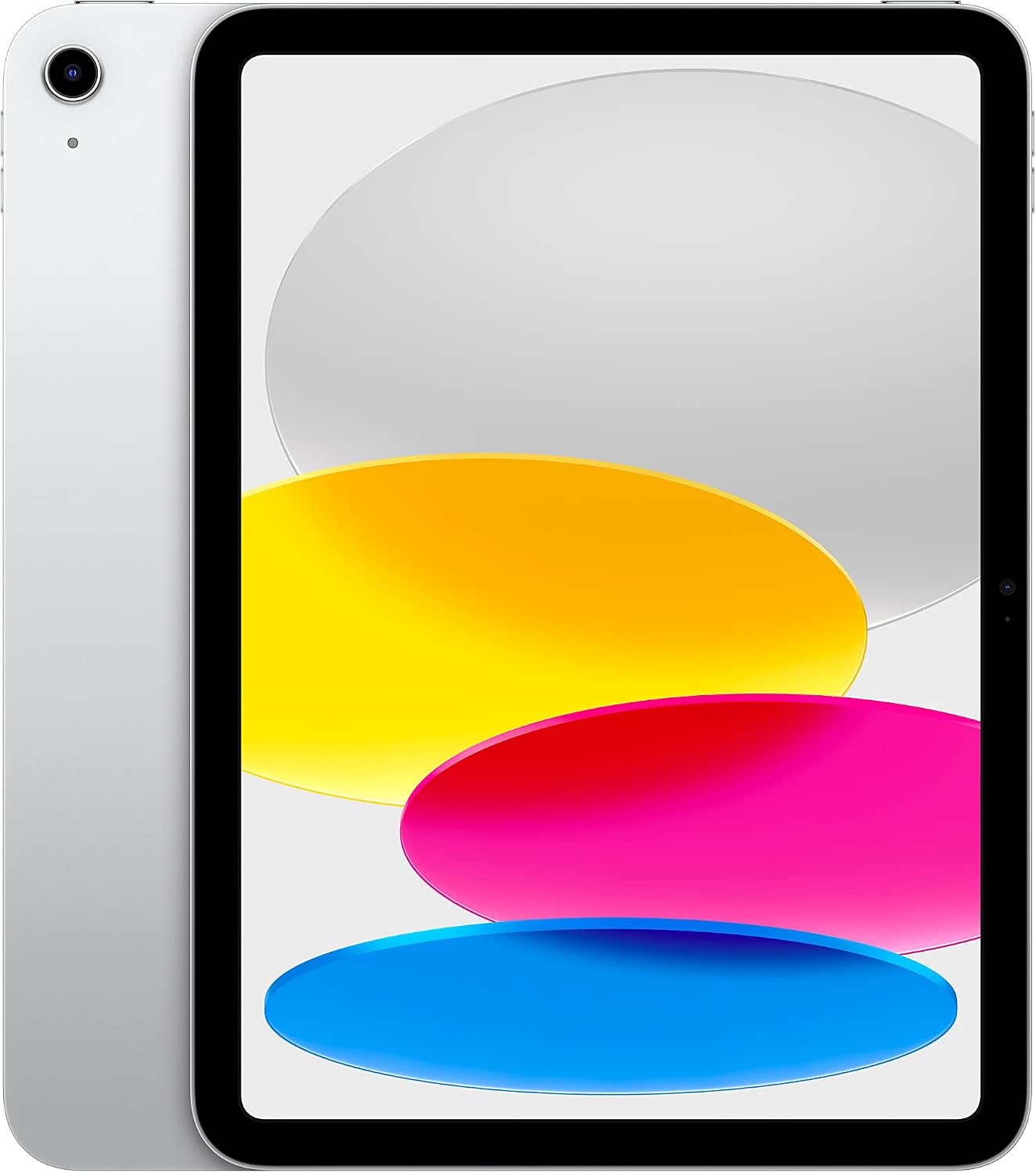
| Build | Metal/plastic hybrid, ~500g | Aluminum unibody, ~477g (1.05 lb) |
| Connectivity | Wi-Fi 5, Bluetooth 5.2, USB-C 2.0 | Wi-Fi 6, Bluetooth 5.2, USB-C 2.0 |
| Availability in 2026 | Currently sold new | Discontinued by Apple; refurbished/used only |
| Typical Price | ~$150–$250 (frequently discounted, often bundled with pen + case) | ~$255–$410 refurbished/used |
 | |

Display
The Idea Tab technically wins on paper here: a 2.5K resolution panel at 90Hz beats the iPad’s 60Hz Liquid Retina display in sharpness and scrolling smoothness. Lenovo also includes a TÜV Rheinland-certified low blue light mode, which is a nice touch for long reading sessions.
That said, Apple’s Liquid Retina panel has a reputation for excellent color calibration and True Tone support that adjusts white balance to ambient lighting — something budget Android tablets in this price range don’t typically match, even with a nominally higher resolution. If you care about video and photo color accuracy, the iPad’s smaller advantage in refresh rate is often outweighed by its display tuning.
Processor and Performance
The Dimensity 6300 in the Idea Tab is a mid-range chip built for everyday tasks — browsing, video, note-taking, light multitasking. It performs adequately but shows its limits under heavier workloads.
The A14 Bionic, even though it’s now several years old, still holds up reasonably well for iPadOS, since Apple’s silicon-and-software integration tends to age more gracefully than similarly-priced Android chips. In raw benchmark terms, the A14 generally outperforms the Dimensity 6300 in single-core tasks, though the Idea Tab’s extra RAM can help with app switching.
RAM
The Idea Tab’s 8GB of RAM doubles the iPad 10th Gen’s 4GB. This matters more on Android, where RAM management tends to be less efficient than iPadOS’s memory handling. In practice, both tablets handle basic multitasking fine, but the Idea Tab has more headroom for keeping multiple browser tabs and apps open in the background.
Storage
Both offer 64GB/128GB and 256GB tiers depending on configuration, but the Idea Tab has a real edge: microSD expansion. The iPad 10th Gen has no expandable storage, so if you buy the 64GB model and fill it with apps, photos, or offline video, you’re stuck.
Battery Life
The Idea Tab’s 7,040mAh battery is rated for up to roughly 12 hours of YouTube playback. Apple doesn’t publish an exact mAh-to-hours claim for the 10th Gen in the same terms, but it’s historically rated around 10 hours of web browsing or video playback. Real-world results depend heavily on brightness and refresh rate settings on the Lenovo side, but both tablets should comfortably get most users through a full day of moderate use.
Cameras
This is a clear win for the iPad. Its 12MP rear and 12MP Ultra Wide front camera (with Center Stage for auto-framing during video calls) are notably better than the Idea Tab’s 8MP rear and 5MP front cameras. If video calls, FaceTime, or document scanning matter to you, the iPad is the stronger tool.
Speakers
The Idea Tab’s quad-speaker setup is a genuine advantage for a tablet in this price range — it delivers fuller, more balanced audio than the iPad 10th Gen’s simpler stereo speaker pair. For media consumption without headphones, the Lenovo has the edge.
Operating System
Android 15 on the Idea Tab gives you Google’s app ecosystem, more customization, and side-loading flexibility. iPadOS 26 on the iPad 10th Gen offers a more polished, consistent interface and deeper integration with other Apple devices (Handoff, AirDrop, Universal Clipboard, iMessage).
Which is “better” here comes down to what ecosystem you’re already in — this is less about raw capability and more about which platform fits your other devices.
Software Updates
This is one of the most important — and most overlooked — differences.
Apple has a strong track record of multi-year iPadOS support; the 10th Gen is still receiving updates years after release. Lenovo’s update commitments for its budget Idea Tab line are less clearly documented; its higher-end Idea Tab Pro Gen 2 is promised two major Android version upgrades and four years of security patches, but the entry-level Idea Tab doesn’t carry the same publicly stated guarantee. If long-term software support is a priority, budget Android tablets generally lag behind iPads in this category — this is a general trend, not a Lenovo-specific criticism.
Stylus Support
Both support styluses, but the ecosystems differ. The Idea Tab is often bundled with Lenovo’s own Tab Pen at no extra cost, which is a meaningful value add for note-takers on a budget. The iPad 10th Gen supports Apple Pencil (USB-C) directly, or the 1st-generation Apple Pencil with an adapter — but you’ll likely need to buy the stylus separately, and Apple Pencil pricing isn’t cheap.
Keyboard and Accessories
Lenovo’s Folio Keyboard attaches via a 3-point pogo-pin connector, giving you a compact typing setup. Apple’s Magic Keyboard Folio is a more refined (and pricier) accessory with better key travel and a built-in stand angle adjustment. Both are sold separately from the tablet.
Build Quality
The iPad’s aluminum unibody design still feels more premium and rigid than the Idea Tab’s metal/plastic hybrid construction — this is one area where Apple’s manufacturing reputation holds up even on its entry-level model. The Idea Tab is solid for its price point but doesn’t try to compete on premium materials.
Portability
Both are close in size and weight (iPad slightly lighter at ~477g vs. Idea Tab’s ~500g), and both are comfortable for one-handed reading or two-handed typing. Neither has a meaningful portability advantage over the other.
Gaming
The A14 Bionic generally handles graphically demanding games more smoothly than the Dimensity 6300, thanks to Apple’s tighter hardware-software optimization and strong GPU performance for its class. If mobile gaming is a priority, the iPad 10th Gen is the safer bet, especially for titles optimized specifically for iOS/iPadOS.
Streaming and Netflix
Here the Idea Tab has a real case: its sharper 2.5K display and quad speakers make for a genuinely enjoyable streaming experience without headphones. The iPad’s screen is well-calibrated but lower resolution and paired with weaker stereo speakers. For binge-watching in bed or on a couch, the Lenovo has a slight edge in raw home-theater feel, though the iPad still handles Netflix, Disney+, and other apps without issue via native apps.
Note-Taking
The Idea Tab’s bundled stylus and preloaded note apps (Lenovo AI Note, Squid, Nebo, MyScript Calculator) make it a strong out-of-box note-taking package for students who don’t want to spend extra on accessories. The iPad’s ecosystem (GoodNotes, Notability) is arguably more mature and polished, but you’re paying more for the Pencil and possibly the apps themselves.
Student Use
Budget matters a lot here. The Idea Tab often comes bundled with a pen and folio case, undercutting the total cost of an equivalent iPad + Pencil + case setup significantly. For students who need a tablet mainly for reading, note-taking, and light research, the Idea Tab delivers more included value per dollar. Students already committed to Apple’s ecosystem (Notes, iCloud, Pages) may still prefer the iPad despite the higher total cost, especially if a Pencil is already owned.
Multitasking
iPadOS Split View and Slide Over are refined multitasking tools, but they’re somewhat constrained by the iPad 10th Gen’s 4GB of RAM. Android’s split-screen and floating windows on the Idea Tab benefit from double the RAM, which can mean smoother app switching in daily use, even if the multitasking UI itself is less polished than Apple’s.
Long-Term Value
This is where the ecosystem gap really shows. The iPad 10th Gen, despite being older, benefits from Apple’s longer software support runway and stronger resale value — refurbished iPads tend to hold value better than budget Android tablets over time. The Idea Tab is cheaper upfront and newer in hardware terms, but budget Android tablets typically see faster depreciation and shorter effective update windows.
Price and Value
At current pricing, the Idea Tab frequently sells for well under $200, often bundled with a stylus and case — a genuinely aggressive price for the included hardware. The iPad 10th Gen, since it’s no longer sold new by Apple, typically costs more (refurbished units running $255–$410) for older core hardware, but you’re paying for the Apple ecosystem and longer support runway, not just specs.
[Check Lenovo Idea Tab price on Amazon]
[Check iPad 10th Gen price on Amazon]
Pros and Cons
Lenovo Idea Tab
iPad 10th Generation
Who Should Buy the Lenovo Idea Tab?
Buyers who want a brand-new tablet, a sharper screen, and included accessories (stylus, case) without spending much money. It’s a strong fit for casual streaming, browsing, e-reading, and basic note-taking on a tight budget — particularly for students or families buying a secondary device.
Who Should Buy the iPad 10th Gen?
Buyers already inside the Apple ecosystem — iPhone, Mac, AirPods — who want seamless Handoff, iMessage, and FaceTime integration, and who prioritize camera quality and gaming performance over raw specs. It also makes sense for anyone who already owns an Apple Pencil or Magic Keyboard from a previous iPad and wants to reuse those accessories.
Which Is Better for Students?
The Idea Tab generally offers more value for typical student needs — note-taking apps, a bundled pen, expandable storage for downloaded materials, and a lower total cost. Students who need specific iPad-only apps or already use Apple products for school may still prefer the iPad despite the higher price.
Which Is Better for Netflix?
The Idea Tab, mainly due to its sharper display and noticeably better quad-speaker setup for watching without headphones.
Which Is Better for Gaming?
The iPad 10th Gen, thanks to the A14 Bionic’s stronger sustained performance and better optimization with iOS/iPadOS gaming titles.
Which Has Better Long-Term Value?
The iPad 10th Gen holds an edge here, primarily due to Apple’s longer software update history and stronger resale market — though this needs to be weighed against its higher up-front refurbished price and the fact that it’s no longer Apple’s current model.
FAQ
Is the iPad 10th Gen still worth buying in 2026?
It can be, especially at a steep refurbished discount, but buyers should know Apple discontinued it in March 2025 in favor of the iPad (A16). If the price gap between the two is small, the newer A16 model is generally the safer long-term choice.
Can I still buy the iPad 10th Gen new?
Not directly from Apple. It’s available through third-party retailers, refurbished programs, and resale marketplaces while supplies last.
Does the Lenovo Idea Tab support Apple Pencil?
No. The Idea Tab uses Lenovo’s own Tab Pen, which is not cross-compatible with Apple Pencil.
Which tablet has a better display for reading?
The Idea Tab’s higher resolution and TÜV low blue light certification make it a strong choice for extended reading, though the iPad’s color-accurate panel is excellent for mixed media use.
Is 4GB of RAM enough on the iPad 10th Gen?
For basic use, yes — iPadOS manages memory efficiently. Heavy multitaskers may notice more app reloading compared to the Idea Tab’s 8GB.
Does either tablet support 5G?
Some Idea Tab configurations offer 5G variants; check the specific model listing. The iPad 10th Gen offers Wi-Fi and Wi-Fi + Cellular options.
Final Verdict
There’s no universal winner here — the right choice depends heavily on what you already own and what you value most. If you want the best hardware value for the money, brand-new instead of refurbished, and don’t need Apple’s ecosystem, the Lenovo Idea Tab is the more sensible purchase in 2026. If you’re already using an iPhone or Mac, prioritize camera quality and gaming performance, and don’t mind paying more for a discontinued-but-still-supported device, the iPad 10th Gen remains a reasonable pick — though buyers with more flexible budgets should also seriously consider the current iPad (A16) before settling for the 10th Gen.
Check Lenovo Idea Tab price on Amazon
Check iPad 10th Gen price on Amazon
Related Posts
Xbox Series X vs PS5 (2026): Which Console Should You Buy?
Both consoles deliver native 4K/60fps gaming and share most multiplatform…

Sony PlayStation VR2 Horizon Call of the Mountain Bundle Review: Best VR Headset for PS5, But Know What You’re Buying Into
Sony PlayStation VR2 Horizon Call of the Mountain Bundle Review…