
Cooluli Classic 4L Mini Fridge Review

Overview
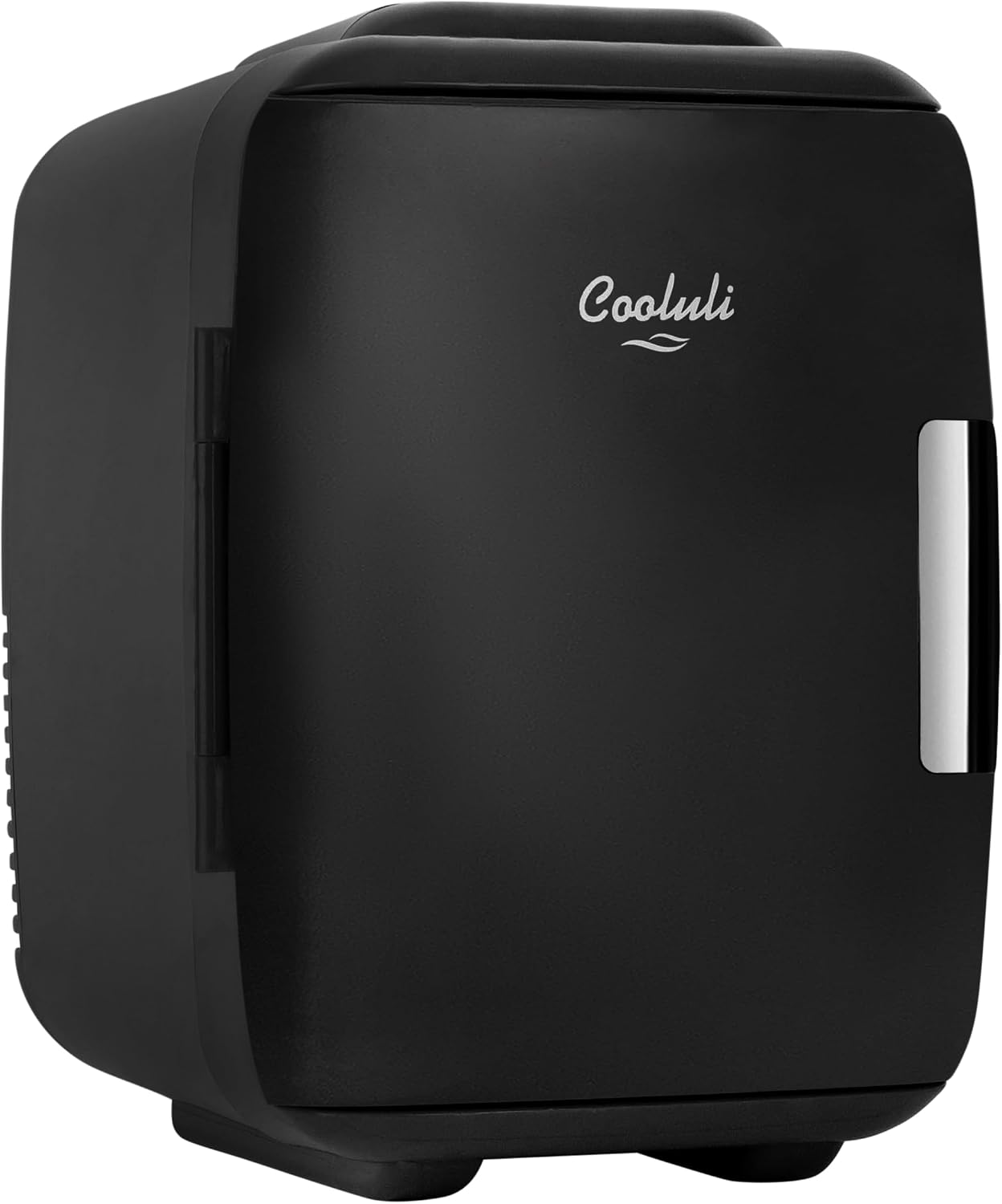
This review covers the Cooluli Classic 4-Liter Thermo-Electric Cooler/Warmer Mini Fridge, in black, with AC, 12V DC, and USB power options. It’s worth being clear about what this product actually is from a technical standpoint, since the “mini fridge” framing can create some real expectation mismatches: this is a thermoelectric cooler, not a compressor-based refrigerator like the one in your kitchen. That distinction matters enormously for what this device can and can’t do, and it’s the single most important thing to understand before buying — details below.
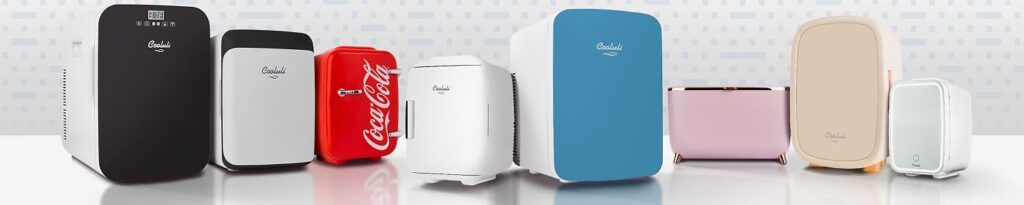
Cooluli sells this same core Classic design across multiple capacities (4L, 15L, and others) and in numerous colors and co-branded editions (including licensed Coca-Cola designs); this review reflects the 4-liter, 6-can capacity version specifically listed under this ASIN.
How Thermoelectric Cooling Actually Works (And Why It Matters)
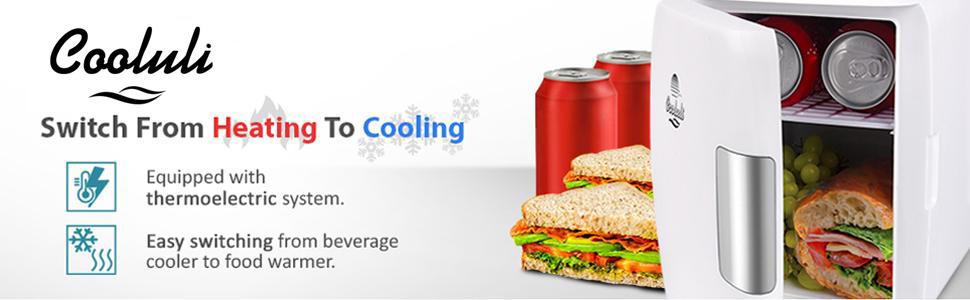
This is genuinely the most important context for a fair review, and it’s often glossed over in marketing. Thermoelectric coolers use a semiconductor plate (a Peltier element) with a fan to move heat, rather than the compressor and refrigerant loop used in traditional refrigerators. This makes them lightweight, quiet, and energy-efficient — genuine, real advantages — but it also means they can only cool to a certain temperature differential below the surrounding room temperature, commonly cited at around 30-45°F below ambient, rather than reaching a fixed cold temperature regardless of conditions. Cooluli’s own customer support confirms the unit’s fan runs constantly (there’s no compressor cycling on and off) and that, at best, the interior reaches around 40-45°F under favorable conditions.
The practical implication, confirmed repeatedly across independent troubleshooting guides and user reports, is that this fridge will not get meaningfully cold in a warm room. If your bedroom, dorm, or office runs warm, expect your drinks or skincare products to end up merely “cool,” not genuinely cold — a distinction several frustrated buyers specifically flagged in complaints. This isn’t a defect when it happens; it’s an inherent physical limitation of the underlying technology, and it’s worth internalizing that expectation before purchase, since a meaningful share of negative reviews for this product category stem from this exact, predictable limitation rather than genuine malfunctions.
Skincare and Beauty Use: The Product’s Actual Strength
Within that context, this is where the Cooluli Classic 4L genuinely delivers on its intended purpose. For skincare products, the moderate, consistent cooling (typically landing in the mid-40s to low-50s°F under normal room conditions) is exactly the range recommended for extending the shelf life of serums, sheet masks, and certain skincare formulations — you don’t need freezer-level cold for this purpose, and several reviewers specifically praise the fridge for this exact use case. Reviewers on Home Depot’s retail listing for related Cooluli Classic models describe it as reliably cold enough for its intended purpose of storing medications, skincare, and cold drinks in a bedroom or small space, with several specifically praising it for keeping diabetic medication or patient medications conveniently accessible without needing a trip to the kitchen fridge.

A Real, Documented Reliability Pattern
This deserves honest, direct treatment rather than being minimized, because it shows up consistently enough across independent sources to be a genuine pattern rather than isolated bad luck. Multiple user reports — including a documented complaint on Amazon’s own Q&A section describing a unit that stopped cooling after four months with no response from the company on warranty support — describe units failing to cool properly after a period of months, often traced to frost or ice buildup on the internal coils blocking proper airflow. iFixit maintains a dedicated repair guide specifically for this exact model (the Cooluli Classic-4L) addressing this precise failure mode, which is itself telling: a common enough problem to warrant a manufacturer-agnostic repair community developing a standardized fix. A broader review aggregator estimates a realistic lifespan of around 2-4 years with proper care — notably shorter than a traditional compressor-based mini fridge, which is a fair, inherent trade-off of the thermoelectric design’s simplicity and lower price, but worth knowing rather than assuming this is a decades-long appliance.
The practical, repeatable fix reported across multiple sources is straightforward: unplug the unit, remove the contents, and let any accumulated frost or ice fully defrost and dry before restarting — a maintenance step this category of cooler benefits from doing periodically, similar to defrosting an old freezer, rather than a one-time issue.

Noise and Everyday Use
This is a genuine strength for a bedroom or office setting. Reviewers consistently describe the constant, low-level fan hum as generally unobtrusive during the day but potentially noticeable at night in a quiet bedroom for light sleepers — a fair, minor trade-off most users seem to accept given the alternative (a compressor-based fridge) would typically be louder, if intermittently so, rather than quieter overall.
Design and Practicality
The compact 4-liter capacity (about 6 cans), lightweight build, AC/DC/USB power flexibility, and a switch to flip between cooling and warming modes are all genuine, practical strengths for the product’s intended niche — bedside use, dorm rooms, car trips, or a vanity setup. The included interior shelving and molded carry handle add real, if modest, convenience.
How It Compares
Within its own category, Cooluli is a well-established, popular name specifically in the thermoelectric skincare-fridge space, competing against similar offerings from brands like AstroAI. The fundamental trade-off across this entire product category, not unique to Cooluli, is the same: thermoelectric coolers are lighter, quieter, and cheaper than compressor mini fridges, but genuinely can’t achieve the same reliable cold temperatures, especially in warm environments, and tend to have a shorter practical lifespan. If your priority is keeping food or drinks genuinely cold regardless of room temperature, a small compressor-based mini fridge, while heavier, louder, and pricier, will perform more consistently. If your priority is a quiet, lightweight, affordable solution specifically for skincare, medication, or moderately-cool drink storage in a controlled indoor environment, the Cooluli’s trade-offs are reasonable and well-matched to that use case.
Pros and Cons
Verdict
The Cooluli Classic 4L is a genuinely good fit for exactly one job: quiet, lightweight, moderate cooling for skincare products, medications, or drinks in a controlled indoor environment — and for that specific purpose, it delivers real, practical value at an affordable price. Where buyers run into trouble is almost always a mismatch between expectations and what thermoelectric cooling technology can physically do: it will not get icy-cold, especially in a warm room, and it’s not a substitute for a real refrigerator if you need reliably cold food storage. There’s also a documented, real pattern of units losing cooling performance after several months, often fixable with a simple defrost but occasionally requiring a warranty claim that hasn’t always gone smoothly for every buyer. If you understand and accept these trade-offs and your use case matches what this fridge is actually built for, it’s a sensible, well-reviewed pick. If you’re hoping for reliable, refrigerator-level cold in a warm room, this isn’t the right tool for that job.
Related Posts

Google Pixel 10 Pro XL Review — The Smartest Camera Phone of 2026?
The Google Pixel 10 Pro XL continues Google’s strategy of…
Chefman 0.7 Cu. Ft. Countertop Microwave Review (2026): Best Compact Budget Pick?
Small footprint, solid feature set, and a price well under…
Samsung Essential S3 27″ Curved Monitor Review: Budget Immersion Done Right
Review The Essential S3 is Samsung's budget-friendly curved monitor aimed…
