PlayStation DualSense Wireless Controller Review

Overview
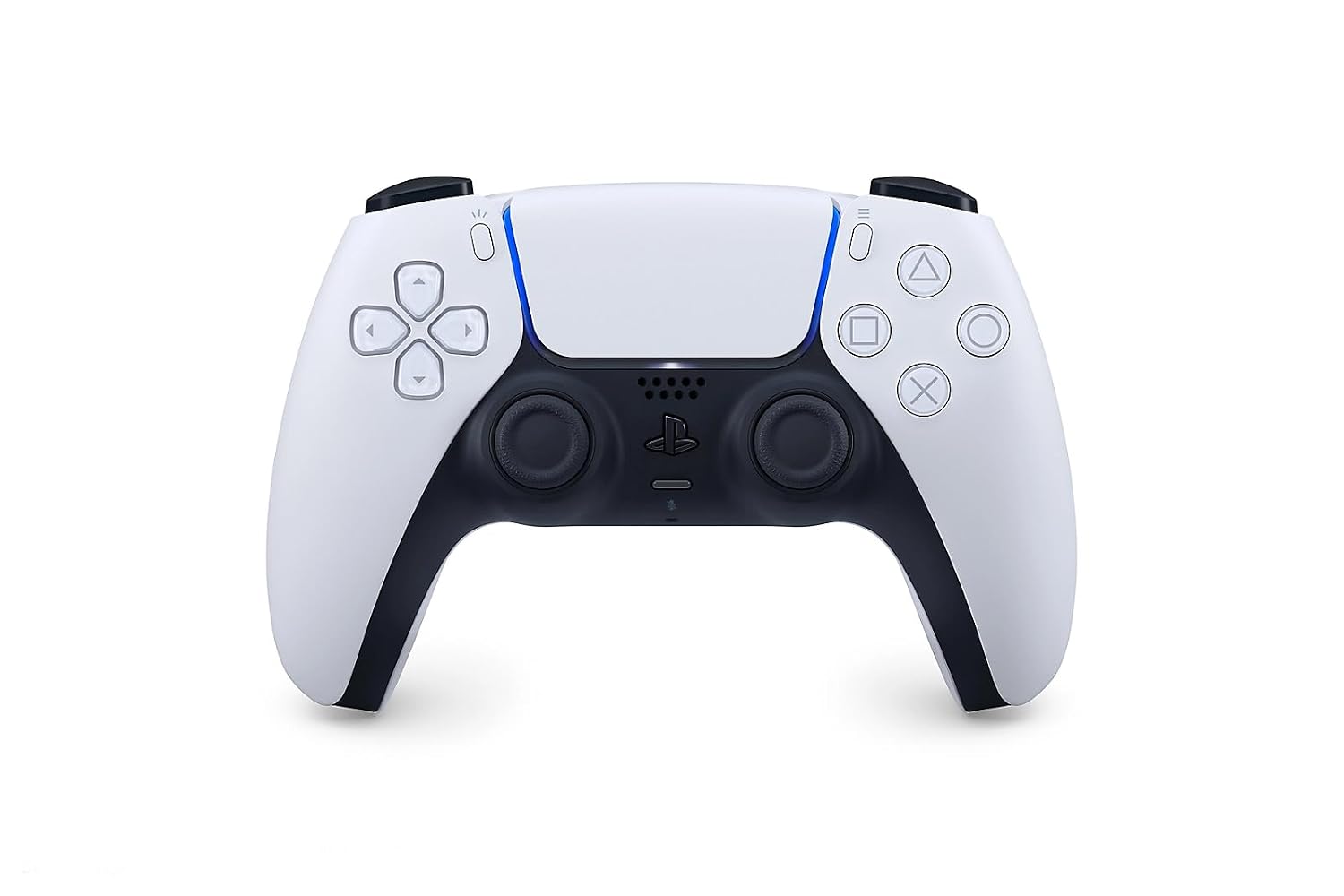
This review covers the standard Sony DualSense Wireless Controller for PlayStation 5, in the Remix Green color variant listed under this ASIN. It’s worth being clear about which controller this is: this is the standard DualSense, not the premium DualSense Edge, which adds swappable stick modules, back paddles, and adjustable trigger stops at a significantly higher price. The core hardware and feature set — haptic feedback, adaptive triggers, a built-in microphone array, a mono speaker, a 3.5mm headset jack, and a capacitive touchpad — is identical across every DualSense color option; you’re purchasing a cosmetic variant, not a different feature tier.
The controller connects via Bluetooth 5.1 or a USB-C cable, which also charges its built-in 1,560mAh lithium-ion battery, and works with PS5, PC, Mac, and select mobile devices.
Haptic Feedback and Adaptive Triggers: Still Genuinely Impressive
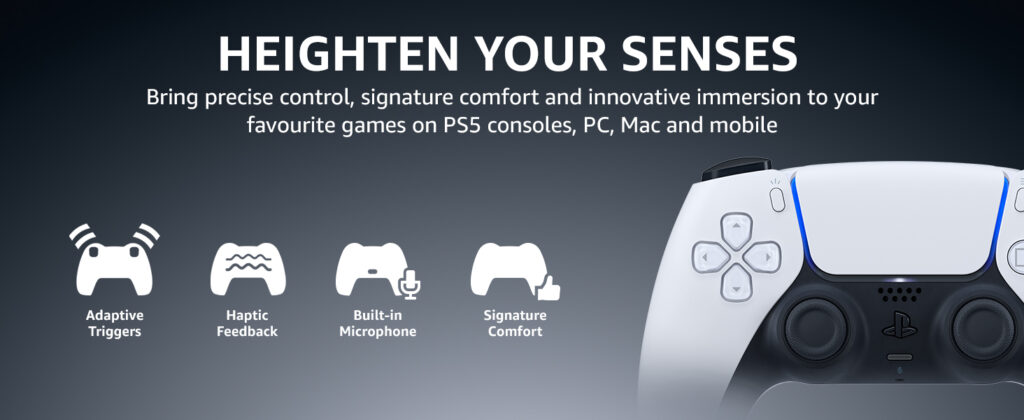
This is where the DualSense earns its reputation, and years after launch, this remains the most consistently praised aspect of the controller across professional and consumer reviews alike. The dual actuators that replace traditional rumble motors deliver notably precise, varied feedback — you can genuinely feel distinct sensations for different surfaces, weapon recoil, or environmental effects in supported games, a real step up from the more generic buzzing of previous-generation controllers. The adaptive triggers add dynamic resistance that changes based on in-game context — think drawing a bowstring back with increasing tension, or feeling a car’s brakes engage — and in games that implement these features well, reviewers and players consistently describe it as a genuinely immersive, novel layer that’s hard to go back from once you’re used to it.
The built-in microphone array with a dedicated mute button, plus a 3.5mm headset jack for external audio, round out a genuinely well-thought-out package for voice chat and audio flexibility.
The Real, Documented Problem: Stick Drift
This is the most important thing an honest review of this controller needs to address directly, because it’s not a fringe complaint — it’s a well-documented, years-long, ongoing issue that potential buyers deserve to know about clearly before purchasing. Stick drift — where the controller registers unintended input from the analog sticks, causing camera or character movement without you touching anything — was identified within months of the DualSense’s original November 2020 launch, and led to a class-action lawsuit filed against Sony in February 2021, along with formal consumer advocacy investigations opened in France, Belgium, and Switzerland.
What makes this genuinely relevant for a 2026 buyer specifically, rather than old news: independent controller repair specialists report that as of mid-2026, Sony has still not changed the underlying component — every current DualSense, including units for the PS5 Slim and PS5 Pro, uses the same ALPS potentiometer-based analog stick design that’s been the subject of complaints since launch. iFixit’s technical analysis, based on manufacturer specifications for the ALPS potentiometers, estimated the sticks’ expected operational life at around 417 hours of demanding gameplay before drift risk increases significantly — meaning a player using their console for around two hours a day could statistically approach that threshold within roughly seven months, though actual wear varies significantly by game and individual unit. More recent community-sourced data collected in 2026 puts the median onset of noticeable drift at around 6 months for daily players, with PC/PS5 dual-use players seeing accelerated wear due to longer average sessions.
It’s worth being fair and precise here: analog stick wear is a real phenomenon across essentially all modern gaming controllers, including Xbox and Nintendo Switch Joy-Cons, which have faced their own drift-related complaints and lawsuits. Sony is not uniquely bad in an absolute sense. But the frequency and duration of DualSense-specific complaints, the ongoing lawsuit history, and the fact that contactless alternatives (Hall Effect or TMR sensors, which don’t suffer from the same physical wear mechanism) exist and are already used by several third-party controller makers, make this a legitimate, informed concern rather than a fringe complaint — and it’s a real factor worth weighing before you buy, particularly if you play daily or for extended sessions.

Battery Life
This is worth setting honest expectations around. Sony has never published an official battery life figure for the DualSense, and real-world battery life varies substantially depending on how much you’re using the haptics, adaptive triggers, and light bar — features that are genuinely power-hungry when actively engaged by a game. Realistically, expect somewhere in the range of a few hours up to most of a gaming session on a full charge, rather than the multi-day battery life some older, simpler controllers offered. If you play for extended sessions, having the USB-C cable handy or a charging dock is a practical near-necessity rather than a rare backup plan.
Design and Comfort
The DualSense’s evolved two-tone design and reworked grip shape have been well-received since launch, and that holds up in current buyer feedback: Best Buy’s aggregated customer sentiment specifically highlights the comfortable, ergonomic feel and attractive color options as consistent strengths. The touchpad, share button, and PS button round out an intuitive, well-laid-out control scheme that most reviewers and players find comfortable across extended sessions.

How It Compares
Within Sony’s own lineup, the honest comparison is against the DualSense Edge, which addresses some of the standard DualSense’s limitations with swappable, higher-quality stick modules specifically designed to be more easily replaceable when they eventually wear — at a substantially higher price that positions it as a premium, competitive-focused option rather than a default recommendation. Outside Sony’s ecosystem, several third-party controller makers now offer Hall Effect or TMR analog sticks specifically marketed around eliminating the drift wear mechanism entirely — worth considering if long-term stick durability is your top priority and you’re not tied to first-party PlayStation hardware.

Pros and Cons
Verdict
The DualSense remains, in many respects, one of the most genuinely innovative console controllers on the market — its haptic feedback and adaptive triggers are real, meaningfully implemented features that continue to set it apart, and its comfort and design hold up well years after launch. The honest, necessary caveat is the stick drift issue: this isn’t a rumor or an isolated complaint, but a well-documented, years-long pattern backed by an active lawsuit, independent technical analysis, and a component Sony has not changed since the controller’s original 2020 release. That doesn’t mean every unit will develop drift, and analog stick wear is a reality across the industry, not unique to Sony — but it’s a real, relevant risk that daily or heavy players in particular should go in aware of. If you’re a PS5 owner needing a standard or replacement controller, this remains a well-reviewed, genuinely capable choice, and most players get significant time out of a unit before any issues appear. If controller longevity is your top priority, especially for heavy daily use, it’s worth researching the DualSense Edge or a reputable third-party Hall Effect controller as alternatives.


Related Posts
Tikom G8000 Max Review: A Budget Robot Vacuum That Covers the Basics Well
Overview The Tikom G8000 Max is a budget-friendly 2-in-1 robot…
Steam Deck OLED (1TB) Review: Still the Best Handheld Gaming PC, But Read the Price Tag Carefully
Steam Deck OLED (1TB) Review This is Valve's Steam Deck…

Best Car Cleaning Products: Ultimate Detailing Guide (2026)
Discover the best car cleaning and detailing products on Amazon.com…
