The Trump administration has launched a major investigation into the US meat industry after beef prices reached record highs and concerns intensified over market concentration among the country’s largest meat processing companies.
Federal regulators are examining whether dominant corporations — including JBS, Tyson Foods, Cargill, and National Beef — have contributed to rising meat prices through excessive market control and potential anti-competitive practices. (clickpetroleoegas.com.br)
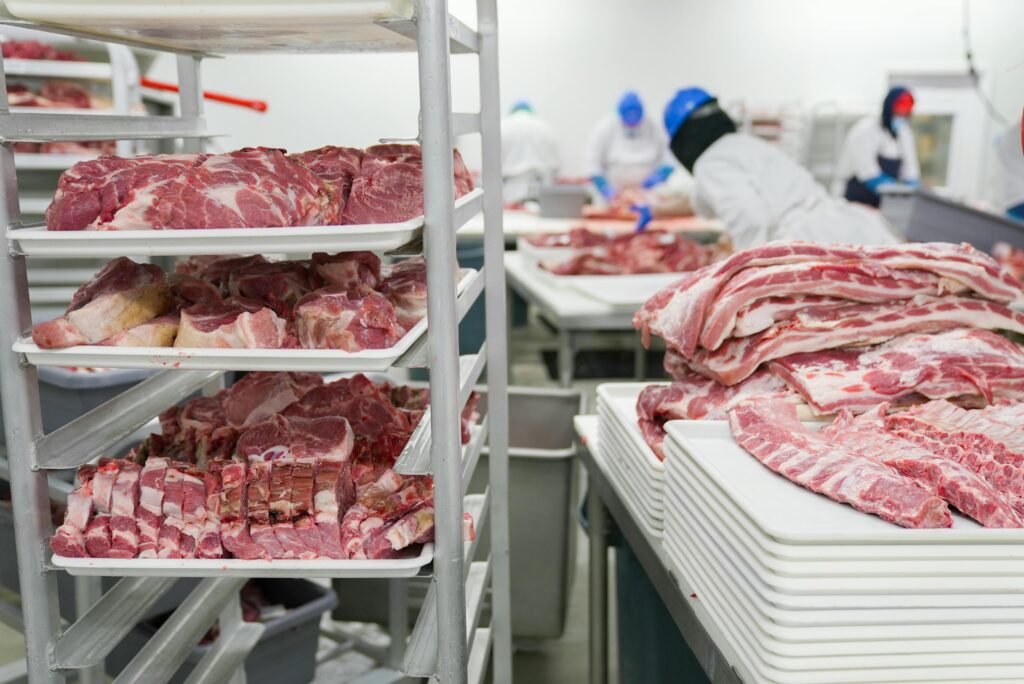
Four Giants Dominate the Beef Industry
According to industry estimates, the four largest meat processors now control roughly 85% of US beef processing capacity, sparking criticism from ranchers, lawmakers, and consumer groups.
Critics argue that this level of consolidation has reduced competition, pressured independent cattle producers, and contributed to higher prices for consumers at supermarkets and restaurants.
The investigation will reportedly focus on pricing practices, supply chain behavior, and potential violations of antitrust regulations. (reuters.com)
Why Beef Prices Are Rising
Several factors are driving meat prices upward:
- lower cattle supply,
- drought conditions,
- higher feed costs,
- transportation expenses,
- and global geopolitical instability affecting commodities markets.
However, some policymakers believe market dominance by a small number of corporations may also be amplifying price increases beyond normal supply pressures.
Food inflation has become an increasingly sensitive political issue ahead of the US election cycle.
Brazilian Meat Companies Under Scrutiny
The investigation also places additional attention on Brazilian meat giant JBS, one of the world’s largest protein producers with massive operations in the United States.
Some American political groups have criticized foreign influence in critical food supply sectors, arguing that national food security should receive greater protection.
Despite the political rhetoric, analysts note that the US beef market relies heavily on global trade and multinational food companies. (reuters.com)
Potential Industry Impact
If regulators determine anti-competitive practices occurred, the investigation could lead to:
- large financial penalties,
- stricter industry regulation,
- antitrust lawsuits,
- or structural reforms in the meat processing sector.
Investors are now closely watching the shares of major food companies as uncertainty grows around future government intervention.
What This Means for Consumers
For consumers, the biggest concern remains food inflation.
Beef prices in the US have climbed significantly over the past year, affecting grocery bills and restaurant costs nationwide. Analysts warn that prices could remain elevated if cattle supply shortages continue through 2026.
The outcome of the investigation may also influence future trade policies involving imported meat products and international food suppliers.
Related Posts

New York Police Tightens Security After Shooting Incident at Trump Dinner
Authorities in New York have increased security measures following the…

Legal Clash Between Elon Musk and OpenAI Escalates as Attorneys Challenge Executive Testimony
The ongoing legal dispute involving Elon Musk and OpenAI intensified…

Principia Creme Hidratante Facial: Vale a Pena em 2026?
Um hidratante nacional com fórmula de dermocosmético, ingredientes ativos transparentes…
