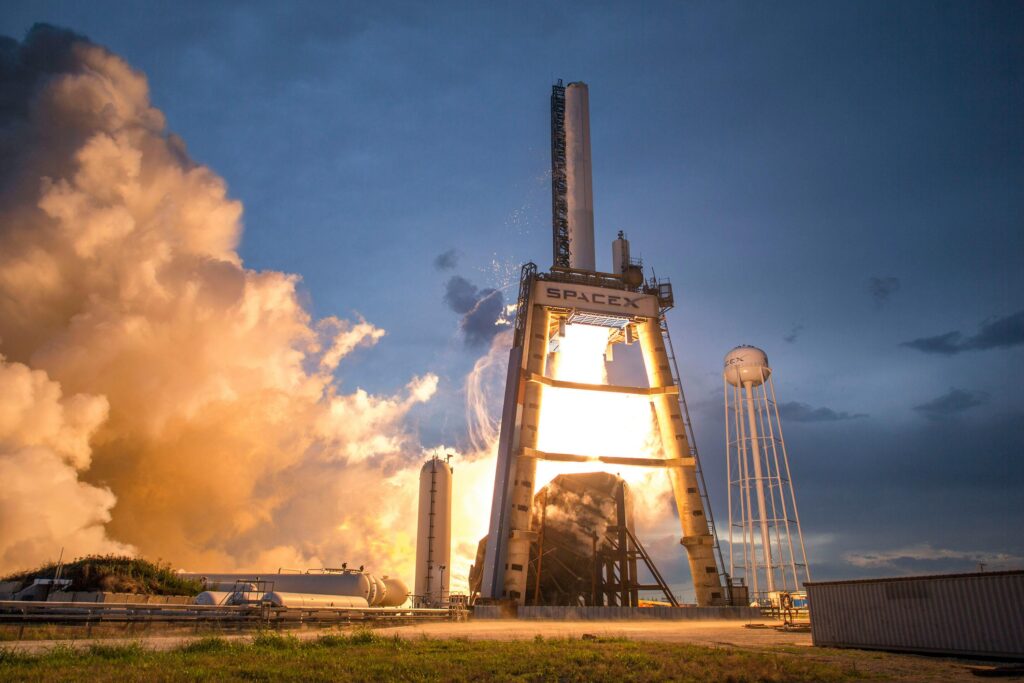
The topic has returned to global attention after growing speculation that a future SpaceX IPO could help Elon Musk become the world’s first trillionaire.
In simple terms, an IPO transforms a privately held company into a publicly traded corporation listed on stock exchanges such as:
- Nasdaq,
- NYSE,
- or other global markets.
Companies usually pursue IPOs to:
- raise billions in capital,
- expand operations,
- pay debts,
- fund innovation,
- and increase market visibility.
During the IPO process, investment banks help determine:
- the company’s valuation,
- the initial stock price,
- and the number of shares that will be offered to investors.
Once shares begin trading publicly, the company’s market value can rise dramatically depending on:
- investor demand,
- revenue growth,
- future expectations,
- and market sentiment.
That is exactly why analysts believe a future IPO involving SpaceX could massively increase Elon Musk’s fortune. Reports suggest SpaceX could potentially reach valuations between:
- US$ 1.5 trillion,
- and US$ 2 trillion.
If those projections materialize, Musk’s ownership stake in SpaceX combined with his positions in:
- Tesla,
- X,
- Starlink,
- and AI ventures
could push his net worth beyond US$ 1 trillion.
Financial analysts note that IPOs can create enormous wealth because founders often maintain significant ownership percentages before shares become publicly traded.
The SpaceX IPO has generated exceptional market attention because the company dominates several strategic sectors including:
- private space launches,
- satellite internet,
- artificial intelligence,
- defense contracts,
- and future space infrastructure.
According to market observers, SpaceX’s public debut could become one of the largest IPOs in financial history, potentially surpassing previous record-breaking offerings.
At the same time, some investors and analysts warn that extremely high valuations may involve:
- speculative expectations,
- aggressive growth forecasts,
- and long-term market risks. Community discussions online have also questioned whether trillion-dollar valuations are sustainable.
Beyond Musk, researchers and financial studies have identified several other billionaires who could eventually approach trillionaire status due to rapid wealth growth tied to technology and global markets.
The growing debate surrounding IPOs, billionaire wealth, and companies like SpaceX highlights how modern financial markets increasingly reward:
- innovation,
- artificial intelligence,
- space technology,
- and large-scale digital ecosystems.
As investors continue monitoring potential SpaceX listing plans, many analysts believe the company’s IPO could become one of the defining financial events of the decade.
Related Posts

Google Prepares Biggest Search Bar Transformation in Years With Advanced AI Features
Google is reportedly preparing one of the biggest transformations to…

Why X Is Moving Away From Aggregators and Reposts — And What AI Has to Do With It
The shift happening on platforms like X (formerly Twitter) isn’t…

Xi Jinping’s “Divided Heart”: How China’s Leader Lost Faith in His Generals — and What It Means for the World
A military purge that began as an anti-corruption campaign has…
