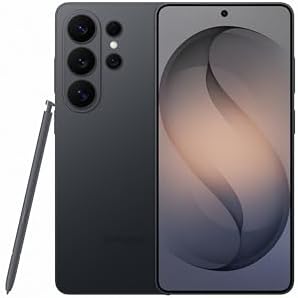
- PRIVACY DISPLAY: Automatically hide your screen from those beside you. The built-in privacy display can be preset¹ to tu…
- TYPE IT IN. TRANSFORM IT FAST: Enhance any shot in seconds on your smartphone by using Photo Assist² with Galaxy AI.³ Ad…
- NIGHTS, CAPTURED CLEARLY: From gigs to city lights, record and capture moments after dark with clarity using Nightograph…

Samsung Galaxy S26 Ultra Review
The Galaxy S26 Ultra is Samsung’s current flagship, launched in March 2026, and this listing covers the unlocked 512GB configuration in Black. It ships with a Qualcomm Snapdragon 8 Elite Gen 5 chipset, a redesigned camera system, the S Pen included in the box, and Samsung’s new headline feature: a hardware-level Privacy Display that can black out the screen when viewed from an angle. Professional reviews have been largely glowing — but a meaningful, well-documented set of real-world complaints has emerged since launch that’s worth weighing seriously alongside the praise.
What critics love
The critical consensus is remarkably positive. TechRadar’s review called it by far Samsung’s best Galaxy S phone yet, praising the design, power, AI features, and creative capabilities, and specifically noted Samsung managed this without raising the Ultra’s price. Tom’s Guide gave it an Editor’s Choice award, highlighting the Privacy Display as genuinely innovative and useful, strong battery life, improved low-light camera performance, and faster charging that finally brings Samsung in line with competitors. Tech Advisor praised the display quality and speaker performance as among the best on any phone, and GSMArena’s comparison found the S26 Ultra beating the iPhone 17 Pro Max and Google Pixel 10 Pro XL specifically on charging speed, chipset performance, and battery endurance.
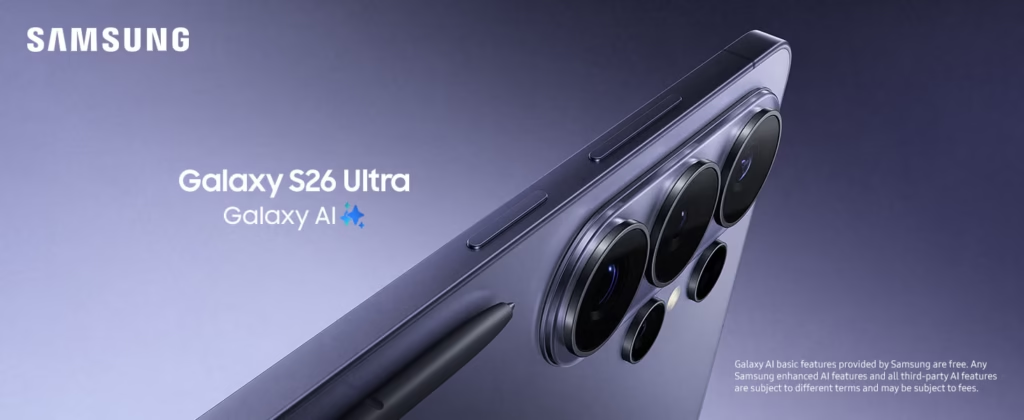
The headline feature has a real downside for some users
The Privacy Display — which narrows the effective viewing angle so people beside you can’t read your screen — is the phone’s most talked-about feature, and reviewer opinion on it is more divided than the glowing overall scores suggest. Tom’s Guide and 91mobiles both called it genuinely useful, but multiple sources report the same underlying complaint: when the feature isn’t actively switched on, the special pixel structure that enables it still narrows viewing angles and slightly degrades color accuracy compared to previous Ultra models, all the time, whether you use the feature or not. One detailed post-launch review described this bluntly as making a “big beautiful AMOLED screen worse 24/7” for a feature most people won’t use constantly.
More seriously, reports gathered from owner and reviewer feedback describe eye strain, fuzzy text, headaches, and even nausea for a segment of users — an issue that several accounts trace to how the underlying panel technology renders content, and one that multiple well-known tech reviewers flagged as a genuine concern in their coverage. Samsung has acknowledged some brightness variation tied to the feature but describes the impact as negligible. If you’re sensitive to display flicker or unusual pixel structures, this is worth testing in person before committing, ideally within a return window.
A real materials trade-off: titanium is gone
This is a concrete, verifiable downgrade rather than a subjective complaint: Samsung switched the S26 Ultra’s frame from titanium (used on the S25 Ultra and several previous generations) to aluminum. That’s a meaningful change in scratch resistance and rigidity, not just a marketing footnote, and it’s drawn consistent criticism from owners and reviewers comparing the two generations directly. If durability and premium material feel were part of why you liked previous Ultra models, know that this generation is a step back specifically in that regard.
Camera bump and in-hand feel
Nearly every reviewer, positive or critical, raises the same physical complaint: the rear camera module is noticeably larger this generation. Tom’s Guide called it “ginormous” even in an Editor’s Choice review, and multiple sources note it makes the phone wobble when set flat on a table and can make cases fit less securely. This is a consistent, near-universal observation rather than an isolated gripe.
Incremental generational gains, and some real owner frustration
Several long-term Samsung owners posting detailed comparisons describe the upgrade from recent Ultra models as smaller than past generational leaps. One detailed owner review, upgrading from an S24 Ultra, said the CPU, screen, battery, and camera all improved less than they had in previous two-year upgrade cycles, and was specifically disappointed that the display wasn’t the 10-bit panel originally rumored. That same review suggested the jump isn’t compelling enough to justify upgrading from an S23 Ultra or newer unless you’re already having problems with your current phone.
Separately, a subset of owners report real functional issues after launch: some describe the device overheating during charging or even during moderately demanding tasks like using the camera or watching video, and some describe the battery not lasting as long as expected despite the phone’s larger form factor. Early units also reportedly shipped with a bug affecting 3x zoom and some display flickering, both of which appear to have been addressed via software updates according to post-launch tracking, along with a reported condensation issue specific to shooting in freezing temperatures. None of these issues appear universal, but they’re documented well enough, and recently enough, that it’s worth checking for the latest software update immediately after setup and monitoring your unit’s behavior during your return window.
Pricing
The Ultra held its price at $1,299 for the base 256GB model, with the 512GB configuration (as in this listing) at $1,499 and a 1TB option at $1,799. Tom’s Guide noted Samsung avoided the $100 price increase that hit the standard S26 and S26 Plus models this generation — a genuine point in the Ultra’s favor, though it’s still a significant investment at any tier, and one reviewer noted rising component costs tied to the broader 2026 memory shortage are part of why flagship pricing across the industry has been under upward pressure.
Verdict
The Galaxy S26 Ultra earns its critical acclaim in the areas that matter most day to day: cameras, display quality, battery life, and charging speed all genuinely compete with or beat the best phones on the market, and Samsung deserves credit for holding the line on Ultra pricing this generation. But this is also a phone with real, documented rough edges that go beyond ordinary nitpicking — a titanium-to-aluminum downgrade that affects durability, a headline Privacy Display feature that’s caused genuine discomfort for a meaningful number of users even when switched off, and enough scattered reports of overheating and battery concerns to warrant caution rather than dismissal. If you’re upgrading from an S23 Ultra or older, the jump in real-world capability is significant and the purchase is easy to recommend. If you already own an S24 or S25 Ultra, several owners and reviewers suggest the generational gain may not justify the cost unless your current phone has real problems. Either way, test the Privacy Display and the phone’s viewing angles in person if you can, and make sure your unit is fully updated before you’re past your return window.
- PRIVACY DISPLAY: Automatically hide your screen from those beside you. The built-in privacy display can be preset¹ to tu…
- TYPE IT IN. TRANSFORM IT FAST: Enhance any shot in seconds on your smartphone by using Photo Assist² with Galaxy AI.³ Ad…
- NIGHTS, CAPTURED CLEARLY: From gigs to city lights, record and capture moments after dark with clarity using Nightograph…




Related Posts
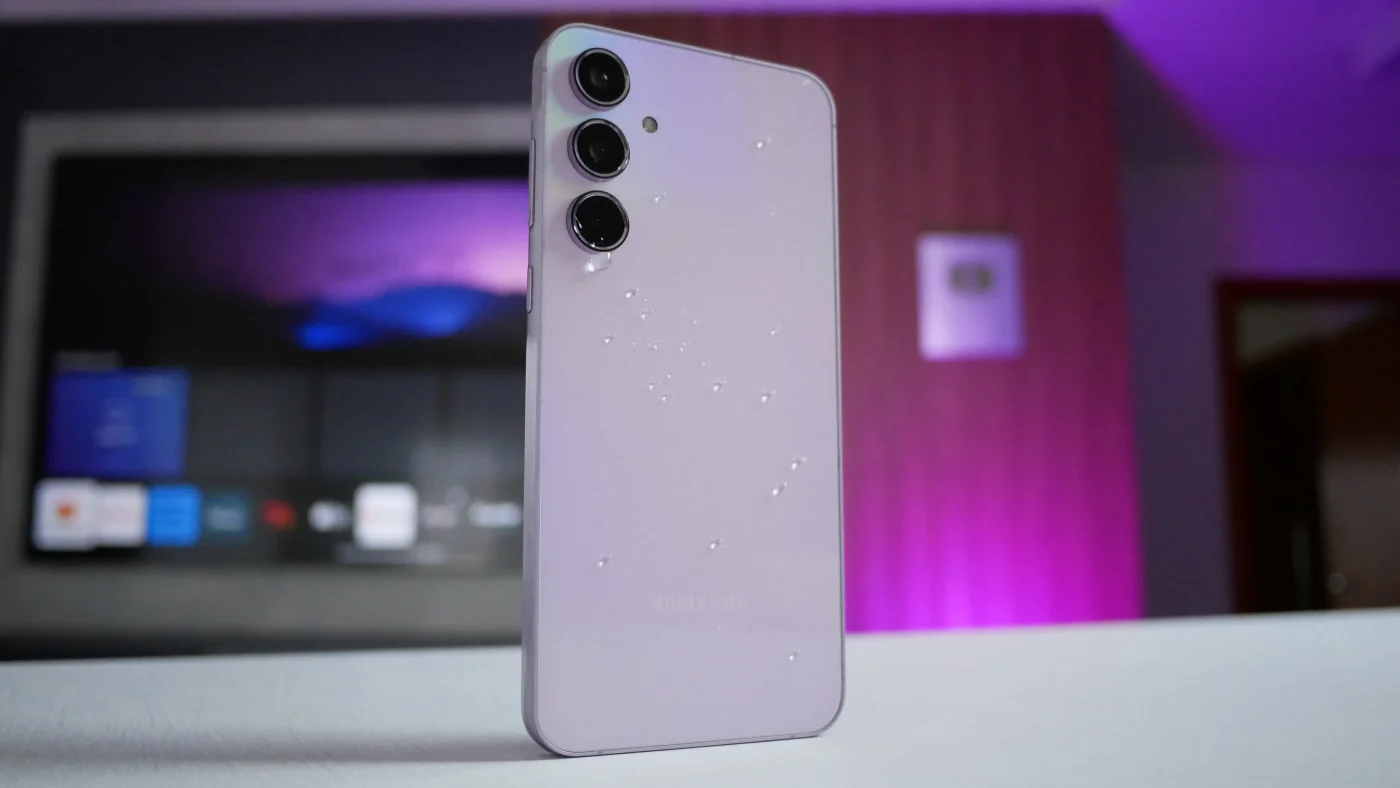
Samsung Galaxy A56 5G – The World’s Best-Selling Smartphone (2025)
In 2025, one smartphone stood out above all others in…
Apple Leads Global Smartphone Sales as iPhone 17 Line Dominates Market
Apple is currently the world’s top-selling smartphone brand, according to…
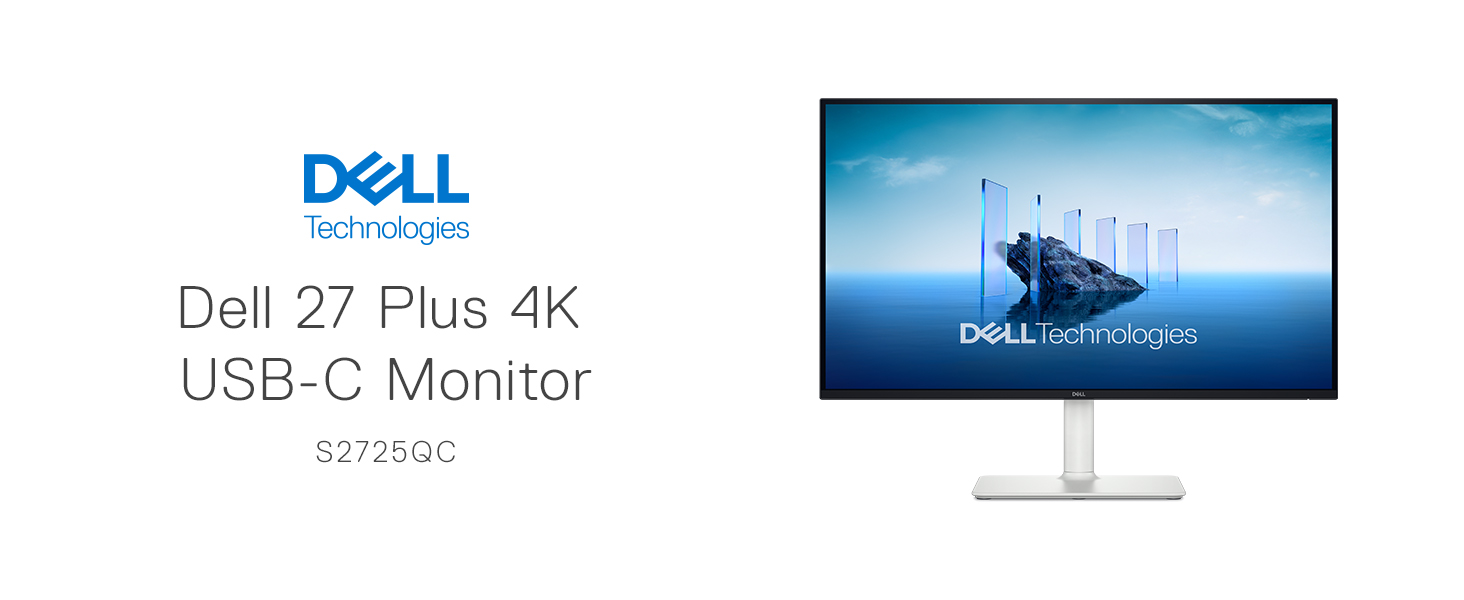
Dell 27 Plus 4K Monitor (S2725QC) Review: 4K, 120Hz, and USB-C Power Delivery in One Cable
Overview The Dell 27 Monitor S2725QC is a 27-inch 4K…
