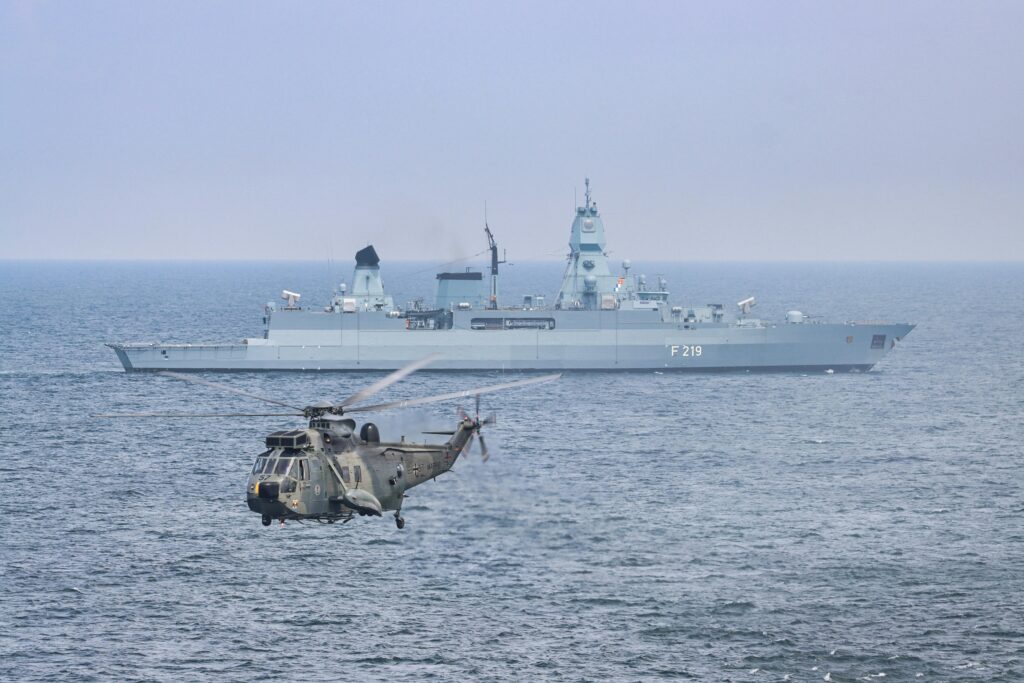
NATO is reportedly evaluating a possible international mission in the Strait of Hormuz as concerns grow over disruptions to one of the world’s most critical energy shipping routes.
According to military and diplomatic sources, alliance officials are discussing potential operations designed to:
- protect commercial vessels,
- secure oil transportation,
- maintain maritime stability,
- and prevent further disruptions in global energy markets.
The Strait of Hormuz remains one of the most strategically important waterways in the world because roughly 20% of global oil supplies transit through the region.
Recent tensions involving Iran, military operations in the Middle East, and threats to commercial shipping have intensified international pressure for coordinated naval security efforts.
NATO officials emphasized that any formal mission would ultimately require political approval from alliance member governments rather than purely military authorization.
Military analysts say potential operations could involve:
- naval escorts,
- aerial surveillance,
- intelligence sharing,
- anti-drone protection,
- and maritime patrol coordination.
Several countries including:
- the United Kingdom,
- France,
- Canada,
- and Nordic allies
have already discussed broader international cooperation involving maritime security in the region.
The situation has become increasingly important for global financial markets because instability in the Strait of Hormuz directly affects:
- oil prices,
- shipping insurance costs,
- global inflation,
- fuel markets,
- and international trade routes.
Energy experts warn that prolonged disruptions in the region could significantly impact:
- crude oil exports,
- liquefied natural gas shipments,
- and supply chains across Europe and Asia.
Meanwhile, diplomatic negotiations involving multiple countries continue attempting to reduce regional tensions and avoid wider military escalation.
International observers believe any NATO-backed operation would likely focus on defensive maritime protection rather than direct combat involvement, aiming to restore confidence in global shipping routes while preventing further economic instability.
The growing discussions around Hormuz security highlight how geopolitical conflicts increasingly influence:
- energy markets,
- military alliances,
- global trade,
- and worldwide economic stability.
Related Posts

Disney vs DeSantis: How a Political Battle Delayed Years of Theme Park Expansion
A behind-the-scenes legal fight between Disney and Florida Governor Ron…
US Missile Stockpiles Depleted After Iran Conflict, Report Says
Photo: EFE/Mehrnews The United States has reportedly seen a significant…

Claude Mythos, Anthropic’s “dangerous” AI, was accessed by unauthorized individuals
The group took advantage of permissions from a third-party contractor…
