Washington issued a statement of concern over Bolivia’s government response to nationwide protests that have paralyzed the country for weeks — as President Luis Arce faces an impeachment process in Congress, fuel and dollar shortages deepen, and tensions with Evo Morales’s political faction intensify ahead of elections.
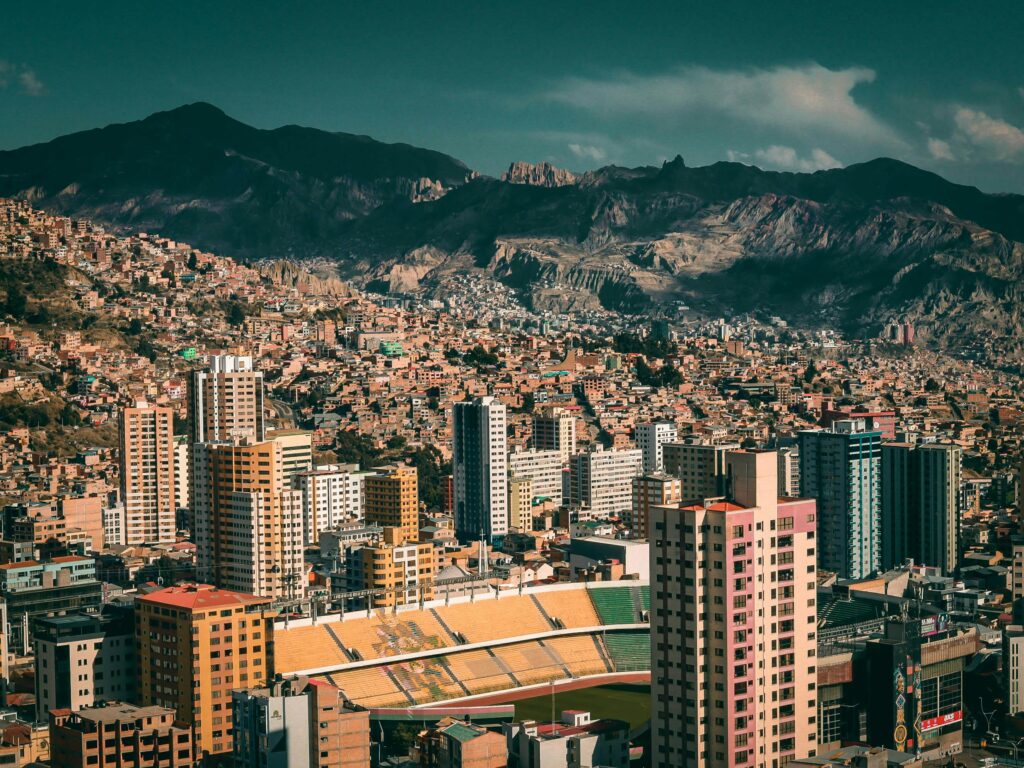
What is happening in Bolivia
Bolivia has been gripped by a severe political and economic crisis for months, driven by three converging pressures: a dramatic collapse in natural gas export revenue that has eliminated the country’s foreign currency reserves, a prolonged political confrontation between President Luis Arce and his predecessor Evo Morales — both members of the same MAS (Movement for Socialism) party — and widespread popular unrest that has periodically brought major cities and transport routes to a standstill.
Protest movements led by Morales-aligned coca growers and indigenous organizations have set up roadblocks across the country on multiple occasions in 2025 and 2026, cutting off fuel and food supplies to major urban centers including La Paz and Cochabamba. The government has responded with riot police and, on at least one occasion, the military — actions that the U.S. State Department characterized as a matter of concern in its statement, calling on all parties to respect the right to peaceful protest and urging the government to engage in dialogue rather than repression.
The economic collapse — fuel, dollars, and gas
Bolivia’s economic crisis stems fundamentally from the depletion of its natural gas reserves, which for two decades provided the revenue base that funded social programs, infrastructure, and foreign currency reserves under Morales’s government. Production has fallen sharply, export revenue has collapsed, and the country now faces acute shortages of both dollars and fuel. The official exchange rate of 6.91 bolivianos per dollar has been increasingly disconnected from black market rates, which have at times traded at a premium of 50 percent or more — a sign of severe pressure on the currency regime.
Fuel queues stretching for hours have become a feature of daily life in Bolivian cities. The government has struggled to pay for fuel imports due to the dollar shortage, creating a feedback loop in which economic hardship fuels protests, protests disrupt supply chains, and supply disruptions deepen the hardship. Bolivia’s foreign reserves have fallen to critically low levels, limiting the government’s ability to intervene in currency markets or finance imports.
The Arce-Morales confrontation
The political crisis has an additional layer of complexity: the ruling MAS party is effectively split between Arce’s faction, which controls the government, and Morales’s faction, which controls much of the party’s grassroots base and has been seeking to position Morales for a presidential run in the 2025 elections — despite a Constitutional Tribunal ruling that bars him from standing again. Morales has publicly called for Arce’s resignation, organized road blockades, and positioned himself as the leader of the opposition within the governing movement.
Bolivia’s Congress, controlled by a coalition that includes Morales-aligned MAS legislators and opposition members, has initiated impeachment proceedings against Arce — an unprecedented development in Bolivian politics. The charges relate to the government’s economic mismanagement and its handling of the fuel crisis, though the political motivation is widely seen as primarily electoral rather than strictly legal. Arce has described the proceedings as a “parliamentary coup” and refused to recognize their legitimacy.
“The United States is concerned about reports of excessive force used against protesters in Bolivia and calls on the government to ensure that security forces respect the right to peaceful assembly.”
— U.S. State Department spokesperson, May 2026
What the U.S. statement means — and what comes next
The U.S. statement of concern is relatively measured by the standards of Washington’s recent interventions in Latin American politics — it stops well short of the direct pressure applied to Cuba and Venezuela, and does not include sanctions. But its timing is significant: it comes as Bolivia’s 2025 election results remain contested and the country’s political situation deteriorates toward what some analysts describe as a pre-crisis state. With Arce weakened, Morales legally barred from running but politically active, and a Congress pursuing impeachment, the institutional path forward for Bolivia remains deeply unclear. The economic trajectory — absent a significant recovery in gas production or a major external financing arrangement — points toward continued deterioration in 2026.
Related Posts

“Monster Shark” Older Than Dinosaurs Spotted Near U.S. Coast Sparks Fascination Online
Marine researchers are drawing attention after sightings of a rare…

Trump Says US Does Not Need Xi Jinping’s Help on Iran as Middle East Tensions Continue Rising
US President Donald Trump stated that the United States does…
