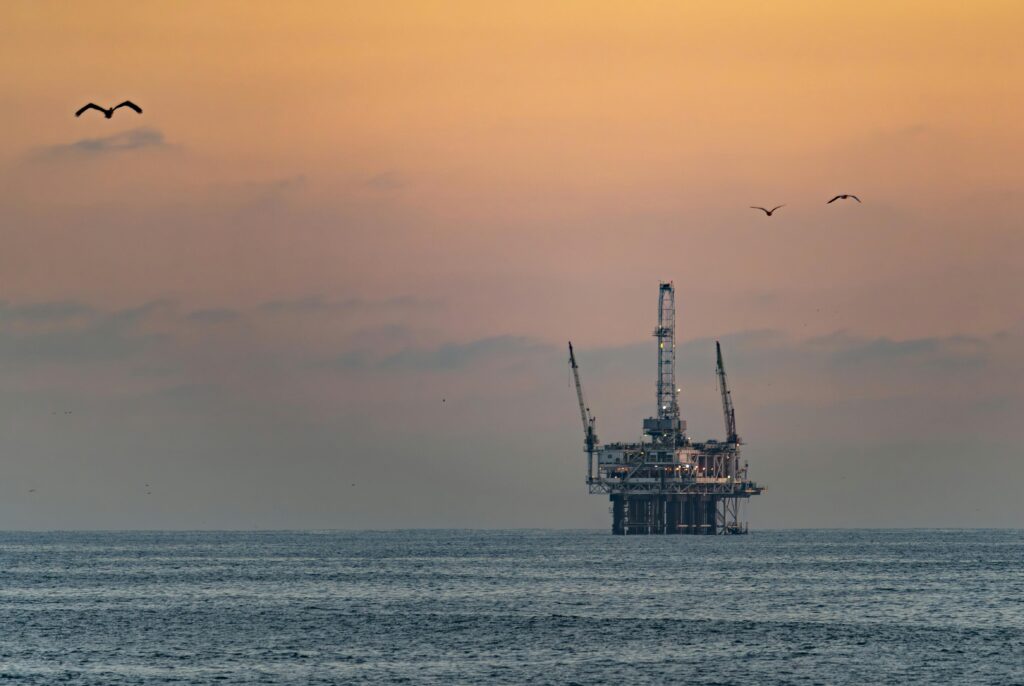
Recent attacks linked to Iran have significantly disrupted Saudi Arabia’s oil production, raising fresh concerns about global energy supply and market stability.
According to official reports and industry data, key oil facilities and pipelines were targeted, forcing the kingdom to reduce output and reroute part of its energy flow.
Major Oil Facilities Hit
The attacks focused on critical infrastructure, including:
- Oil production sites
- Pumping stations connected to major pipelines
- Strategic export routes
One of the most affected systems was the East-West pipeline, a vital route that allows Saudi Arabia to export oil without relying on the Strait of Hormuz.
Production Losses Reach Over 1 Million Barrels per Day
The impact on output has been substantial.
- Around 600,000 barrels per day of production capacity were directly affected
- Pipeline disruptions reduced flow by another 700,000 barrels per day
- Total losses reached approximately 1.3 million barrels per day
This represents a significant portion of Saudi Arabia’s daily production and highlights the vulnerability of global energy infrastructure.
Part of a Broader Regional Conflict
These attacks are not isolated incidents.
They are part of a broader escalation involving Iran, the United States, and regional allies.
- Oil refineries and energy hubs have become primary targets
- Drone and missile strikes are being used to disrupt supply chains
- Retaliatory actions have intensified across the Middle East
In recent months, multiple facilities in Saudi Arabia and neighboring countries have been targeted as tensions continue to rise.
Global Oil Market Feels the Pressure
The consequences extend far beyond the region.
Energy analysts warn that disruptions in Saudi Arabia—one of the world’s largest oil producers—can:
- Drive oil prices higher
- Increase global inflation
- Create instability in financial markets
The situation is particularly sensitive because of the importance of nearby shipping routes.
The Strait of Hormuz Factor
The Strait of Hormuz remains a critical chokepoint for global energy supply.
- Roughly 20% of the world’s oil trade passes through the region
Any disruption—whether through attacks, blockades, or military escalation—can have immediate global consequences.
Strategic Shifts: Alternative Routes
In response to the growing risks, countries in the region are accelerating efforts to diversify export routes.
This includes:
- Expanding land-based pipelines
- Increasing use of Red Sea export terminals
- Reducing dependence on vulnerable maritime chokepoints
These moves aim to protect long-term energy stability but require time and heavy investment.
What Happens Next?
The situation remains highly uncertain.
- Further attacks could deepen supply disruptions
- Military escalation could impact additional countries
- Oil markets are expected to remain volatile
Governments and investors are closely monitoring developments, as the outcome could reshape the global energy landscape.
Final Thoughts
The recent attacks highlight a critical reality:
Modern energy systems are highly vulnerable to geopolitical conflict
With Saudi Arabia’s production affected and key routes under pressure, the ripple effects are already being felt worldwide.
Related Posts

U.S. Hotels Face Low Booking Demand Ahead of FIFA World Cup 2026 Despite Massive Hype
Hotel owners across several host cities in the United States…

NYPD investigates two separate groups caught on video entering and exiting Brooklyn sewers in the middle of the night — motives unknown
Surveillance footage from two locations in Brooklyn captured more than…

GTA 6 Trailer 3 and pre-order details: everything leaked so far — and what’s actually credible
With GTA 6's November 19 release date less than six…
