
Overview
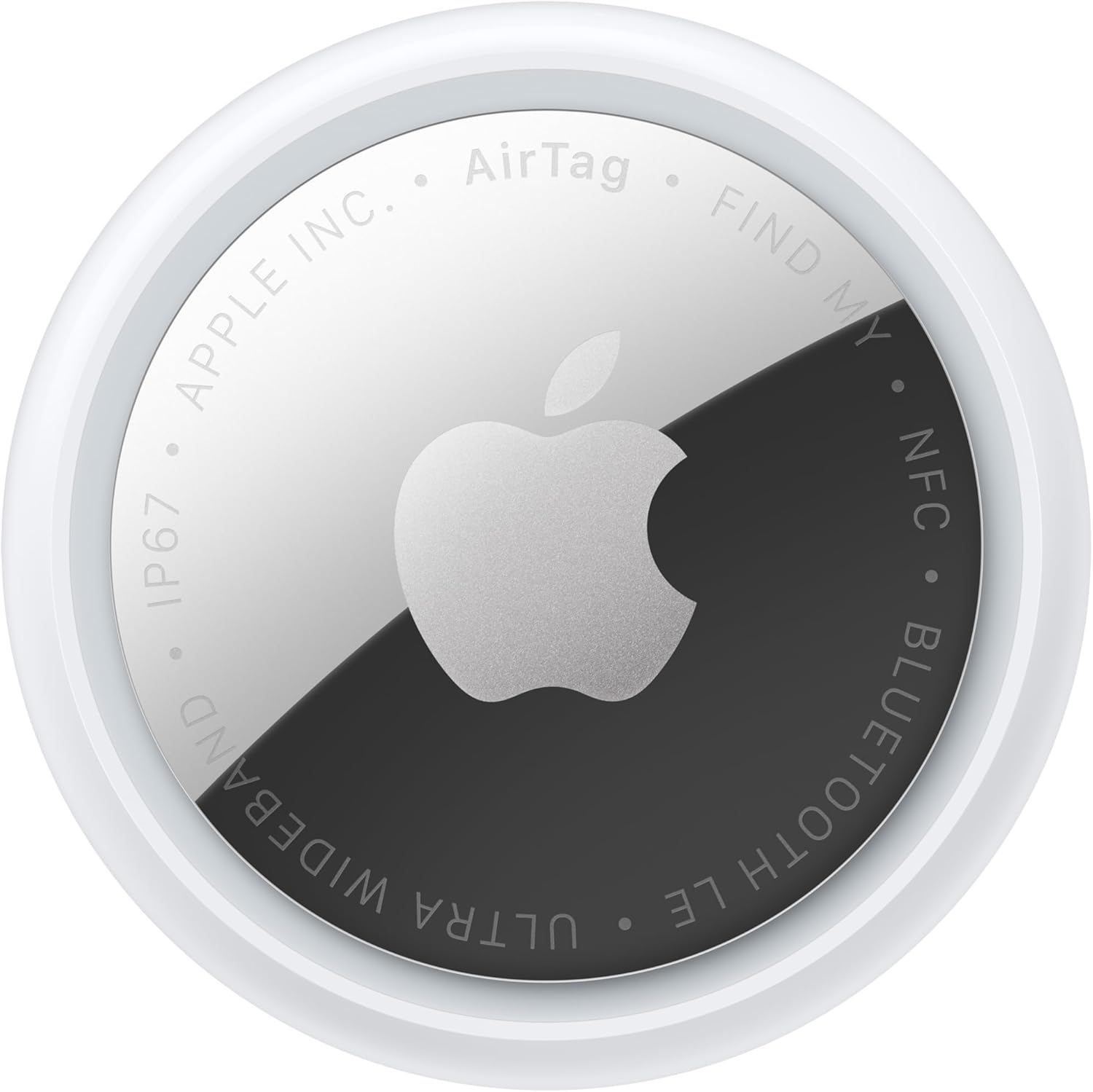
Nearly five years after the original AirTag first launched, Apple has released a second generation that looks essentially identical on the outside but packs meaningful upgrades on the inside. The AirTag 2 keeps the same coin-shaped design, the same $29 price, and the same replaceable CR2032 battery rated for more than a year of use, but adds a new second-generation Ultra Wideband chip, an upgraded Bluetooth chip, and a significantly louder speaker. It also introduces a more sustainable build, using 85% recycled plastic in its enclosure and 100% fiber-based packaging. It ships January 26, 2026, and works through Apple’s Find My network, which taps into over a billion active Apple devices worldwide to help locate a lost item.
Precision Finding: The Headline Upgrade
This is where the AirTag 2 makes its case most convincingly, and independent testing backs it up consistently across nearly every major review. Apple claims up to a 50% longer Precision Finding range compared to the original AirTag, and hands-on testing from multiple outlets found the real-world improvement to be even more dramatic in practice. One asset-tracking specialist that has monitored AirTag deployments since 2022 measured the new Precision Finding range at roughly 60 meters, compared to about 15 meters on the original — a 4x improvement in the distance at which your iPhone can display a directional arrow and distance readout pointing you to the tag.
CNN Underscored ran a direct side-by-side test in a real apartment, placing both an original and a second-generation AirTag roughly 60 feet apart with old walls and a closed bathroom door in between. Only the AirTag 2 was detected reliably at that distance; the original AirTag failed to register a usable signal in five out of six attempts at the same range, needing to be within about 30 feet to work reliably. For anyone who’s ever had to slowly walk around a house waiting for Precision Finding to “wake up,” this is a genuinely significant, tangible improvement rather than a marginal spec bump.

Louder Speaker
The second major upgrade is a considerably louder speaker — Apple states it’s 50% louder than the original, and one independent measurement put the actual output at 85-87dB, up from around 66dB on the original AirTag. In practical terms, this means an AirTag buried in a couch cushion, backpack, or under a car seat is genuinely easier to hear when you’re using the “play sound” feature to locate it nearby. As a side benefit, reviewers also note the speaker is now harder to physically remove without damaging the device — a small but meaningful deterrent against tampering or someone trying to silence a tag that’s being used to track them without consent.

Apple Watch Support
This is a smaller but genuinely useful addition praised across multiple reviews. For the first time, Precision Finding now works directly on an Apple Watch (Series 9 or later, or Ultra 2 or later, with watchOS 26.2.1), letting you track down a nearby AirTag without needing your iPhone in hand. Hands-on testing found this worked reliably even indoors with walls and furniture in the way, using the same directional-arrow-and-distance interface as the iPhone version, just scaled to the watch’s smaller screen.
That said, setup has a genuine rough edge worth flagging: rather than being built directly into the Watch’s Find Items app, Precision Finding requires manually adding each individual AirTag as a separate Control Center item through a somewhat convoluted setup process — a design choice at least one reviewer found genuinely puzzling given how central Precision Finding is to the AirTag’s core appeal.

Compatibility
It’s important to check compatibility before buying, since not every device supports the AirTag 2’s improved features. The expanded Precision Finding range specifically requires an iPhone Air or iPhone 15 or later (notably excluding the iPhone 16e) paired with the new AirTag, and Apple Watch Precision Finding requires Series 9 or later (excluding the SE) or Ultra 2 or later. Basic Find My tracking will still work on older, compatible Apple devices, but you won’t get the full benefit of the upgraded range without newer hardware on both ends.

Battery Life and Sustainability
The AirTag 2 uses the same easily replaceable CR2032 coin battery as the original, rated for more than a year of typical use before needing a swap — a genuine convenience compared to trackers that require proprietary rechargeable batteries. Apple’s shift to 85% recycled plastic in the enclosure and fully fiber-based packaging is also a welcome, if incremental, sustainability improvement over the original model.

Should You Upgrade?
If you already own original AirTags and they’re doing their job fine for low-stakes use (like tracking a suitcase that rarely goes far from you), the core Find My tracking experience hasn’t fundamentally changed. But for AirTags attached to items you’re more likely to actually lose track of — bags you carry daily, keys, anything at real risk of theft or misplacement — the dramatically improved Precision Finding range is a genuinely compelling reason to make the switch, as several reviewers specifically noted they were doing themselves after testing.
Pros and Cons
| SPLASH, WATER, AND DUST RESISTANCE | Rated IP67 (maximum depth of 1 meter up to 30 minutes) under IEC standard 60529 | Rated IP67 (maximum depth of 1 meter up to 30 minutes) under IEC standard 60529 |
| CONNECTIVITY | Bluetooth for proximity finding, Apple-designed, second-generation Ultra Wideband chip and expanded Precision Finding connectivity, NFC tap for Lost Mode | Bluetooth for proximity finding, Apple-designed, second-generation Ultra Wideband chip and expanded Precision Finding connectivity, NFC tap for Lost Mode |
| SPEAKER | Built-in speaker | Built-in speaker |
| BATTERY | User-replaceable CR2032 coin cell battery | User-replaceable CR2032 coin cell battery |
| SENSOR | Accelerometer | Accelerometer |
Verdict
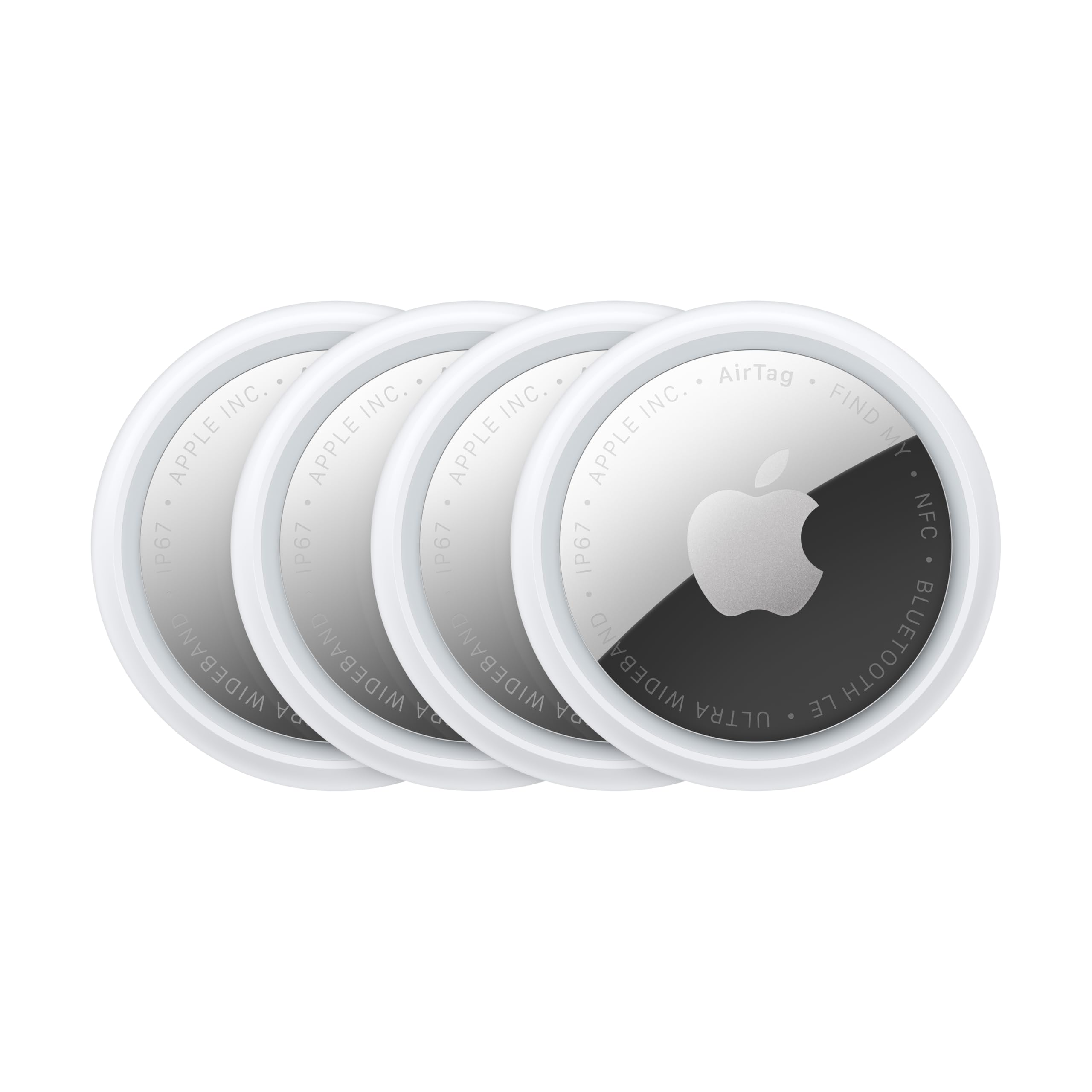
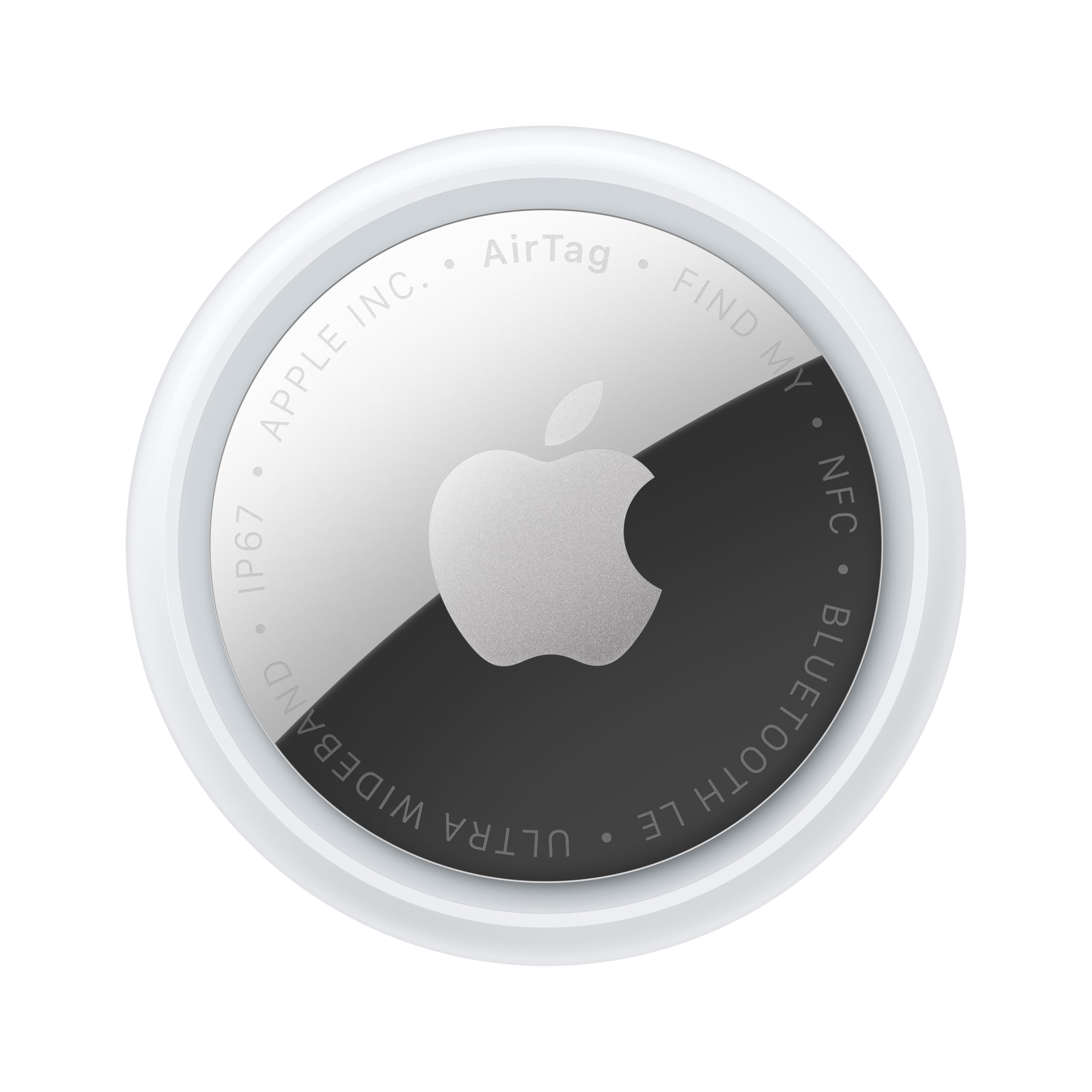
The Apple AirTag (2nd Generation) is a genuinely worthwhile upgrade disguised as a minor refresh. The dramatically improved Precision Finding range is the real story here — verified consistently across independent testing from multiple outlets — and the louder speaker and new Apple Watch support round out a package that meaningfully improves on the original’s most common frustrations, all at the same $29 price. If you’re buying AirTags for the first time, there’s no reason to consider the original. If you already own first-generation AirTags, upgrading the ones attached to your most frequently carried or most valuable items is an easy call.

Related Posts
Lenovo V15 (AMD Ryzen 5 5500U) Review: Read the Fine Print Before You Buy This One
Lenovo V15 (AMD Ryzen 5 5500U) Review This review starts…
NOCO GB40 Boost Plus Jump Starter Review: Small Box, Big Peace of Mind
Overview The NOCO GB40 Boost Plus is a compact 1000-amp…
Spican One-Piece Switch Controller Review: A Budget Handheld Grip With Big Promises and Very Little Independent Testing
Spican One-Piece Switch Controller Review This is not a Nintendo…
