
Overview
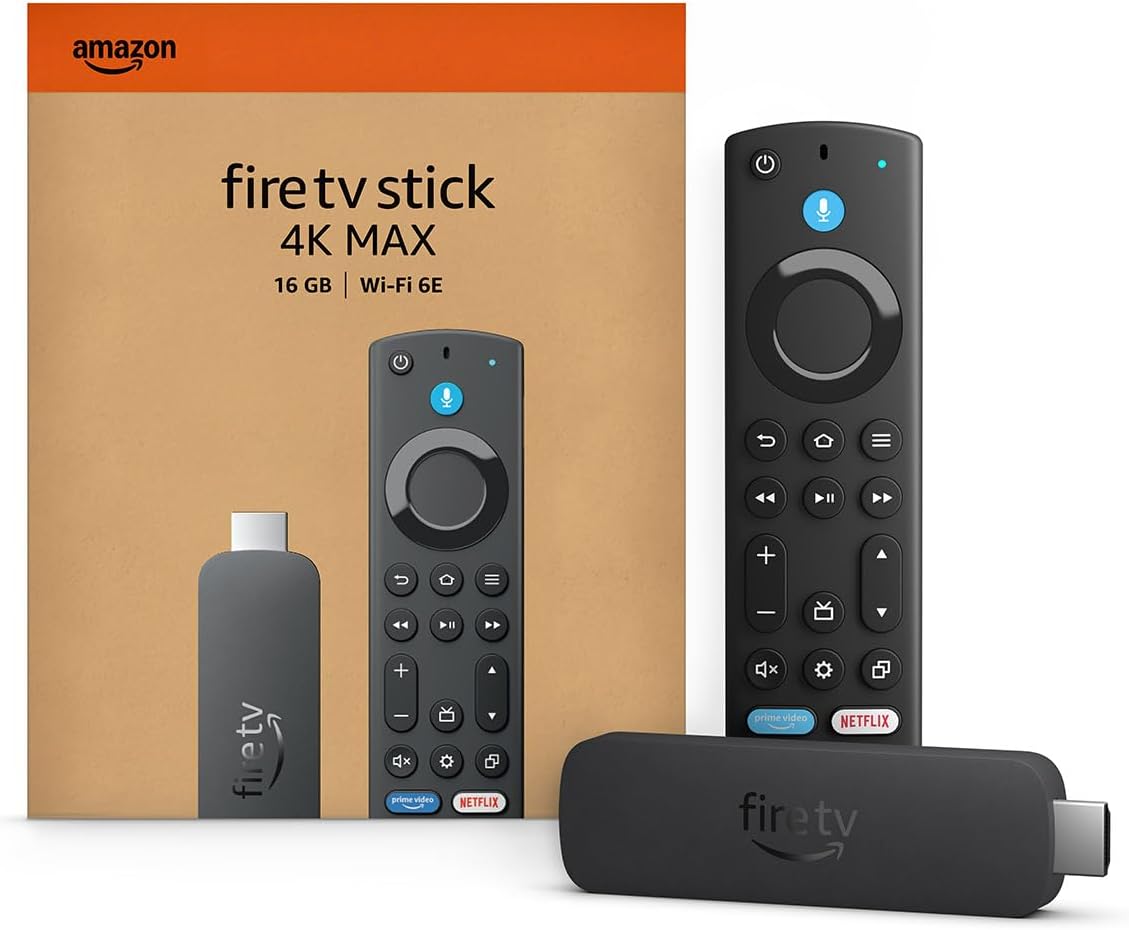
The Fire TV Stick 4K Max is Amazon’s flagship streaming stick, sitting just below the bulkier Fire TV Cube in the company’s lineup. This review covers the 2nd generation model (the one currently listed on Amazon under this ASIN), which launched with a 2.0GHz quad-core processor, 16GB of storage, Wi-Fi 6E support, and — as of the most recent Fire OS update — an AI-powered search experience built around Alexa+. There’s only one real hardware configuration here: black finish, 16GB storage, sold with the standard Alexa Voice Remote. Amazon does sell an upgraded Alexa Voice Remote Pro separately, but it’s not required to use this stick.
It’s worth noting upfront that Amazon has confirmed all future Fire TV Sticks will move to its new Vega OS platform, which means the 4K Max is effectively the last and most powerful Android-based Fire TV Stick the company will make. That’s not a dealbreaker, but it’s a detail worth knowing if long-term software support matters to your buying decision.
Design and Setup
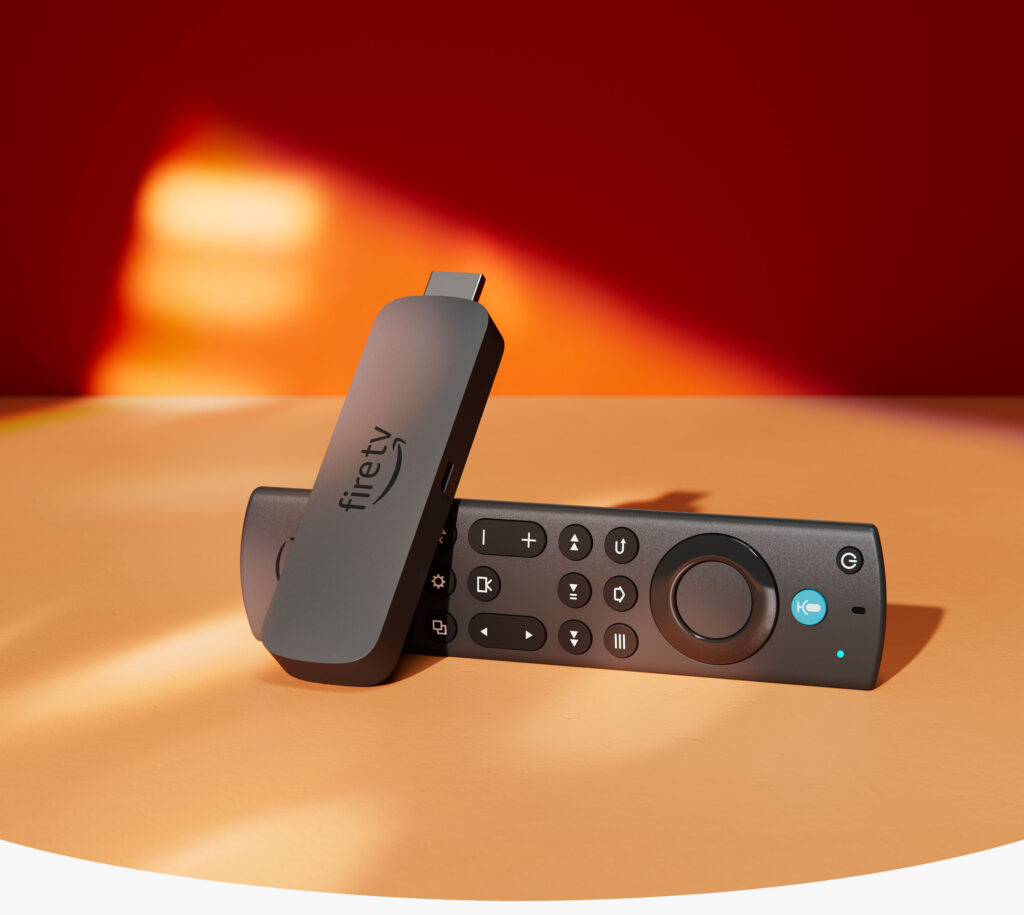
Physically, the 4K Max looks like every other Fire TV Stick Amazon has made — a matte-black plastic dongle about the size of a large USB drive, with an HDMI connector on one end and a power port on the side. It’s chunkier than some competitors’ sticks, so Amazon includes an HDMI extender cable in the box for TVs with recessed or tightly packed ports. Setup is straightforward: plug it in, connect to Wi-Fi, sign into your Amazon account, and you’re browsing content within a few minutes.
One minor annoyance several reviewers have flagged over the years: the stick draws power via a dedicated adapter, and most TVs’ USB ports don’t reliably supply enough current to run it, so you’ll likely need to use an outlet rather than powering it off your TV.
Performance
This is where the 4K Max earns its “Max” name. Reviewers consistently describe it as the fastest Fire TV Stick Amazon has ever produced, with snappy app launches and smooth menu navigation. Engadget specifically called out its processor as the quickest of any Fire TV Stick — only the pricier Fire TV Cube beats it, and that’s a set-top box, not a stick. In day-to-day use, apps like Netflix, Disney+, and Prime Video open quickly, and there’s minimal buffering when switching between content, especially over a Wi-Fi 6E network.
Picture quality is genuinely strong for the price. The stick supports 4K Ultra HD, Dolby Vision, HDR10+, and Dolby Atmos audio passthrough, and reviewers at outlets like Tom’s Guide and What Hi-Fi? have praised its color accuracy, black-level handling, and detail retention when paired with a good TV. It won’t outperform the panel it’s connected to, but it’s not the bottleneck either.
Interface and the Alexa+ Update
Amazon rolled out a significant Fire TV interface refresh in early 2026, integrating Alexa+ for more conversational, AI-driven search and recommendations. Early impressions from tech reviewers are mixed-to-positive: the new interface is described as modern and faster to navigate, with easier pinning of favorite apps and more personalized recommendations. However, this is also where the most consistent criticism of the 4K Max shows up.
Multiple reviewers — including Tom’s Guide and Yahoo Tech — note that the Fire TV interface remains cluttered with Amazon promotions, ads for Amazon-owned content, and prompts pushing Prime subscriptions. Voice search, while improved, still doesn’t always return accurate results. If a clean, distraction-free home screen matters to you, this is a legitimate weak point compared to Roku’s more neutral interface or Google TV’s cleaner layout.
Gaming: An Underrated Strength
One feature that consistently surprises reviewers is how capable the 4K Max is as a casual gaming device. It supports Amazon Luna, NVIDIA GeForce Now, and Xbox Game Pass Ultimate cloud gaming — meaning with the right subscriptions and a compatible controller, you can stream games like Call of Duty or Hogwarts Legacy without owning a console. Yahoo Tech’s review specifically highlighted this as an underappreciated selling point, noting it goes further than what Roku or the base Google TV Streamer offer in this department. That said, you’ll need a paid game-streaming subscription to actually use it — the hardware itself doesn’t include games.
How It Compares
It’s important to be upfront here: the Fire TV Stick 4K Max is not the top pick from every major review outlet in 2026. Wirecutter currently names the Google TV Streamer its top overall pick for its interface and cross-platform search, and several outlets point to the cheaper Amazon Fire TV Stick 4K Plus or Roku’s Streaming Stick Plus as better value picks for buyers who don’t need the extra processing power. Where the 4K Max wins is in raw speed, Wi-Fi 6E support, double the storage of Amazon’s cheaper sticks, and its unusually strong cloud-gaming capability — all of which matter more if you have a demanding home network or want to use it for casual gaming, and matter less if you just want a simple, ad-light streaming experience.
If you’re already invested in the Alexa/Amazon ecosystem — Echo speakers, smart home devices, Ring cameras — the 4K Max integrates with all of it in a way competing platforms can’t match, which is a real advantage for some households and irrelevant to others.
Pros and Cons
Verdict
The Fire TV Stick 4K Max earns its reputation as Amazon’s best streaming stick largely because it’s genuinely fast, handles 4K HDR content well, and throws in cloud-gaming capability most competitors at this price simply don’t offer. It’s not the objectively “best” streaming device on the market right now — outlets like Wirecutter still favor the Google TV Streamer’s cleaner interface, and budget-conscious buyers can get most of the same experience from the cheaper Fire TV Stick 4K Plus. But if you’re already in the Amazon/Alexa ecosystem, want the fastest Fire TV experience available, or care about casual game streaming, the 4K Max remains a smart buy — especially since it rarely sells at full price for long. Just go in knowing the interface leans hard into ads and Amazon’s own content, which some buyers find genuinely irritating over time.
Related Posts
ANCEL AD310 OBD II Scanner Review: The Beginner’s Check Engine Light Fix
Overview The ANCEL AD310 Classic Enhanced Universal OBD II Scanner…
Apple MacBook Air 15″ (M5, 2026) Review: Excellent, Familiar, and Not a Reason to Upgrade From Last Year
Apple MacBook Air 15" (M5, 2026) Review Overview This review…

Owala FreeSip Insulated Stainless Steel — Full Review
🧠 Overview The Owala FreeSip has quickly become one of…
