In a Truth Social post on Thursday, President Trump said the U.S. would send 5,000 more troops to Poland — citing the election of right-wing President Karol Nawrocki as the reason. The announcement came just days after the Pentagon had canceled a planned deployment and Vice President Vance had told reporters the deployment was “delayed.”
The announcement — and what triggered it
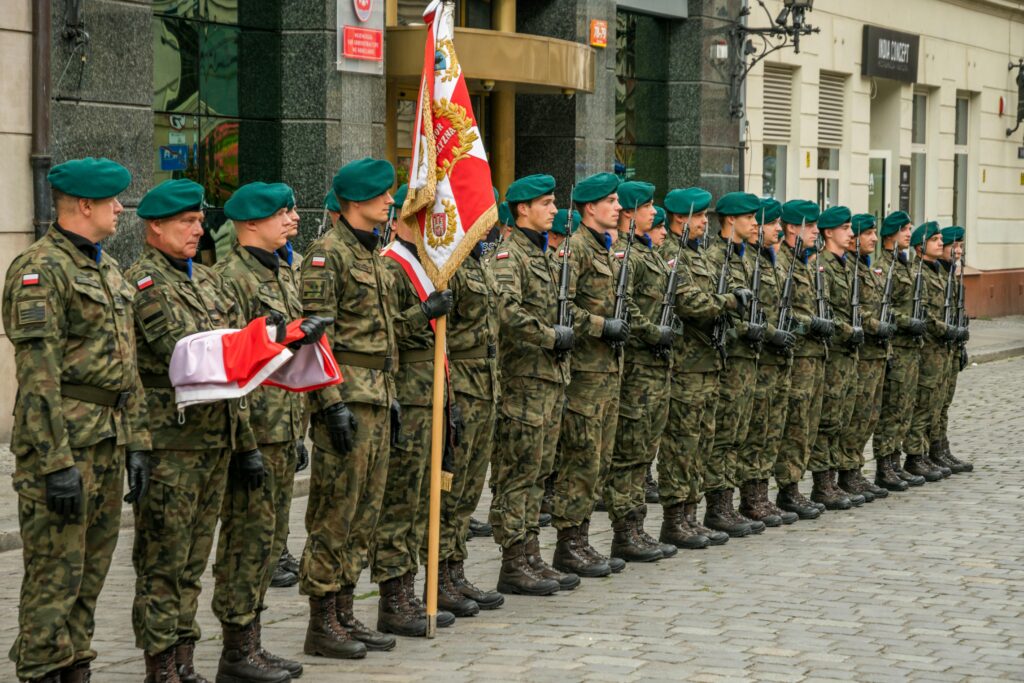
President Trump posted on Truth Social on Thursday evening that the United States would send an additional 5,000 troops to Poland, citing the recent presidential election result as the catalyst for the decision.
“Based on the successful Election of the now President of Poland, Karol Nawrocki, who I was proud to Endorse, and our relationship with him, I am pleased to announce that the United States will be sending an additional 5,000 Troops to Poland.”
— President Donald Trump, Truth Social, May 22, 2026
Nawrocki, a right-wing candidate backed by Poland’s Law and Justice party, won the Polish presidential election with Trump’s public endorsement — one of several European electoral outcomes Trump had personally invested in. The decision to link a NATO troop deployment directly to the political alignment of a host country’s leadership is without recent precedent in U.S. policy, and the announcement immediately drew scrutiny from both European allies and members of Congress.
The contradiction at the heart of the announcement
The announcement stirred significant confusion because it directly contradicts the posture the Trump administration had communicated in the preceding weeks. The Trump administration had said it was reducing troop levels in Europe by about 5,000 soldiers — and U.S. officials had confirmed that approximately 4,000 service members were no longer deploying to Poland as part of that drawdown. Just two days before Thursday’s Truth Social post, Vice President J.D. Vance told reporters that the planned deployment of American forces to Poland had been “delayed.” Trump’s surprise announcement came a week after the Pentagon abruptly canceled a planned deployment of 4,000 troops to Poland, surprising both Pentagon officials and lawmakers.
The net arithmetic is difficult to parse. If the administration was already reducing European deployments by 5,000 and canceling a 4,000-troop Poland deployment, Thursday’s announcement of 5,000 new troops to Poland either partially or fully reverses those reductions — or represents an entirely separate tranche of forces. The Pentagon had not clarified the figures at the time of publication.
A timeline of contradictions
Early MayTrump administration announces reduction of U.S. troop levels in Europe by ~5,000 as part of broader NATO posture review
~May 14Pentagon abruptly cancels planned deployment of 4,000 troops to Poland — confirmed by U.S. officials
May 20VP Vance tells reporters the Poland deployment has been “delayed”
May 22Nawrocki wins Polish presidential election — Trump had publicly endorsed him
May 22Trump posts on Truth Social announcing 5,000 additional troops to Poland — citing Nawrocki’s election as reason
European allies: “blindsided” again
Trump’s social media announcement raised more uncertainty for European allies that have been blindsided by the changes, as the administration has complained about NATO members not shouldering enough of the burden of their own defense and failing to do more to support the Iran war. Al Jazeera’s analysis described the move as deepening “erratic U.S. policy” that leaves European NATO partners increasingly unclear about which areas they should prioritize in their own defense planning.
The announcement also drew bipartisan frustration in Congress. Republican lawmakers who had objected to the original cancellation of the 4,000-troop deployment expressed relief at the reversal but frustration at the process — pointing out that a policy affecting a core NATO ally should not be announced on social media as an apparent reaction to a foreign election result. Democratic lawmakers focused on the precedent of linking troop deployments to the political preferences of host-country governments.
The broader context: NATO under strain from the Iran war
The Poland announcement is the latest episode in a turbulent period for the U.S.-European military relationship. Germany’s defense minister Boris Pistorius called earlier this month for Europeans to take greater responsibility for their own defense after the Pentagon confirmed a withdrawal of 5,000 troops from Germany. The Trump administration has repeatedly complained that European NATO members have not done enough to support U.S. operations in the Iran war — a conflict that most European governments have declined to formally join, despite providing varying degrees of diplomatic and intelligence support.
Poland is a notable exception to European hesitancy. Warsaw has been one of the most consistent advocates for a strong U.S. military presence on NATO’s eastern flank, has increased its own defense spending to among the highest in the alliance as a share of GDP, and has expressed support for the Iran war posture to a degree unusual among European capitals. Nawrocki’s election is expected to maintain and possibly deepen that alignment — which may explain why Trump chose Poland as the venue for a deployment announcement that runs counter to his administration’s stated policy direction in Europe.
Related Posts
Canada Strengthens Arctic Defense Ties With Nordic Nations After Trump Threats
Canada is reportedly deepening military and strategic cooperation with Nordic…
Trump Considers Pressuring UK by Reviewing Support for Falklands Dispute
Photo: Getty The administration of Donald Trump is reportedly considering…

Rockstar Fuels Massive GTA VI Anticipation With Fresh Website Changes and New Promotional Footage
Rockstar Games has intensified excitement surrounding Grand Theft Auto VI…
