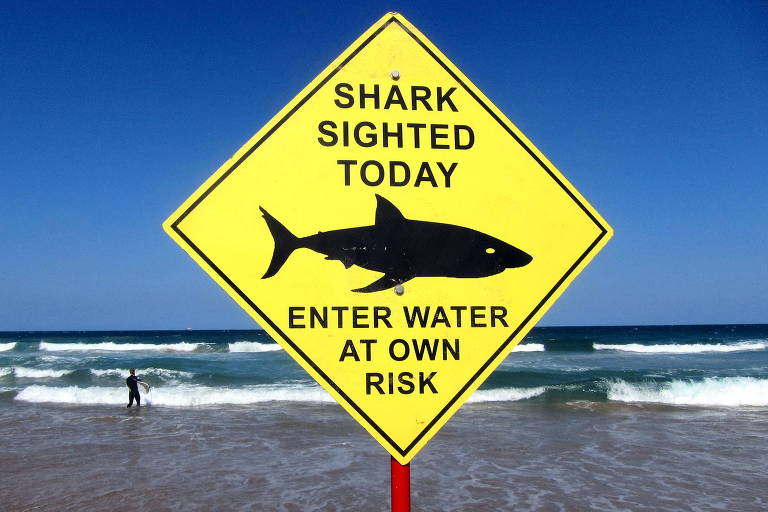
The man was attacked at Horseshoe Reef shortly before 10am local time on Saturday while spearfishing with friends. Despite CPR attempts on shore, he died at the scene. The four-metre great white shark was confirmed by state authorities as the species responsible.
What happened
A 38-year-old man died on Saturday morning after being attacked by a great white shark at Horseshoe Reef, a popular diving and spearfishing location near Rottnest Island, approximately 31 kilometres west of Perth in Western Australia. Emergency services were notified at around 9:55am local time. The man had been in the water with a group of friends when he was bitten on both lower legs by the shark.
His companions brought him to shore by boat and transported him to Geordie Bay Jetty, where St John Ambulance paramedics and police officers attempted CPR. He was pronounced dead at the scene. Aerial footage broadcast by the Australian Broadcasting Corporation showed rescue crews and a helicopter with a stretcher at the location. The victim’s identity had not been officially released at the time of publication, with Western Australia Police stating that a report would be prepared for the coroner.
“A 38-year-old man was in the water at Horseshoe Reef when he was believed to have been bitten by a shark. The man was conveyed by vessel to shore, where he was met by SJA WA paramedics.”
— Western Australia Police, official statement, May 16, 2026
“His friends have actually witnessed the horrific event.”
— Sergeant Michael Wear, Western Australia Police, speaking to 9 News Perth
Key facts
Victim38-year-old male, identity not yet officially released
LocationHorseshoe Reef, Rottnest Island — 31 km west of Perth, Western Australia
TimeApproximately 9:55am local time, Saturday May 16, 2026
ActivitySpearfishing with a group of friends
InjuriesBites to both lower legs
Shark speciesGreat white shark, approximately 4 metres (13 feet) in length
OutcomeDied at Geordie Bay Jetty despite CPR — first fatal attack in WA since March 2025
2026 rankingSecond fatal shark attack in Australia this year
Authorities’ response
Western Australia’s Department of Primary Industries and Regional Development confirmed the shark measured approximately four metres and identified it as a great white. The department announced it would patrol the waters around Rottnest Island in the aftermath of the attack. State authorities issued an advisory urging people to exercise extra caution in the water at Rottnest Island, a popular tourist destination that draws visitors for its beaches, snorkelling, and marine life.
Context: a dangerous start to 2026 for Australian waters
Saturday’s death is the second fatal shark attack in Australia in 2026. Earlier this year, in January, four shark attacks were reported along the New South Wales coastline within the space of two days. Among the victims was 12-year-old Nico Antic, who was attacked by what was believed to be a bull shark after jumping into Sydney Harbour. He died a week later from his injuries. NSW beaches have separately reported four additional shark attacks since Sunday of last week, with experts attributing increased shark activity near shore to rainy conditions that draw the animals toward beach areas.
Saturday’s attack is also the first fatal incident in Western Australia since March 2025. Since records began in 1791, approximately 1,300 shark attacks have been recorded in Australia, of which around 260 have been fatal. The country averages roughly 20 shark attack incidents per year, according to the Australian Institute of Health and Welfare, with most occurring along the east and southeast seaboard.
Rottnest Island: a popular and well-known destination
Rottnest Island is one of Western Australia’s most visited tourist destinations, known for its beaches, quokka wildlife, snorkelling sites, and diving spots. Horseshoe Reef, where Saturday’s attack took place, is a recognised spearfishing and recreational diving location. The island sits in open ocean roughly 18 nautical miles from Fremantle, and its surrounding waters are part of the natural habitat range of great white sharks along Australia’s southern and western coastlines.
Related Posts
Melania Trump Demands Action Against Jimmy Kimmel After Controversial Joke
The First Lady of the United States, Melania Trump, has…

Trump Cancels Envoys’ Trip to Pakistan Amid Stalled Iran Talks
Photo: SALWAN GEORGES/EFE/EPA/POOL Donald Trump has canceled a planned trip…
U.S. Hotels Face Low Booking Demand Ahead of FIFA World Cup 2026 Despite Massive Hype
Hotel owners across several host cities in the United States…
