
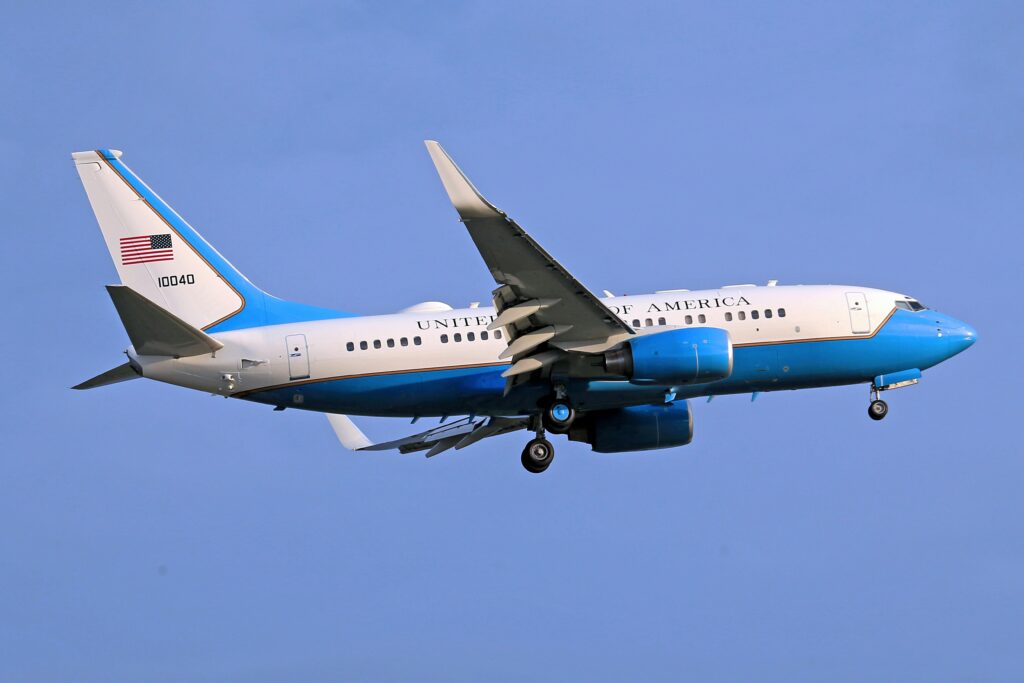
Top American executives from companies including Tesla, NVIDIA, Apple, Boeing, Goldman Sachs, and BlackRock accompanied US President Donald Trump to China this week as part of a major diplomatic and economic mission focused on artificial intelligence, trade, and market access.
The high-profile delegation highlights how critical China remains for major US corporations despite years of trade tensions, tariffs, and technology restrictions between Washington and Beijing.
AI and Semiconductor Access Become Central Issue
One of the biggest focuses of the trip involves artificial intelligence and semiconductor exports.
Jensen Huang joined the delegation amid ongoing restrictions limiting Nvidia’s ability to sell its most advanced AI chips in China. Analysts believe Nvidia hopes the summit could help expand access to the massive Chinese AI market, estimated to be worth tens of billions of dollars.
US export controls continue restricting advanced semiconductor sales due to concerns involving military applications and technological competition with China.
Tesla and Apple Also Have Massive Stakes in China
Elon Musk remains deeply connected to China because of Tesla’s large manufacturing operations and vehicle sales inside the country. Meanwhile, Tim Cook is reportedly participating in one of his final major diplomatic missions before stepping down from Apple leadership later this year.
Executives hope improved US-China relations could reduce operational uncertainty, lower trade barriers, and stabilize supply chains heavily dependent on Chinese manufacturing.
Wall Street Wants Greater Chinese Market Access
The delegation also includes leaders from major financial institutions such as:
- BlackRock,
- Goldman Sachs,
- Citigroup,
- Visa,
- and Blackstone.
Financial firms continue pushing for expanded access to Chinese banking, investment, and consumer finance markets as competition intensifies between global financial institutions.
Trade War Risks Still Remain
Despite the business optimism surrounding the summit, major tensions continue between both countries involving:
- tariffs,
- Taiwan,
- AI dominance,
- semiconductor restrictions,
- and national security concerns.
Analysts warn that failure to achieve meaningful agreements could increase volatility in:
- global stock markets,
- supply chains,
- AI investments,
- and international trade flows.
Why Investors Are Watching Closely
Investors see the China summit as one of the most important geopolitical and economic meetings of the year.
Potential agreements involving:
- AI chips,
- aviation,
- energy exports,
- manufacturing,
- and financial services
could strongly impact global markets and technology stocks throughout 2026.
Meanwhile, Nvidia, Tesla, Apple, and other multinational companies continue balancing political pressure from Washington with the enormous financial opportunities offered by the Chinese market.
Related Posts
CIA Director Visits Cuba Amid Possible U.S. Case Involving Raúl Castro
The director of the Central Intelligence Agency reportedly traveled to…

U.S. expresses concern over Bolivia’s protest crackdown as Arce faces impeachment and economy nears collapse
Washington issued a statement of concern over Bolivia's government response…

U.S. to significantly cut the bombers, warships, and troops it makes available to NATO in a crisis — a landmark shift in the transatlantic alliance
The Trump administration intends to announce deep reductions in the…
