
The United States is awaiting Iran’s official response to a proposed peace agreement that could mark a major turning point in the escalating Middle East crisis, according to US Secretary of State Marco Rubio.
Rubio said Washington expects feedback from Tehran “within the next 48 hours” as negotiations intensify around a potential framework designed to reduce military tensions and stabilize the Strait of Hormuz.
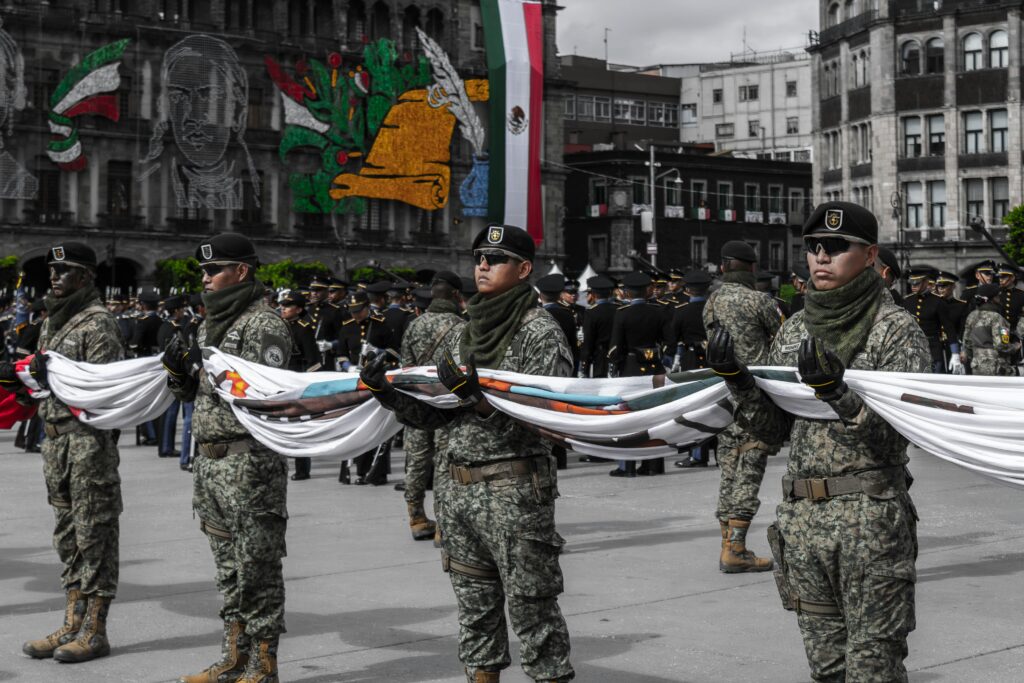
Fragile Ceasefire Faces New Pressure
The proposed agreement reportedly includes multiple conditions related to maritime security, regional military activity, and Iran’s nuclear program. Diplomats describe the negotiations as one of the most sensitive moments in US-Iran relations in recent years.
Despite ongoing diplomatic efforts, military incidents continue to threaten the fragile ceasefire. Recent clashes involving naval forces in the Strait of Hormuz have increased fears that negotiations could collapse if no agreement is reached soon.
Why the Strait of Hormuz Matters
The Strait of Hormuz remains one of the world’s most strategically important shipping routes, handling a massive portion of global oil exports. Any escalation in the region has immediate consequences for energy prices, shipping costs, and global financial markets.
Iran has repeatedly stated that safe maritime transit depends on reduced US military pressure, while Washington insists freedom of navigation must be guaranteed.
Proposed Peace Framework
According to reports, the emerging framework could involve:
- A temporary ceasefire
- Reopening shipping routes
- Security guarantees in the Gulf region
- Discussions related to sanctions relief
- Broader negotiations over Iran’s nuclear activities
Sources close to the talks describe the proposal as a preliminary memorandum rather than a finalized treaty.
Global Markets Watching Closely
Financial markets are closely monitoring the situation, especially oil traders and defense analysts. Any sign of de-escalation could ease volatility in global energy markets, while failure in negotiations may trigger renewed military escalation.
Analysts warn that even small disruptions in the Strait of Hormuz can significantly impact global supply chains and oil prices.
What Happens Next?
The coming days are expected to be critical. If Iran responds positively, negotiations could move toward a broader regional agreement. If talks fail, however, tensions in the Gulf may intensify further, increasing the risk of additional military confrontation.
For now, the world is watching to see whether diplomacy can prevent another major escalation in the Middle East crisis.
Related Posts
Trump Calls Iran Proposal “Stupid” as Middle East Peace Negotiations Face Major Breakdown Risk
US President Donald Trump criticized Iran’s latest negotiation proposal, calling…
38-Year-Old Spearfisher Killed by Great White Shark at Rottnest Island in Australia’s Second Fatal Attack of 2026
The man was attacked at Horseshoe Reef shortly before 10am…

Trump Escorted Out of Washington Dinner After Reported Gunfire Sounds
U.S. President Donald Trump was urgently escorted out of a…
