Iran’s president has sharply criticized recent demands from the United States, calling them “impossible and unreachable” as tensions continue to escalate in the Strait of Hormuz.
The statement comes at a critical moment in the ongoing geopolitical standoff, with both nations locked in a fragile ceasefire while military activity persists across the region.
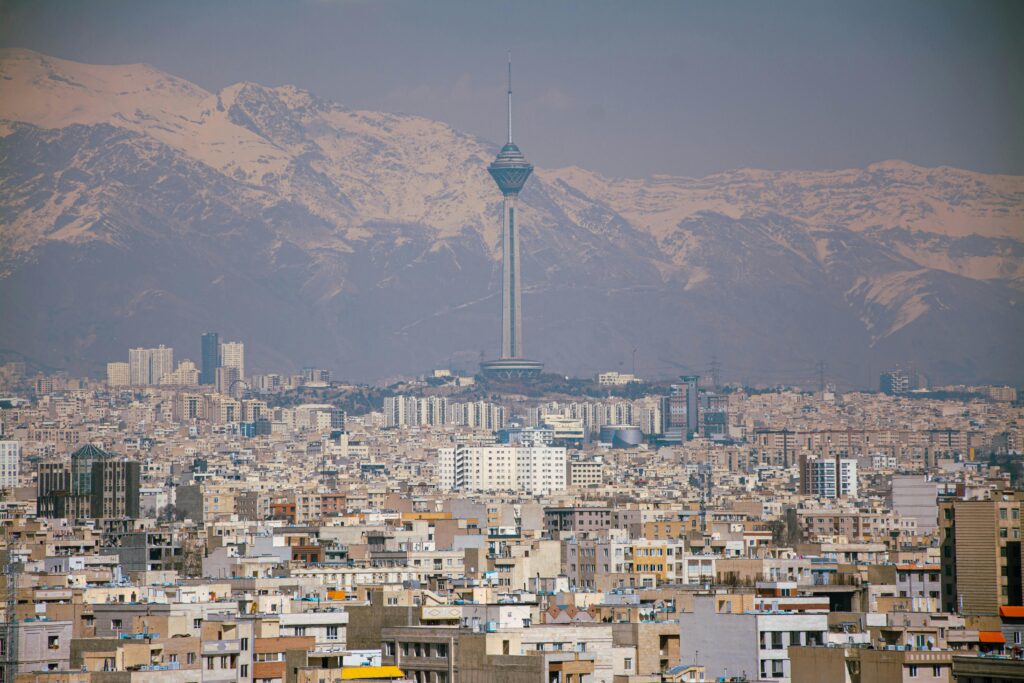
Diplomatic Deadlock Deepens
Iranian leadership has signaled that Washington’s (conditions) go beyond what Tehran considers acceptable, effectively stalling any meaningful progress in negotiations.
Despite ongoing diplomatic efforts through intermediaries, the gap between the two sides remains wide. Analysts say the latest remarks highlight how difficult it will be to reach a long-term agreement under current conditions.
Rising Tensions in a Critical Global Chokepoint
The dispute is unfolding in the context of the broader crisis in the Strait of Hormuz—one of the most strategically important waterways in the world, responsible for a significant share of global oil and gas transportation.
Since early 2026, the region has seen military confrontations, naval blockades, and repeated threats to commercial shipping, severely disrupting global trade flows.
Recent clashes and security operations by US forces to reopen shipping lanes have further complicated the situation, with both sides accusing each other of violating ceasefire conditions.
Ongoing Military Pressure
While officials from Washington insist the ceasefire remains in place, intermittent attacks, drone activity, and naval incidents continue to raise concerns about a potential return to full-scale conflict.
The United States has maintained a strong military presence in the region, aiming to secure maritime routes, while Iran continues to assert control and warn against foreign interference.
Global Impact and Market Risks
The ongoing standoff is already having ripple effects across global markets. Oil prices, shipping costs, and insurance premiums have all been affected by the uncertainty surrounding the Strait of Hormuz.
For investors and policymakers, the situation represents a high-risk geopolitical flashpoint that could quickly escalate if negotiations fail completely.
Related Posts

Vale a pena comprar o Mixer Power Inox Elgin Lunar 3 em 1?
Se você está cansado de perder tempo na cozinha ou…
Trump Says US Does Not Need Xi Jinping’s Help on Iran as Middle East Tensions Continue Rising
US President Donald Trump stated that the United States does…

Scientists are testing a drug that regrows human teeth — here’s what the research actually shows
A Japanese biotech company has begun human clinical trials of…
