
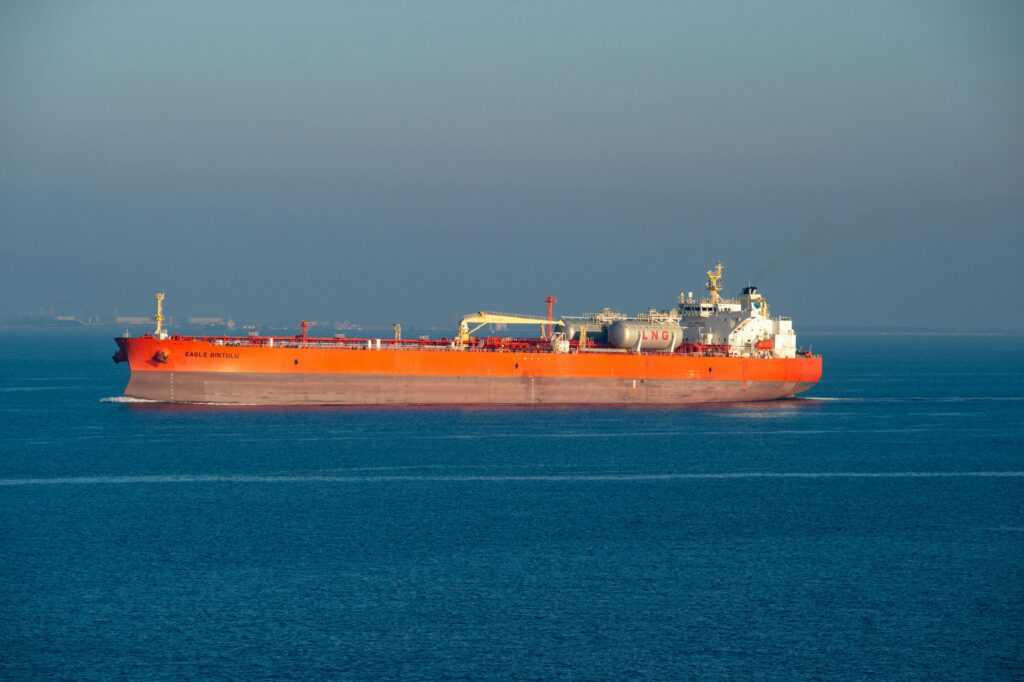
The United Arab Emirates has announced it will leave the OPEC, marking a significant change in the global energy landscape.
The decision is expected to take effect on May 1 and could reshape how oil supply is managed worldwide.
Strategic Decision Behind the Exit
According to official statements, the move reflects the country’s long-term economic and energy strategy.
- The UAE aims to expand its energy production capacity
- The country wants more flexibility in responding to market conditions
- Investments in domestic energy production are accelerating
By leaving OPEC, the UAE will no longer be bound by production quotas set by the group.Impact on the Oil Market
The departure is seen as a major blow to OPEC, one of the most influential organizations in global energy markets.
- OPEC controls a large share of global oil production and reserves
- The UAE is among its top producers
- The move could weaken coordination among member countries
Analysts warn that the exit may lead to increased volatility in oil prices.
Tensions Within the Group
The decision also reflects ongoing disagreements inside OPEC.
- The UAE has pushed for higher production quotas in recent years
- Differences with Saudi Arabia have grown
- The move signals a broader shift in alliances and priorities
These tensions have raised questions about the long-term unity of the organization.
Freedom to Increase Production
One of the main advantages for the UAE is the ability to adjust production independently.
- The country plans to significantly expand output capacity
- It aims to reach higher production levels in the coming years
- Market-driven strategies will replace coordinated limits
This flexibility could give the UAE a competitive edge in global energy markets.
Global Context: Energy Crisis and Geopolitics
The decision comes at a time of heightened global uncertainty.
- Ongoing geopolitical tensions are affecting oil supply
- Disruptions in key routes like the Strait of Hormuz add pressure
- Energy security has become a top priority for many nations
The timing suggests the UAE is positioning itself for a more independent role in this evolving scenario.
What Happens Next?
The UAE’s exit could trigger broader changes:
- Other countries may reconsider their participation
- OPEC’s influence could decline over time
- Oil markets may become less predictable
Despite leaving, the UAE stated it will continue cooperating with global partners to ensure energy stability.
Final Thoughts
The UAE’s departure from OPEC marks a turning point:
A shift from collective control to individual strategy
A potential weakening of one of the world’s most powerful energy alliances
The long-term effects will depend on how other producers respond.
Related Posts

Oil Prices Fall as Possible U.S.-Iran Deal Raises Hopes of Middle East De-Escalation
Global oil prices dropped sharply this week after reports suggested…

Historic maneuver! United States military helicopter lands by itself
The United States Army carried out yesterday (15) the first…
NASA Nuclear Rocket Breakthrough: Revolutionary Mars Mission Could Transform Deep Space Trave
The concept, often associated with advanced nuclear propulsion systems, is…
