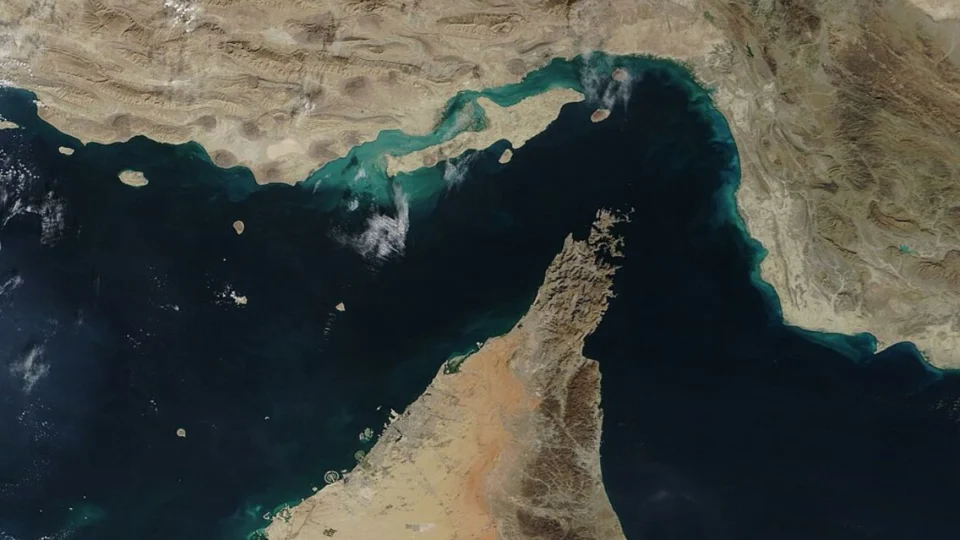
Tensions in the Middle East have escalated once again after Iran announced the seizure of multiple vessels in the strategically vital Strait of Hormuz. The move comes shortly after a ceasefire extension involving the United States and Israel, raising new concerns about stability in one of the world’s most important maritime routes.
The situation highlights ongoing geopolitical friction that could impact global trade, oil prices, and international security.
Iran Seizes Ships in Strategic Waterway
Iran confirmed on Wednesday that its naval forces detained two vessels in the Strait of Hormuz, a key shipping lane responsible for a significant portion of global oil transportation.
According to official statements, the ships — identified as MSC Francesca and Epaminodes — were allegedly operating without proper authorization and were accused of interfering with navigation systems.
The vessels were intercepted and escorted to Iranian waters.
Reports also suggest that additional ships may have been targeted, including a Greek-owned vessel that is now reportedly stranded near the Iranian coast.
Rising Regional Tensions
This incident comes just one day after an announcement of an extended ceasefire involving the United States, Israel, and Iran.
The ceasefire, which began earlier this year, had already been described as fragile. While the extension aims to maintain temporary stability, the latest developments suggest that underlying tensions remain unresolved.
🇺🇸 Ceasefire Extension and Global Reaction
The ceasefire extension was announced as a temporary measure to allow negotiations toward a long-term resolution. However, the situation on the ground appears far from stable.
Iran has publicly dismissed the announcement, arguing that ongoing maritime restrictions imposed by the United States continue to pressure the country economically and strategically.
Potential Impact on Global Markets
The Strait of Hormuz is one of the most critical oil transit chokepoints in the world.
Any disruption in this region could lead to:
- Rising oil prices
- Supply chain disruptions
- Increased global market volatility
Investors and governments are closely monitoring the situation as it develops.
What This Means for the World
While a ceasefire is technically in place, the latest actions signal that tensions between global powers remain high.
The seizure of ships could:
- Escalate military risks
- Affect international trade routes
- Trigger new diplomatic responses
Conclusion
The situation in the Strait of Hormuz serves as a reminder that geopolitical stability remains uncertain. Despite attempts to maintain peace through ceasefire agreements, incidents like this show how quickly tensions can rise again.
The coming days will be critical in determining whether the situation de-escalates—or moves toward further conflict.
Related Posts
Explosions heard in Iran’s Bandar Abbas and near the Strait of Hormuz — cause unknown, situation “under control” per Iranian state media
Three explosions were reported in the southern Iranian port city…

Cybercriminals Breach Vimeo Data and Demand Ransom to Prevent Leak
A cybercrime group has claimed responsibility for a data breach…
Donald Trump Speaks Out After Shooting Scare at Washington Dinner
U.S. President Donald Trump publicly addressed the security incident that…
