The United States has significantly expanded military intelligence operations near Cuba in recent months, raising speculation about growing regional tensions and possible strategic concerns involving the Caribbean.
According to aviation monitoring data and international reports, the US military has conducted at least 25 surveillance and reconnaissance flights near Cuban airspace since February. (gazetadopovo.com.br)
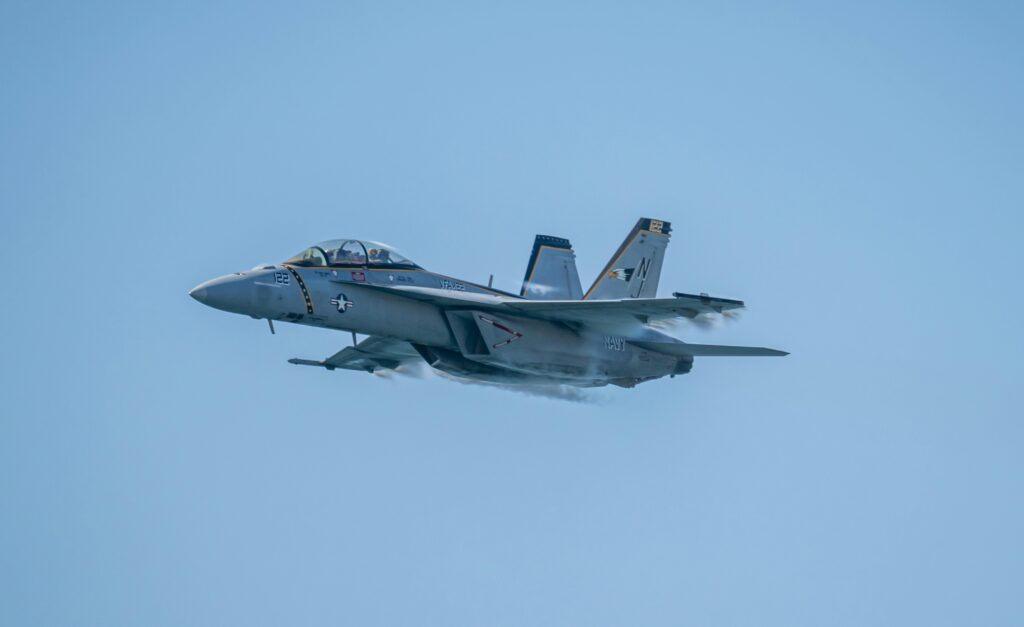
Advanced Surveillance Aircraft Detected
The operations reportedly involved some of America’s most sophisticated reconnaissance platforms, including:
- P-8A Poseidon aircraft,
- RC-135 Rivet Joint intelligence planes,
- and MQ-4C Triton surveillance drones.
Several flights were tracked close to the Cuban coastline, with aircraft operating near Havana and eastern regions of the island. Analysts say the pattern suggests ongoing electronic intelligence collection and strategic monitoring activities. (gazetadopovo.com.br)
Why the Flights Are Raising Attention
The increase in surveillance activity comes amid broader geopolitical tensions involving:
- US sanctions,
- military positioning,
- energy security,
- and growing instability across Latin America and the Middle East.
Security analysts note that large-scale intelligence flights are often used to monitor communications systems, radar networks, military infrastructure, and maritime activity.
Some experts believe Washington may be increasing monitoring capabilities due to concerns about foreign influence and strategic cooperation between Cuba and US rivals. (cnnbrasil.com.br)
Pentagon Remains Silent
So far, the Pentagon has not publicly detailed the objectives behind the recent operations.
However, military observers point out that similar reconnaissance patterns have previously occurred during periods of heightened diplomatic pressure involving countries such as Venezuela, Iran, and Russia.
The lack of official explanation has fueled speculation online and among geopolitical analysts about whether the US may be preparing additional strategic actions in the region.
Regional Stability Concerns Grow
The Caribbean remains strategically important for:
- shipping routes,
- military positioning,
- energy logistics,
- and US national security interests.
Cuban authorities continue rejecting suggestions that the country represents any military threat to the United States, while criticizing what they describe as aggressive surveillance behavior near the island.
Meanwhile, global investors and defense analysts continue monitoring developments closely as geopolitical instability increasingly affects international markets and security strategies.
Related Posts
Trump Team Reportedly Frustrated as U.S.-Cuba Negotiations Show Limited Progress
Negotiations involving the United States and Cuba are reportedly facing…

Creatina Integralmédica 300g: Vale a pena ou é só mais uma no mercado?
Se você quer ganhar força, melhorar desempenho e acelerar resultados…

Disney vs DeSantis: How a Political Battle Delayed Years of Theme Park Expansion
A behind-the-scenes legal fight between Disney and Florida Governor Ron…
