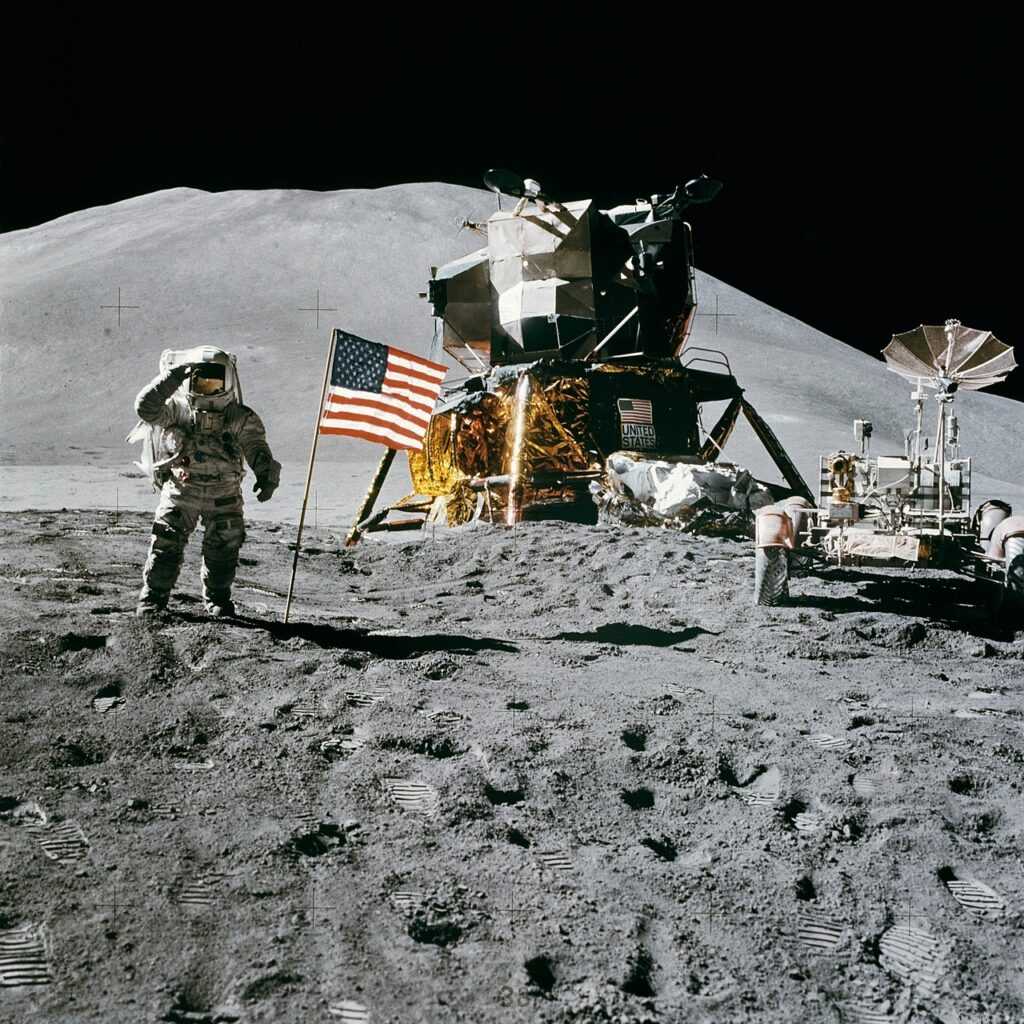
At first glance, it sounds alarming: NASA wants to start a fire on the Moon.
But this isn’t science fiction—or a reckless experiment. It’s actually one of the most important safety tests for the future of space exploration.
As missions to the Moon become more frequent under programs like Artemis, understanding how fire behaves outside Earth is becoming a critical priority.
Why NASA Needs to Study Fire on the Moon
Fire behaves very differently in space compared to Earth.
Here on Earth:
- Hot air rises
- Flames flicker upward
- Oxygen feeds combustion in predictable patterns
On the Moon, things change dramatically:
- Gravity is about 1/6 of Earth’s
- Airflow behaves differently
- Heat does not dissipate the same way
This means fire could:
- Burn slower but more persistently
- Spread in unexpected directions
- Be harder to detect and extinguish
For astronauts living in enclosed environments, this risk is serious.
The FM2 Experiment Explained
NASA’s project is called Flammability of Materials on the Moon (FM2).
This experiment will:
- Ignite controlled samples of materials
- Monitor flame behavior using sensors and cameras
- Analyze how combustion evolves over time
Unlike previous tests conducted in microgravity (like on the ISS), this experiment will happen in a real lunar environment.
Safety First: No Risk to the Moon
Before you imagine flames spreading across the lunar surface—relax.
This experiment will be:
- Conducted inside a sealed chamber
- Fully controlled remotely
- Designed to prevent any external impact
There is zero risk of the fire spreading outside the test unit.
Why This Matters for Future Moon Bases
NASA is planning long-term human presence on the Moon.
That includes:
- Lunar habitats
- Research stations
- Extended astronaut missions
Fire is one of the biggest dangers in closed environments.
A small flame in space can quickly become catastrophic if not properly understood.
This research will help:
- Develop fire-resistant materials
- Improve emergency response systems
- Design safer living environments
The Bigger Picture: Space Safety
This experiment is part of a larger effort to make space exploration sustainable.
As private companies and governments invest billions into lunar missions, safety becomes non-negotiable.
Understanding fire behavior is just one piece of the puzzle—but a crucial one.
Could This Impact Future Technology?
Yes and not just in space.
Research like this often leads to innovations on Earth, including:
- Better fire-resistant materials
- Improved safety standards
- Advanced engineering solutions
What starts on the Moon can eventually improve life here on Earth.
Final Thoughts
NASA isn’t “starting a fire on the Moon” for spectacle.
It’s preparing for the future of human space exploration.
As strange as it sounds, this experiment could be the difference between safe missions—and dangerous ones.
Related Posts

Knicks take Game 1 of the NBA Finals — Brunson drops 30, KAT dominates inside, Wembanyama can’t close it alone
New York took command early in San Antonio, surged in…
U.S. Releases Second Batch of Secret UFO Files With New Videos and Military Reports
The United States government has released a second batch of…

Review: Interruptor Smart Positivo Casa Inteligente Vale a Pena em?
Se você quer começar a transformar sua casa em uma…
