Kevin Warsh is preparing ambitious reforms for the Federal Reserve as he moves closer to officially becoming the next Fed chair, but economists warn that major results may take years to fully materialize.
Warsh, nominated by US President Donald Trump, has been signaling significant changes to how the Federal Reserve manages interest rates, inflation analysis, and communication with financial markets.
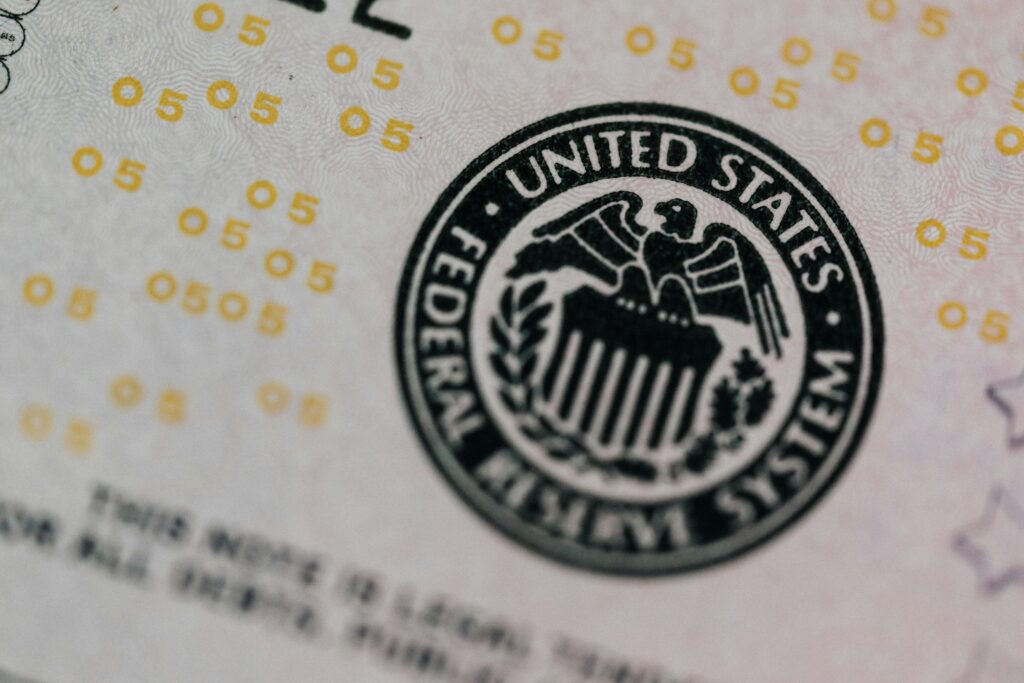
Warsh Wants Major Changes Inside the Fed
According to analysts and recent statements, Warsh plans to:
- reduce the Federal Reserve’s market intervention role,
- review inflation measurement models,
- limit excessive central bank communication,
- and restructure key economic projection tools used by policymakers.
He has also criticized the massive expansion of the Fed’s balance sheet over recent years and argues that current monetary policy tools may distort financial markets over the long term.
Trump Pressure Creates Immediate Challenge
One of Warsh’s biggest early challenges will be balancing pressure from Trump for lower interest rates while inflation in the United States remains above the Fed’s 2% target.
The US unemployment rate also remains relatively low, limiting the central bank’s flexibility for aggressive rate cuts.
Financial markets are now closely watching whether Warsh will align more directly with Trump’s economic agenda or preserve the Federal Reserve’s traditional independence.
Markets Watching for Policy Direction
Investors believe Warsh’s leadership could strongly influence:
- US interest rates,
- stock markets,
- bond yields,
- the dollar,
- and global liquidity conditions.
Some analysts see Warsh as more open to structural reforms and less supportive of prolonged market stimulus policies compared to previous Fed leadership.
Why Results May Take Time
Despite the ambitious plans, experts warn that changing the Federal Reserve’s internal strategy is a slow and politically sensitive process.
Most monetary policy decisions require broad consensus among members of the Federal Open Market Committee, making rapid transformations difficult.
Economists also note that:
- inflation remains elevated,
- geopolitical tensions continue pressuring energy prices,
- and uncertainty surrounding artificial intelligence and productivity growth complicates long-term economic forecasting.
Global Financial Impact Could Be Significant
Because the Federal Reserve plays a central role in the global financial system, any major shift in US monetary policy could affect economies worldwide.
Countries closely dependent on dollar liquidity and international investment flows may experience increased market volatility as investors adjust expectations regarding future US interest rates.
For now, Wall Street remains cautious while monitoring how aggressively Warsh may attempt to reshape America’s most powerful financial institution.
Related Posts

Human Worker Defeats AI Robot in 10-Hour Package Challenge Broadcast Live by Figure 03 AI
A surprising human-versus-machine challenge has gone viral after a worker…

AI Could Be Key to Solving the Global Antibiotic Resistance Crisis, Experts Say
A growing global health threat—antimicrobial resistance—is reaching a critical point,…

NATO Evaluates Possible Strait of Hormuz Mission to Protect Global Oil Flow
NATO is reportedly evaluating a possible international mission in the…
