Iran has indicated that safe navigation through the Strait of Hormuz could soon be restored—but only if what it calls “US threats” come to an end, marking a potential turning point in one of the world’s most critical geopolitical crises.
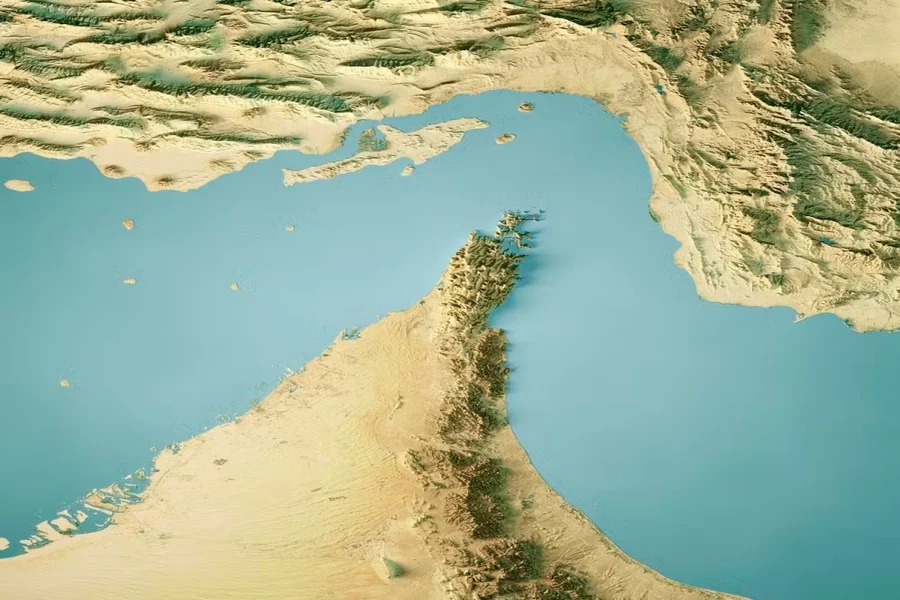
In an official statement, Iran’s Revolutionary Guards Navy said that secure and stable transit in the region would be possible under new procedures, provided external military pressure decreases.
Conditional Return to Safe Shipping
According to Iranian authorities, new navigation protocols are being prepared to regulate vessel movement through the strategic waterway. However, details about these procedures have not yet been disclosed.
Officials emphasized that cooperation with Iranian regulations would be essential for ensuring safe passage, signaling a shift toward tighter control over maritime traffic.
A Critical Global Chokepoint
The Strait of Hormuz is one of the most important energy corridors in the world, responsible for roughly 20% of global oil trade.
Since the escalation of conflict in early 2026, shipping activity in the region has been severely disrupted, with vessels stranded and global supply chains under pressure.
Ongoing Tensions Between US and Iran
The statement comes shortly after the United States paused its naval escort operation aimed at protecting commercial shipping routes. The pause is seen as part of broader diplomatic efforts to reduce tensions and potentially reach an agreement.
Despite this, military presence and mutual accusations remain high, with both sides blaming each other for instability in the region.
Recent incidents, including attacks on vessels and restricted navigation, highlight how fragile the situation remains.
Market and Global Impact
Any improvement in security in the Strait of Hormuz could have immediate effects on global markets, particularly oil prices and shipping costs.
Investors are closely watching developments, as even small signs of de-escalation could stabilize energy markets and reduce volatility.
Related Posts
US Military Conducts 25 Intelligence Flights Near Cuba Amid Rising Tensions With Havana
The United States has significantly expanded military intelligence operations near…
Iran President Rejects US Demands as “Unrealistic” Amid Escalating Strait of Hormuz Crisis
Iran’s president has sharply criticized recent demands from the United…

Bitcoin Falls Below $80K as Middle East Tensions and US Payroll Data Shake Crypto Markets
Bitcoin slipped below the critical $80,000 level on Friday as…
