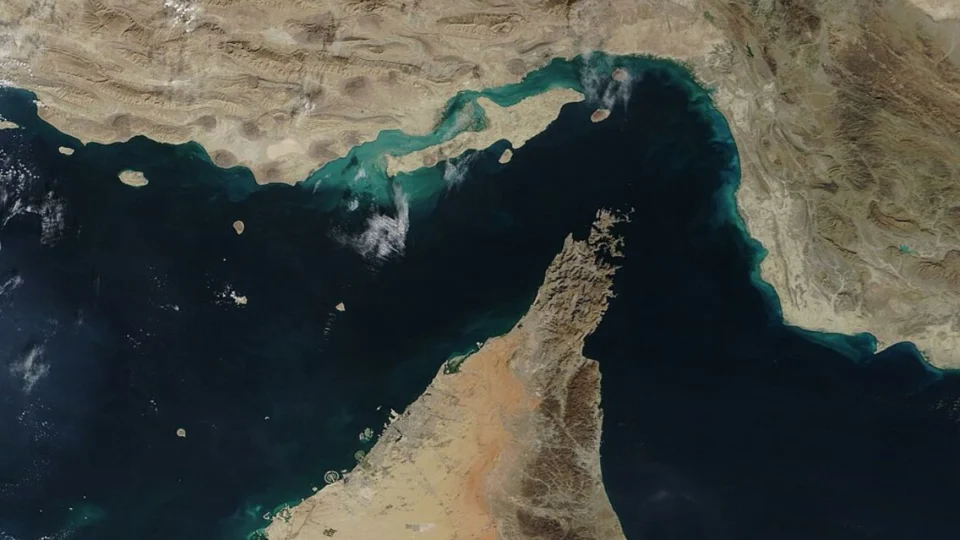
Three explosions were reported in the southern Iranian port city of Bandar Abbas on Monday morning, with additional blasts reported near the coastal towns of Sirik and Jask close to the strategic waterway. Iran’s Mehr agency said the situation was under control. No official explanation has been provided. Israel denied involvement.
What happened
Explosions were heard in Iran’s Bandar Abbas city and coastal areas near the Strait of Hormuz on Monday, Iranian media reported, adding that the cause was unknown. Iran’s semi-official Tasnim News Agency reported that three explosions were heard in Bandar Abbas, while Fars News Agency said that similar sounds were detected near the coastal towns of Sirik and Jask, both located near the vital maritime corridor.
Iran’s Mehr news agency said the situation in Bandar Abbas was under control and there was no cause for concern after the explosions were heard east of the city, and that official sources had not yet commented. No casualties were immediately reported, and no official Iranian government body claimed or attributed responsibility for the blasts at the time of publication.
Key confirmed facts — as of Monday morning, May 25
Locations affected Bandar Abbas (3 explosions), Sirik, Jask — all in Hormozgan province, southern Iran
Time Monday morning, May 25, 2026 (local time)
Cause Unknown — no official explanation from Iranian government
Iranian state media Mehr: “situation under control, no cause for concern” · Tasnim: 3 explosions confirmed · Fars: similar sounds near Sirik and Jask
Casualties None reported
Israel’s position Denied involvement
U.S. responseNo immediate comment from Pentagon or CENTCOM
⚠️ Unverified situation: The cause of the explosions has not been officially confirmed by any government. Iranian state media described the situation as under control. Treat any specific attribution — Israeli airstrike, U.S. strike, industrial accident, or internal military activity — as unconfirmed until official statements are issued.
Why these locations matter
Bandar Abbas is Iran’s most strategically important port city. It serves as the main commercial and naval hub on the Strait of Hormuz — home to Iran’s southern naval command, major container port facilities, and the primary logistics base for IRGC naval operations in the Persian Gulf. It sits approximately 50 kilometres northwest of the strait’s narrowest point. Sirik and Jask are smaller coastal communities further east along the Hormozgan coast, closer to the Gulf of Oman. Jask, in particular, has been the site of significant Iranian military infrastructure investment in recent years — including a new naval base opened in 2021 — specifically to provide a strategic position outside the strait itself.
Strategic significance of affected locations
Bandar AbbasIran’s primary southern port and IRGC naval HQ. ~50km from Hormuz narrowest point. Major logistics hub for all Persian Gulf operations.
Sirik Coastal town east of Bandar Abbas — previously targeted by U.S. forces during Project Freedom engagements on May 8.
Jask Easternmost Iranian naval base on Gulf of Oman — outside the strait itself, built to provide strategic depth. Previously targeted in Hormuz campaign.
Previous strikes on the same areas
The locations named in Monday’s reports are not new targets. On May 8, U.S. CENTCOM confirmed that American forces had struck Iranian military facilities on the coasts of Qeshm Island, Bandar Khamir, and Sirik — described at the time as missile and drone launch sites, command and control nodes, and intelligence facilities — following what CENTCOM characterized as unprovoked Iranian attacks on U.S. warships. Jask has also been struck in earlier rounds of the U.S. aerial campaign that began on March 19 specifically to reopen the strait to commercial shipping.
The recurrence of reported blasts in the same coastal corridor — Bandar Abbas, Sirik, Jask — is consistent with continued U.S. or Israeli targeting of Iran’s Hormuz-area military infrastructure, though it is equally consistent with secondary explosions from stored ordnance, industrial incidents at port facilities, or Iranian military exercises. Without official confirmation, all of those remain plausible explanations.
The diplomatic context — Day 86
Monday’s explosions come at a particularly sensitive moment in U.S.-Iran diplomacy. Trump’s 14-point deal proposal remains on the table, with Tehran having neither formally accepted nor rejected it after weeks of review through Pakistani mediators. The most recent public signal from Tehran — Foreign Minister Araghchi’s statement last week that Iran “will never bow to pressure” — suggested the gap between the two sides remains wide. At the same time, Iran’s parliament speaker Qalibaf has continued to describe the moment as a potential turning point in the world order, suggesting that some in Tehran’s leadership remain open to a negotiated exit from the crisis.
Any escalation in the Bandar Abbas area — particularly if Monday’s blasts are confirmed as a U.S. or Israeli strike — would further complicate the already fragile diplomatic track. Markets reacted immediately: oil prices ticked up modestly on the reports, reflecting the market’s continuing sensitivity to any event that might delay the reopening of the strait.
Related Posts

Wall Street Futures Fall as Investors Monitor Iran War Negotiations and Oil Market Volatility
US stock futures moved lower on Thursday as investors closely…
New York Police Tightens Security After Shooting Incident at Trump Dinner
Authorities in New York have increased security measures following the…
NYPD investigates two separate groups caught on video entering and exiting Brooklyn sewers in the middle of the night — motives unknown
Surveillance footage from two locations in Brooklyn captured more than…
