
Hisense 32″ QD4SR Hi-QLED Roku TV Review

Overview
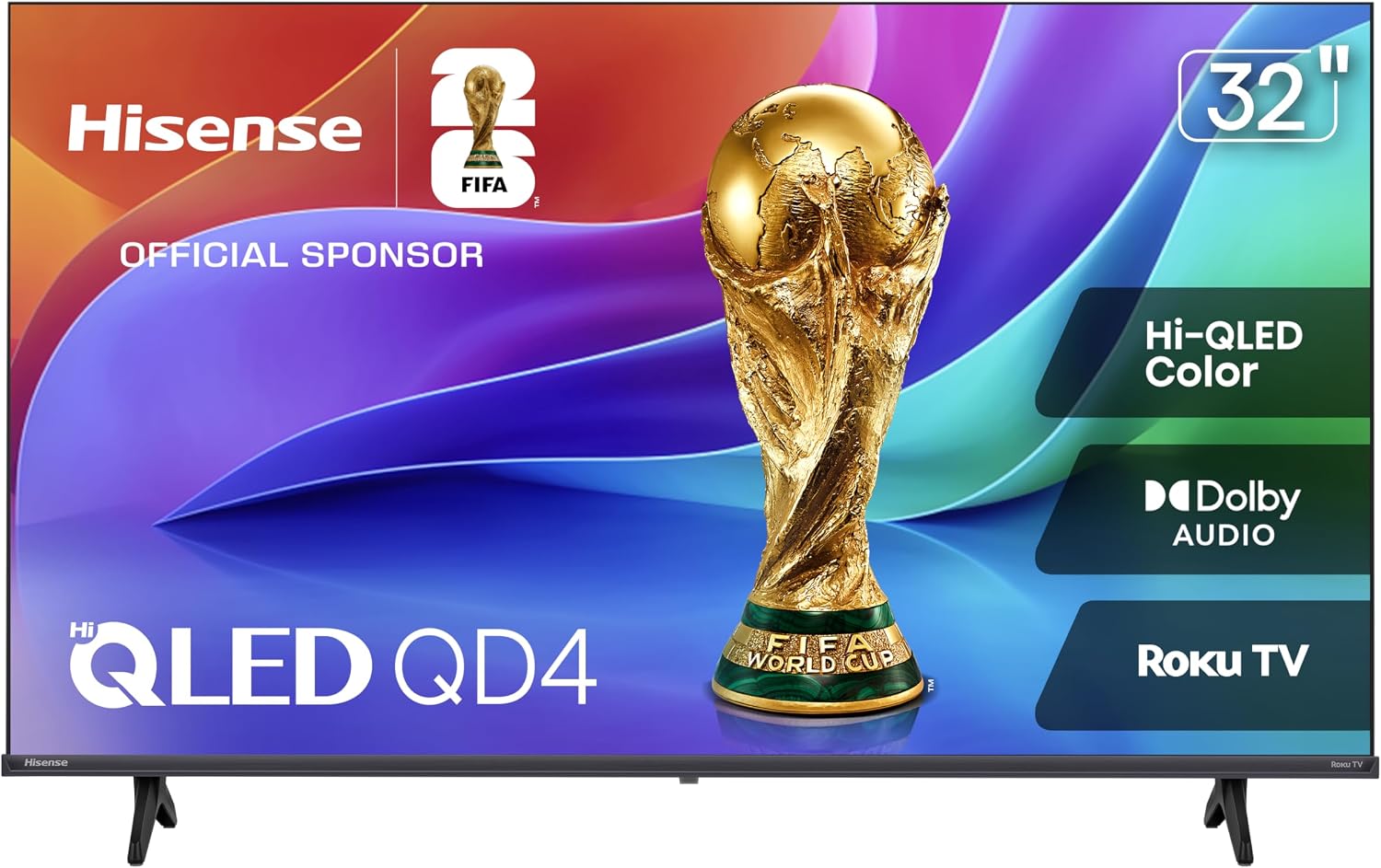
This review covers the Hisense 32-Inch Class QD4SR Series Hi-QLED Smart Roku TV, model 32QD4HSR (2026 Model). There’s one detail here that’s genuinely important to get right before anything else, because it’s easy to miss while scanning a product listing: this specific 32-inch model in the QD4SR series is a 720p HD television, not Full HD (1080p) — a real, meaningful distinction from Hisense’s own larger QD4SR models (40-inch and up), which do ship at 1080p. If sharpness and resolution are a priority for you, this is the single most important spec to confirm before buying, since the “QD4SR” naming is shared across resolution tiers depending on screen size.
Beyond resolution, the set uses Hisense’s Hi-QLED color technology on a direct-lit LED backlight, runs Roku’s smart TV platform natively, and includes Dolby Audio, Hisense’s Game Mode (claimed 16ms input lag), AI Sports Mode, and noise reduction processing, plus Alexa compatibility and AirPlay/Apple Home support.
Picture Quality: A Genuine Strength for a Budget Set
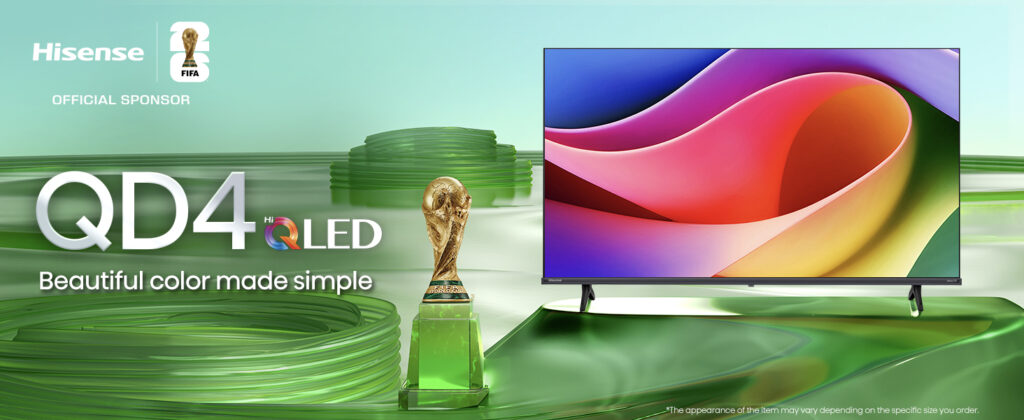
This is where the TV earns real, specific praise, and it’s worth explaining why rather than taking the marketing claims at face value. A dedicated hands-on review from PCVarge found the Hi-QLED display genuinely delivers a noticeably more vibrant and colorful picture than a typical budget LED TV in this price range, with good color punch that avoids looking excessively artificial or oversaturated — a real, meaningful differentiator, since QLED color technology isn’t something you’d normally expect to find on the cheapest tier of small TVs. The same review specifically praised how this benefits animated content and sports viewing, where color vibrancy makes a genuine, visible difference.
The Real Trade-Off: 720p Resolution
This is the most important, honest caveat in this entire review, and it deserves direct treatment rather than being buried in a spec sheet. PCVarge’s review was explicit that this remains the TV’s biggest compromise: while the 720p image looks perfectly acceptable at normal, typical viewing distances for a bedroom or kitchen-sized set, it genuinely lacks the sharpness of Full HD competitors in the same 32-inch class — the review specifically named the TCL 32S5K, which offers QLED technology and HDR at a sharper 1080p resolution, as a more detail-focused alternative worth considering if resolution matters more to you than this Hisense model’s particular color strengths. The practical, honest takeaway: if you’ll be sitting close to the screen, doing any detailed text-heavy work, or you’re simply particular about image sharpness, this resolution limitation is worth weighing seriously. If this is destined for a kitchen, bedroom, or casual secondary-room setup where you’re not sitting close and mainly want easy streaming with good color, it’s a more reasonable trade-off.
Smart Features and Software
Running Roku’s TV platform natively is a genuine, consistent strength across the broader Roku TV product category, and this model inherits that same simple, fast, intuitive interface that Roku TVs are broadly known for. Game Mode’s claimed 16ms input lag is a reasonable, budget-appropriate figure for casual gaming, though it’s worth noting this isn’t a TV marketed or built around serious competitive gaming performance — there’s no mention of higher refresh rates or variable refresh rate (VRR) support at this tier, consistent with what you’d expect from an entry-level 32-inch set.

Real, Practical Connectivity Limitations
This is worth flagging clearly, based on direct manufacturer Q&A responses on Best Buy’s listing for this same model. The 32QD4HSR includes three HDMI 1.4 ports (an older HDMI standard, adequate for basic streaming and console use but not built for higher-bandwidth needs), does not include an Ethernet port (Wi-Fi only for internet connectivity), and does not support built-in Bluetooth — Hisense’s own support team specifically recommended a different model (the 32H40G) for buyers who need Bluetooth connectivity. If wired internet reliability or Bluetooth audio/accessory pairing matters to your setup, these are real, confirmed limitations worth knowing before purchase, not omissions in the marketing copy.
A Genuine Point of Buyer Confusion Worth Flagging
This is a small but real, recurring point worth mentioning for transparency. At least one verified buyer review on Best Buy’s listing specifically noted they hadn’t realized the TV ran Roku’s smart platform before purchasing, and had actually wanted a simple TV tuner instead — a reminder that if you specifically want a basic, non-smart television or a different smart TV platform, it’s worth double-checking that “Roku TV” in the product name matches what you’re looking for, since it’s easy to skim past on a quick purchase.
Design
The set features a slim bezel design and full-array LED backlighting (direct-lit, as is typical at this price and size), giving it a reasonably modern, unobtrusive look for a budget-tier small TV.
How It Compares
Within its own specific niche — a compact, colorful, budget-friendly 32-inch smart TV — PCVarge’s review concluded the 32QD4HSR is a genuinely good choice specifically for buyers who prioritize attractive color and simple, easy streaming over maximum sharpness, positioning it well for use as a bedroom, kitchen, secondary, or casual gaming TV rather than a primary living room set. If resolution and sharpness are your top priority within this same size and price class, the review specifically pointed to the TCL 32S5K as a sharper, similarly QLED-equipped alternative worth cross-shopping.
Pros and Cons
Verdict
The Hisense 32″ QD4SR Hi-QLED Roku TV delivers something genuinely worth noting at its price: real, visible QLED color vibrancy that most budget TVs in this size class simply don’t offer, backed by the fast, well-regarded Roku smart TV interface. The honest, important trade-off is resolution — this specific 32-inch model tops out at 720p, not Full HD, which is a real limitation worth weighing against sharper competitors like the TCL 32S5K if detail and sharpness matter more to you than color vibrancy. Combined with the lack of Bluetooth and Ethernet, this is clearly, intentionally a budget-tier set built for a specific, well-defined role — a bedroom, kitchen, or secondary-room TV where color and easy streaming matter more than maximum picture detail or advanced connectivity. If that matches your use case, it’s a genuinely smart, well-reviewed pick for the price. If sharpness or wired connectivity are priorities, it’s worth cross-shopping sharper Full HD alternatives in the same size and price range first.

Related Posts
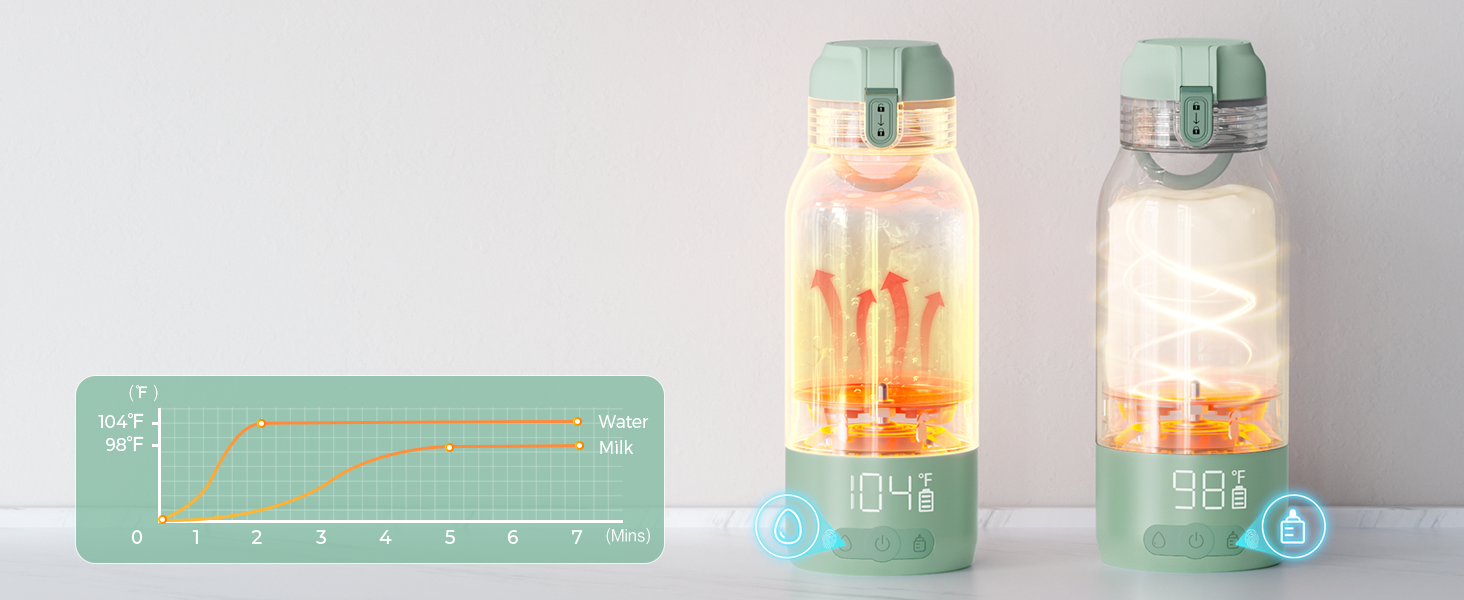
Momcozy Portable Milk Warmer Review (2026): The Best Travel Bottle Warmer for Busy Parents?
Wireless, fast-heating, and with a 17 oz capacity that can…

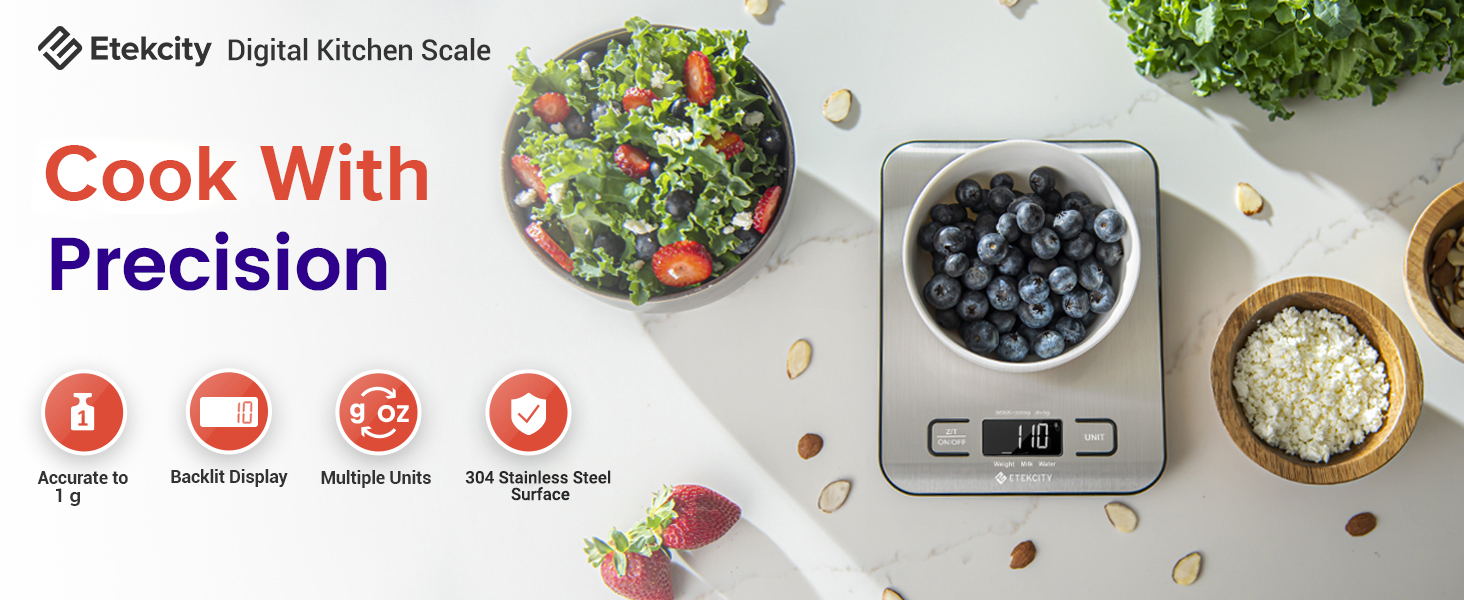
Etekcity Multifunction Kitchen Scale Review (2026): Solid Value, With a Few Caveats
The Etekcity stainless steel kitchen scale has spent years near…
