Review
Launched back in March 2017, the original Nintendo Switch is now firmly a legacy console — the Switch 2 has since arrived — but this Neon Blue/Neon Red version remains a strong seller, and for good reason: it pioneered the hybrid console format and still delivers a genuinely fun, versatile experience at a lower price than its successor.
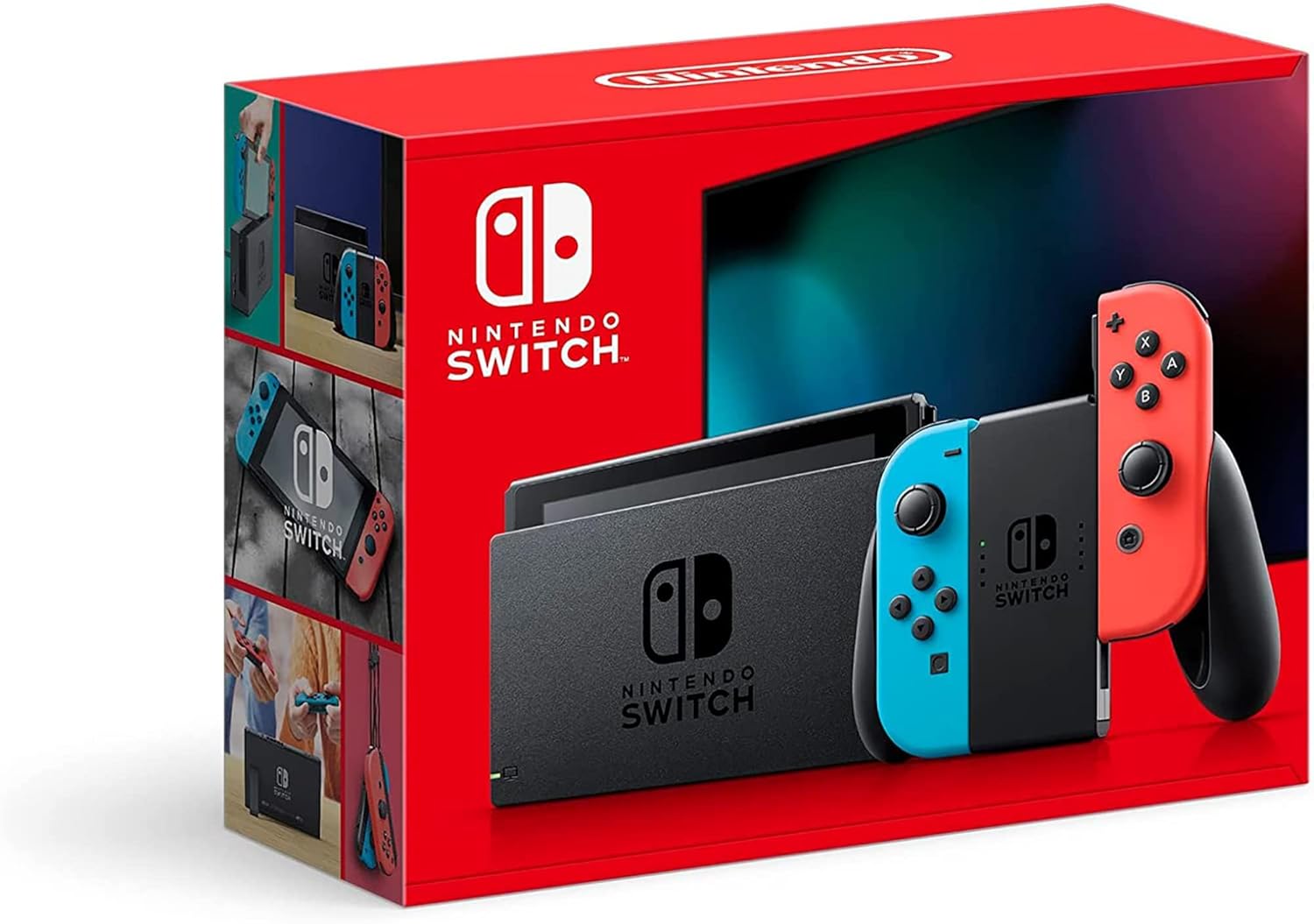
Hybrid Design — the core appeal
The defining feature is still the best reason to buy one. The console instantly transforms from a TV-connected home system into a portable handheld, letting you switch seamlessly between big-screen sessions and gaming on the go, with no loss of your save data or progress.
Joy-Con Controllers
The Neon Blue (left) and Neon Red (right) Joy-Cons aren’t just a cosmetic choice — each one functions as an independent controller, so two people can jump into local multiplayer without buying extra hardware. They attach to the console for handheld mode, slide into the included grip for a traditional controller feel, or detach entirely for motion-based and party games.
Display and Build
The console uses a 6.2-inch LCD touchscreen. Build quality across long-term reviews is consistently described as solid — the screen holds up well to regular handling, and the Joy-Cons, despite their compact size, feel sturdy and responsive in daily use. The dock is lightweight but secure, making TV-to-handheld transitions smooth.
Battery Life
Expect roughly 4.5 to 9 hours of playtime depending on the game — more demanding titles land at the lower end, while simpler or 2D games stretch well past that. It’s respectable for a console this age, though noticeably less than the newer Switch OLED or Switch 2.
Known Issues
It’s worth being upfront: some long-term owners report occasional connectivity or docking issues over years of use — not universal, but a recurring theme in review threads. Given the console’s age, this is worth factoring in, especially if buying new stock versus refurbished.
Game Library and Audience
This is where the Switch still shines. Its library spans family-friendly classics, cooperative adventures, and competitive party games, making it a genuinely strong pick for households, casual gamers, and anyone prioritizing game selection over cutting-edge specs.
Pros and Cons
Verdict
The original Nintendo Switch (Neon Blue/Red) is still a smart buy for budget-conscious or family gaming — especially if the price gap versus the Switch 2 matters, or you mainly want access to the console’s massive existing game library. If you want the latest hardware, better performance, and long-term software support, the Switch 2 is the safer long-term investment — but as a value pick in 2026, the original Switch still holds up.
Related Posts

Elite Gourmet ESB-301BF Electric Burner Review: A Solid, Simple Hot Plate for the Right Job
Elite Gourmet ESB-301BF Electric Burner Review Overview This review covers…
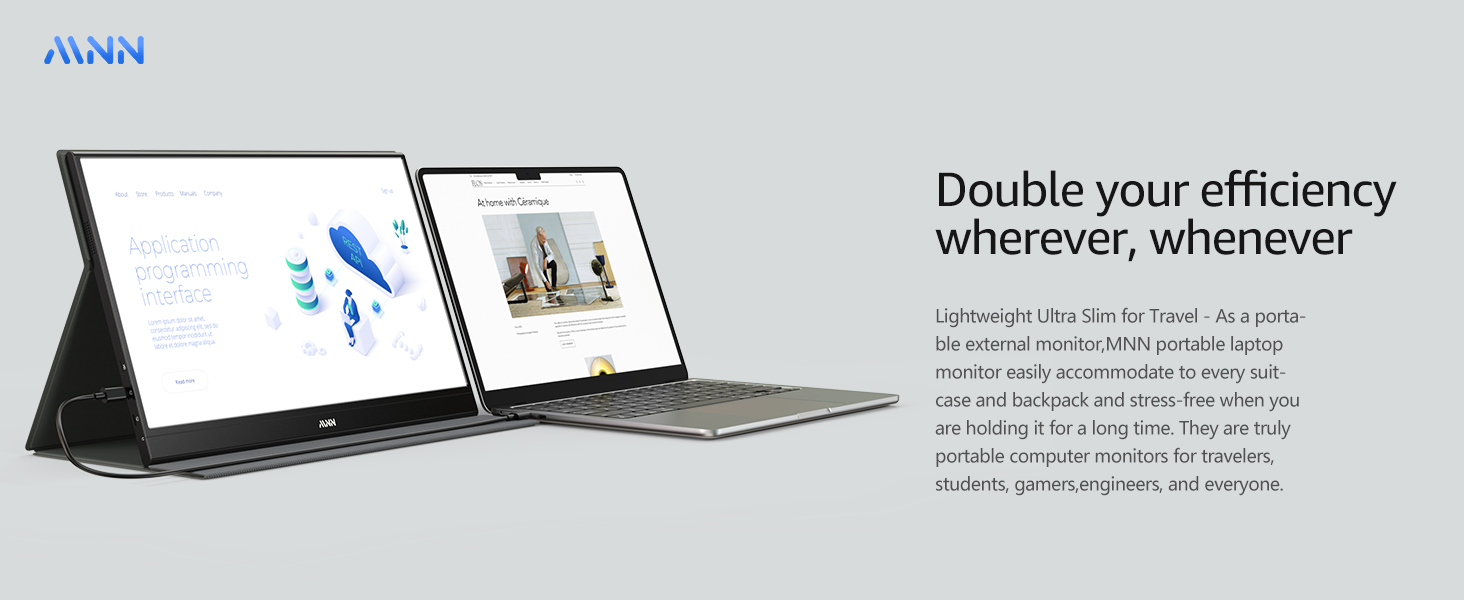
MNN 15.6″ Portable Monitor Review: The Budget Second Screen for Travel and Work
Review The MNN M156F01 is a budget portable monitor that's…