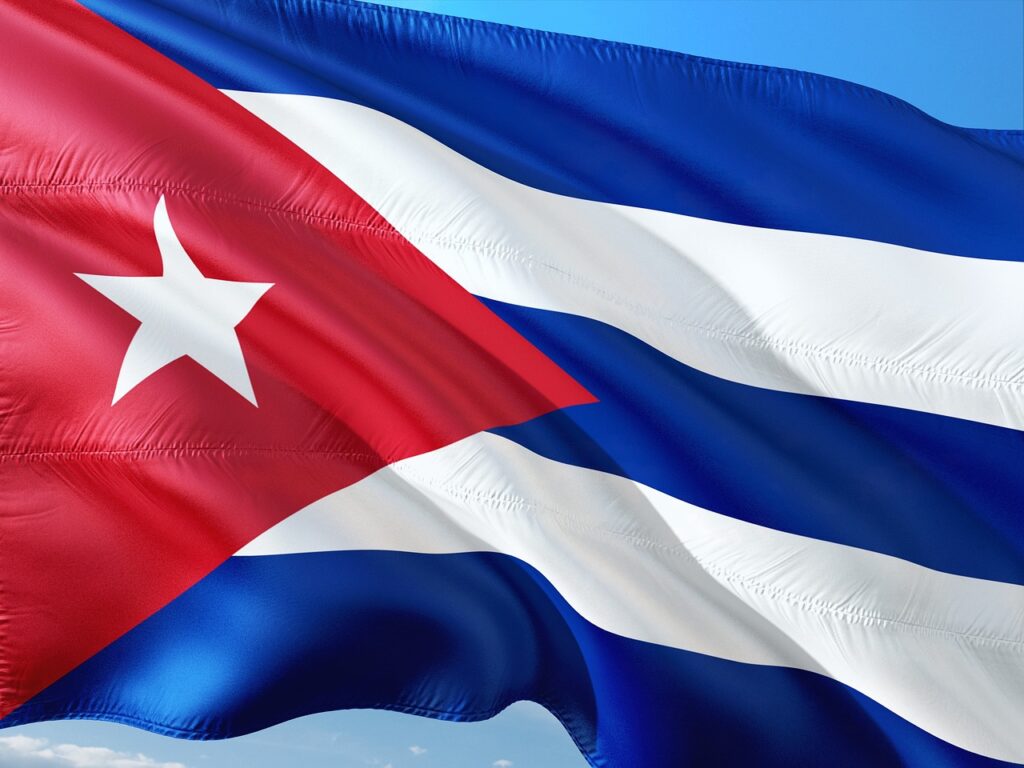
The United States government has intensified pressure on Cuba through new diplomatic and economic measures as tensions between Washington and Havana continue escalating.
According to reports, the latest actions involve:
- expanded sanctions,
- financial restrictions,
- and increased scrutiny targeting individuals connected to the Cuban government.
The move comes amid growing concerns inside the United States regarding:
- human rights issues,
- political repression,
- and alleged intelligence operations linked to Cuban authorities.
American officials stated that the new measures are designed to:
- weaken financial support networks,
- pressure Cuban leadership,
- and increase diplomatic isolation.
The Biden administration had previously attempted limited diplomatic reengagement with Cuba in earlier years, but relations deteriorated again following:
- political crackdowns,
- protests inside Cuba,
- and accusations involving regional security concerns.
Recent investigations and legal developments also placed renewed attention on Cuban leadership figures, increasing pressure from lawmakers and intelligence agencies in Washington.
The latest measures reportedly affect:
- financial transactions,
- international partnerships,
- and access to specific American markets and services.
Analysts believe the renewed pressure reflects broader geopolitical tensions involving:
- Latin America,
- China,
- Russia,
- and U.S. regional influence.
Cuba has maintained closer economic and political relations with:
- Russia,
- China,
- Venezuela,
- and Iran
while facing decades of American sanctions and trade restrictions.
Cuban officials criticized the new actions, describing them as:
- economic aggression,
- political interference,
- and an attempt to destabilize the country.
The Cuban government also accused the United States of worsening:
- economic hardship,
- shortages,
- and financial instability
for ordinary citizens living on the island.
Meanwhile, some U.S. lawmakers defended the tougher approach, arguing that stronger sanctions are necessary to:
- pressure the Cuban regime,
- support dissident movements,
- and defend democratic values.
Human rights organizations continue monitoring the situation closely amid reports involving:
- arrests of activists,
- internet restrictions,
- and political intimidation.
The growing diplomatic conflict also raises concerns regarding:
- migration,
- regional security,
- tourism,
- and future trade relations between the two countries.
Experts warn that continued escalation could further complicate:
- negotiations,
- humanitarian cooperation,
- and economic recovery efforts inside Cuba.
Despite the tensions, analysts say both governments may eventually seek limited dialogue on issues involving:
- migration control,
- security coordination,
- and humanitarian matters.
For now, however, relations between the United States and Cuba appear to be entering another period of heightened political confrontation.
Related Posts
Trump proposes framework to reopen the Strait of Hormuz while preserving naval blockade on Iran
Donald Trump has outlined a new approach to restoring maritime…
Fed Could Face Unusual Leadership Scenario as Powell Weighs Staying After Term Ends
The future of the Federal Reserve leadership is uncertain as…

Creatina Integralmédica 300g: Vale a pena ou é só mais uma no mercado?
Se você quer ganhar força, melhorar desempenho e acelerar resultados…
