Smartphone cameras have reached a level where incredible photos can be captured without:
- Lightroom,
- Photoshop,
- filters,
- or manual adjustments.
In 2026, three devices stand out for delivering:
- stunning automatic photography,
- powerful AI image processing,
- excellent night shots,
- professional-quality video,
- and social-media-ready photos straight from the camera.
Technical Comparison
S26 Ultra |
iPhone 17 Pro |
|
|
|---|---|---|---|
| Main Sensor | 200MP | 48MP | 50MP |
| Sensor Size | 1/1.3″ | 1/1.28″ | 1/1.31″ |
| Optical Zoom | 100x | 5x Tetraprism | 5x |
| Night Photography | Excellent | Very Good | Exceptional |
| Color Without Editing | Vibrant (AI) | Natural | Natural + AI |
| Video | 8K | ProRes 4K | 4K |
| Camera AI | Galaxy AI | Moderate | Google AI |
| Ease of Use | Medium | Easy | Extremely Easy |
Which One Should You Buy?
Best Overall
Samsung Galaxy S26 Ultra
The most versatile smartphone camera currently available.
It delivers:
- incredible zoom,
- vibrant photography,
- strong low-light performance,
- and excellent results in almost every scenario.
Easiest to Use
Google Pixel 10 Pro XL
Perfect for users who simply want to:
- pull out the phone,
- point,
- and shoot.
Google’s AI handles nearly everything automatically.
Best for Video
iPhone 17 Pro
Still the favorite choice for:
- creators,
- mobile filmmakers,
- and professional video users.
Its ProRes 4K recording and stabilization remain among the best in the smartphone market.
Samsung Galaxy S26 Ultra — The Most Complete Camera Phone
The Galaxy S26 Ultra continues dominating in overall versatility.
Samsung heavily focused on:
• a massive 200MP sensor,
• advanced AI photography,
• extreme zoom capabilities,
• and aggressive image processing.
The result is photos that:
• instantly stand out,
• look vibrant,
• detailed,
• and ready for social media without editing.
Highlights
• 200MP main camera
• Up to 100x zoom
• Galaxy AI photography tools
• 8K video recording
• Excellent for travel and action shots
Best for:
✅ Users wanting eye-catching photos
✅ Extreme zoom photography
✅ Vibrant social media images
✅ All-around camera performance
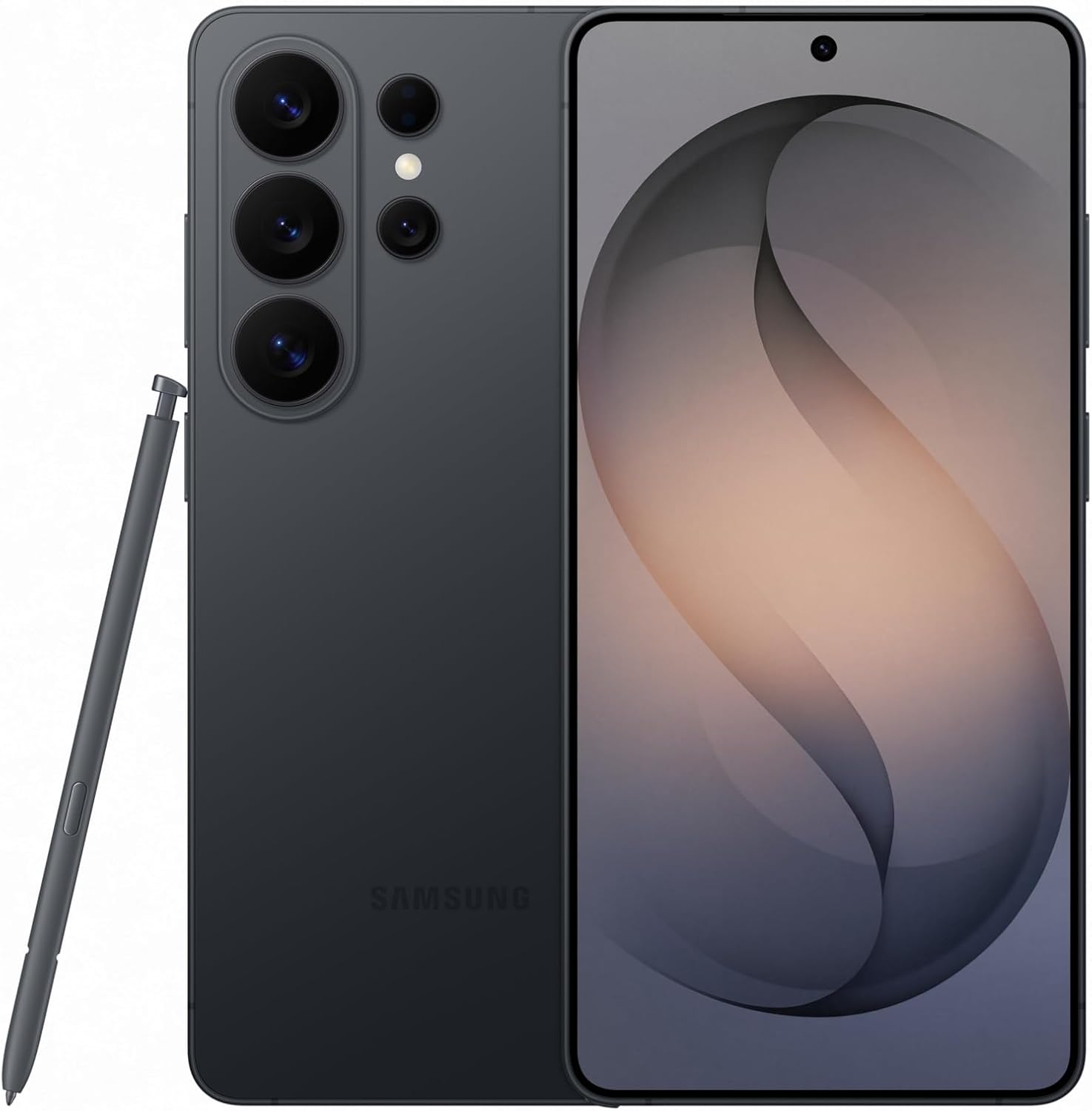
PRIVACY DISPLAY: Automatically hide your screen from those beside you. The built-in privacy display can be preset¹ to turn on when receiving notifications, typing passwords, or using specific apps
iPhone 17 Pro — The Video King<br>
Apple continues focusing on:
• consistency,
• professional video quality,
• and highly natural color science.
The iPhone 17 Pro produces images that feel less artificially processed than many competitors, making it especially popular among:
• content creators,
• photographers,
• and Apple ecosystem users.
Highlights
• 48MP sensor
• 5x Tetraprism optical zoom
• ProRes 4K recording
• Excellent stabilization
• Extremely natural skin tones
Best for:
✅ Professional video creators
✅ Portrait photography
✅ TikTok & Instagram creators
✅ Apple ecosystem users
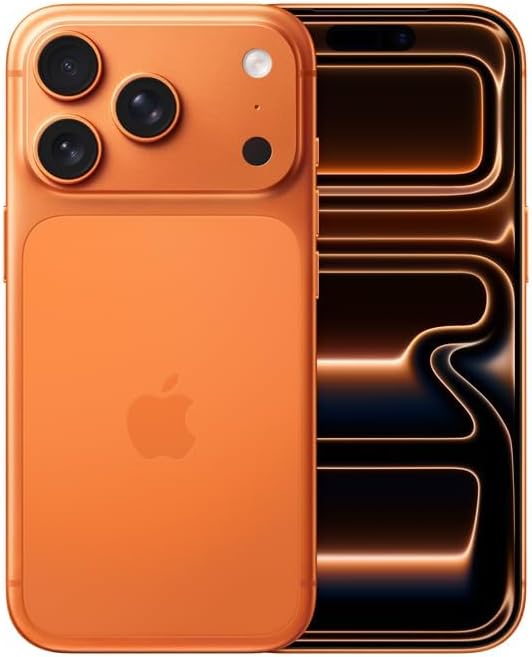
This phone is unlocked and compatible with any carrier of choice on GSM and CDMA networks (e.g. AT&T, T-Mobile, Sprint, Verizon, US Cellular, Cricket, Metro, Tracfone, Mint Mobile, etc.).
Google Pixel 10 Pro XL
The Pixel 10 Pro XL remains the easiest smartphone camera to use.
Google’s computational photography AI automatically handles:
• HDR,
• white balance,
• sharpness,
• exposure,
• and night photography.
It’s the ultimate:
• “point-and-shoot” smartphone.
Highlights
• Advanced Night Sight mode
• Google AI image processing
• Outstanding low-light photography
• Natural-looking photos
• Extremely simple to use
Best for:
✅ Casual users
✅ Night photography
✅ Automatic photography
✅ Natural image processing
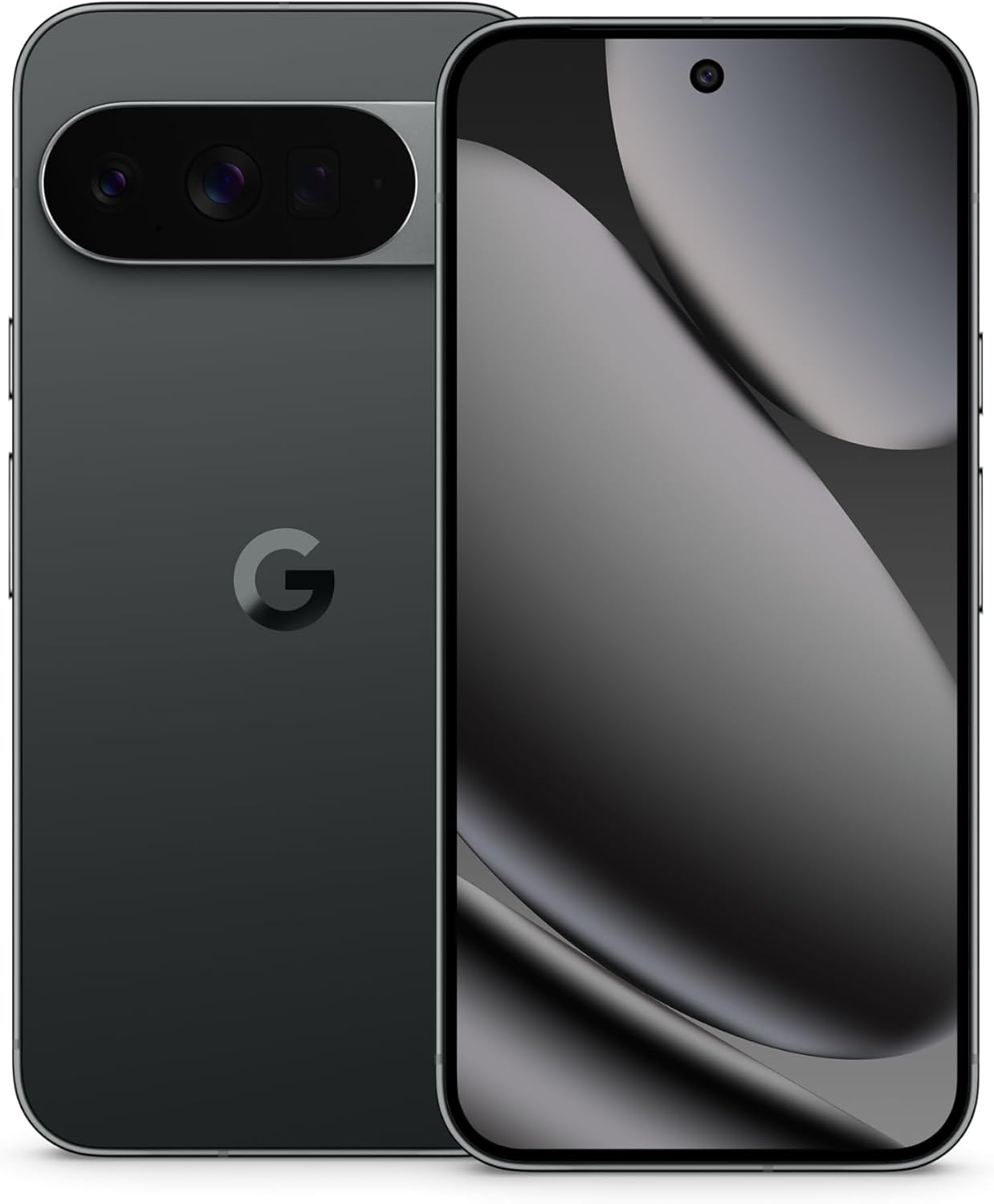
Google Pixel 10 Pro XL is the ultimate Pixel experience, featuring advanced AI – Gemini, unbelievable camera quality, impeccable design, and the next-gen Google Tensor G5 chip[1]
Final Verdict
If you want:
- the most visually impressive photos → Galaxy S26 Ultra
- the easiest camera experience → Pixel 10 Pro XL
- professional mobile video → iPhone 17 Pro
All three deliver excellent photography without editing, but each dominates a different category.
In 2026, smartphone photography is becoming increasingly driven by:
- artificial intelligence,
- computational photography,
- and software processing
even more than pure megapixel numbers.
Related Posts

Shark AV2501AE vs Roborock Q7 M5+ (Vacuum + Mop)
Overview Shark AV2501AE → Focus on automation and low maintenance…
Xbox Series X vs PS5 (2026): Which Console Should You Buy?
Both consoles deliver native 4K/60fps gaming and share most multiplatform…
