
A drone attack sparked a fire at an electrical generator on the perimeter of the Barakah Nuclear Power Plant in Abu Dhabi’s al-Dhafra region on Sunday — the first time the facility has been targeted since the Iran war began in February. No group claimed responsibility. The IAEA expressed grave concern. U.S.-Iran negotiations remain stalled.
What happened
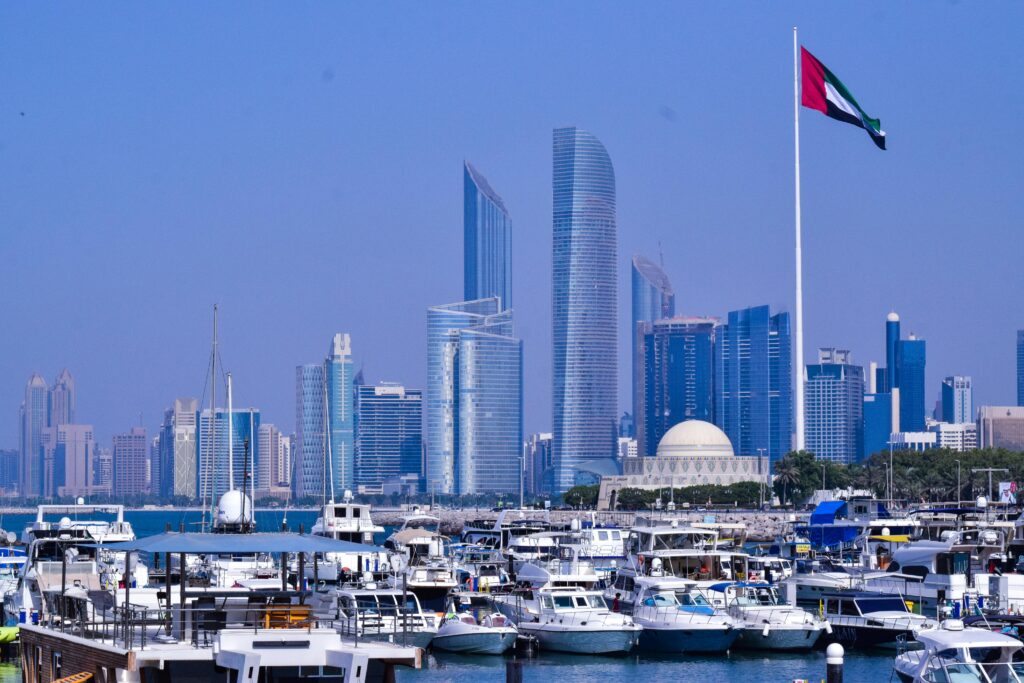
A drone strike hit the Barakah Nuclear Power Plant in the al-Dhafra region of Abu Dhabi, United Arab Emirates, on Sunday morning, May 17, sparking a fire at an electrical generator located outside the perimeter of the plant’s main reactor structures. The attack was confirmed by the Abu Dhabi Media Authority and the UAE’s Federal Authority for Nuclear Regulation. No deaths or injuries were reported, and the UAE news agency said the fire broke out in an electrical generator outside the perimeter of the power plant.
There were no reports of injuries or radiological release, but the strike highlighted the risk of renewed war as the Iran ceasefire remains tenuous. The International Atomic Energy Agency issued a statement expressing grave concern over the attack and said it was in contact with UAE authorities to assess the situation. The IAEA said it had received assurances from Abu Dhabi that there was no damage to the reactors themselves and no release of radioactive material.
Key facts
TargetBarakah Nuclear Power Plant, al-Dhafra region, Abu Dhabi, UAE
DateSunday, May 17, 2026
Attack typeDrone strike — hit electrical generator on plant perimeter
CasualtiesNone reported
Radiation releaseNone confirmed — reactors not directly damaged
ResponsibilityNo group immediately claimed the attack
UAE attributionNo public blame assigned by UAE authorities
IAEA response”Grave concern” — in contact with UAE authorities
Historical significanceFirst attack on Barakah since the Iran war began February 28
✅ No radiological risk confirmed: UAE authorities and the IAEA confirmed there was no damage to the plant’s four reactor units and no release of radioactive material. The fire was contained to an external electrical generator outside the main security perimeter.
What Barakah is — and why it matters
The Barakah Nuclear Power Plant is the Arab world’s first operational nuclear power station, located in the desert approximately 270 kilometres west of Abu Dhabi city. Built and operated in partnership with Korea Electric Power Corporation, it houses four APR-1400 pressurized water reactors. The first reactor began commercial operations in 2021, and all four units are now operational, supplying approximately 25 percent of the UAE’s electricity needs. The plant is one of the most strategically significant pieces of infrastructure in the Gulf — both for the UAE’s energy security and as a symbol of the country’s technological and economic ambitions.
The drone strike on the Barakah plant is the first time it has been attacked since the Iran war started. Iran-linked forces, including the Houthis in Yemen, had previously threatened the facility — in 2017, the Houthis claimed to have fired a cruise missile toward Barakah, a report the UAE denied. The UAE’s nuclear regulator had previously stated the plant was “well protected” against security threats, with the sensitive reactor components shielded by multiple layers of physical and cybersecurity. Sunday’s attack, which struck an external generator rather than the reactor units themselves, suggests those inner defenses held — but the fact that a drone reached the plant perimeter at all will prompt a significant review of the facility’s air defense coverage.
No responsibility claimed — Iran the primary suspect
No group immediately claimed responsibility and the UAE did not publicly blame anyone. However, tensions with Iran have escalated sharply in recent weeks following repeated drone and missile attacks linked to the wider regional conflict. Iran has carried out multiple waves of strikes against UAE territory since the war began on February 28, with the UAE Ministry of Defense previously confirming the interception of ballistic missiles, cruise missiles, and drones in April and early May. Sunday’s attack on Barakah represents a significant escalation from those previous incidents, both in terms of the symbolic value of the target and the potential consequences had the strike been more precise.
The broader context: negotiations stalled, ceasefire under maximum strain
The U.S. and Iran seemed far apart on a deal to end weeks of war and reopen the crucial Strait of Hormuz on Sunday, as the drone attack sparked a fire at the UAE nuclear plant, spotlighting the risks of a fragile ceasefire. Iran’s semi-official Fars news agency reported that Washington has set five main conditions for a peace deal — including the transfer of Iran’s enriched uranium stockpile to the United States, zero compensation payments to Tehran, and the unfreezing of less than a quarter of Iran’s suspended assets. The U.S. has not publicly confirmed those specific terms, and Fars did not cite a source for the information.
The attack on Barakah comes one day after Israel killed Izz al-Din al-Haddad, the head of Hamas’s military wing, in a precision airstrike in Gaza — and as Israel simultaneously continued strikes on southern Lebanon after extending what it described as a ceasefire with Hezbollah by 45 days. The convergence of escalatory events across multiple fronts on the same weekend underscores the degree to which the ceasefire framework — nominally in place since April 8 — is straining under the weight of continued military activity on all sides.
Iran’s domestic situation deteriorates
Inside Iran, the political and humanitarian consequences of the war are becoming more visible. Iranian authorities confirmed on Friday that 30 people had been executed on political grounds since the conflict began on February 28, with Iran’s judiciary stating the executions were related to convictions for espionage and terrorism in connection with anti-government protests that swept the country earlier in the year. Human rights monitors at IHRNGO reported more than 200 total executions in Iran in 2026. Iran’s parliamentary speaker Mohammad Baqir Qalibaf — also the country’s lead negotiator in talks with the United States — said this week that “the world stands at the cusp of a new order,” framing the conflict in sweeping geopolitical terms even as the toll on Iranian citizens mounts.
What comes next
The drone strike on Barakah introduces a new and deeply alarming dimension to the conflict. Even without causing a radiological incident, the attack demonstrates that Iran-linked forces are willing and capable of targeting a nuclear power facility — a line that no party in the current conflict had previously crossed. The IAEA’s “grave concern” statement will carry significant diplomatic weight, and pressure on all parties to move toward a negotiated resolution will intensify. Whether that pressure translates into movement at the negotiating table — where the U.S. and Iran remain far apart on core terms — is the question that now defines the conflict’s next phase.
Related Posts
U.S. Navy destroys seven Iranian fast boats in Hormuz as Iran strikes South Korean ship and targets the UAE
Monday brought the most intense military exchange since the ceasefire…

Telegram Crypto Surge: Toncoin Jumps 36% After Billionaire Takes Control of Network
The cryptocurrency linked to Telegram is making headlines after a…
Iran promises “utter ruin” if war resumes — as negotiators report a tentative deal is awaiting Trump’s approval
On Day 91 of the Iran war, the conflict has…
