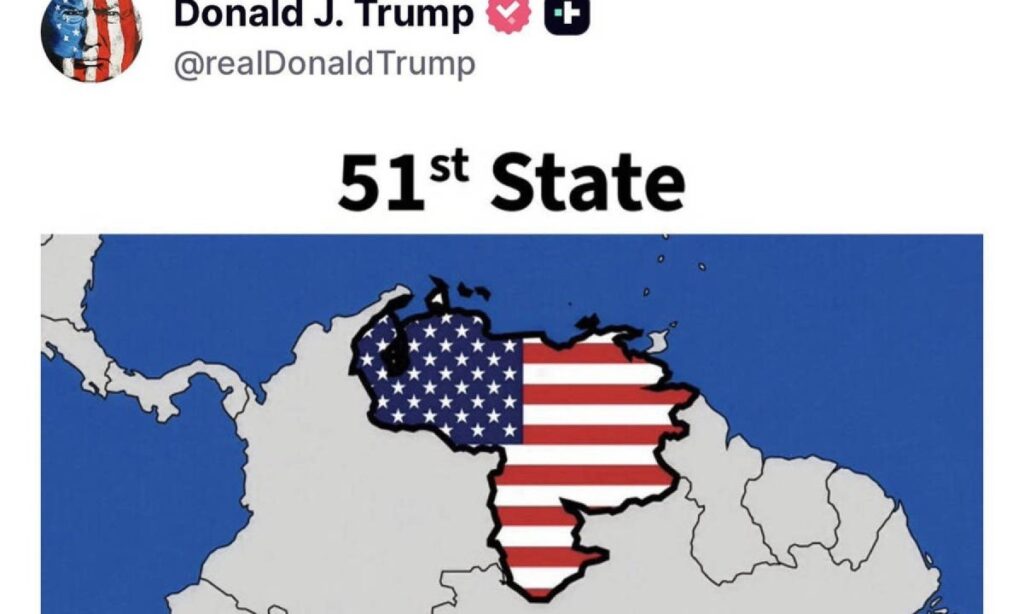
US President Donald Trump triggered international controversy after publishing an image portraying Venezuela as the “51st state” of the United States on his social media platform, Truth Social.
The image showed the Venezuelan map covered with the American flag alongside the phrase “51st State,” immediately generating strong reactions across Latin America and global political circles. The post came shortly after Trump reportedly stated in an interview that he was “seriously considering” deeper US integration with Venezuela.
Political Tensions Intensify
The publication rapidly spread across social media platforms and was later reposted by official US government-related accounts, intensifying diplomatic tensions surrounding Washington’s relationship with Caracas.
Venezuelan interim leader Delcy Rodríguez rejected the suggestion, insisting that Venezuela would never become part of the United States and reaffirming the country’s sovereignty.
Why the Post Created International Reactions
The controversy arrives during a period of major geopolitical instability in the Americas following months of growing US involvement in Venezuelan political affairs.
Analysts say Trump’s statement and imagery could further inflame debates involving:
- US influence in Latin America,
- oil and energy control,
- regional security,
- and accusations of American expansionism.
The situation also revived comparisons to Trump’s previous comments involving Greenland and Canada becoming part of the United States.
Venezuela’s Strategic Importance
Venezuela remains one of the world’s largest oil reserve holders, making the country strategically important for global energy markets and US foreign policy.
Recent political changes in Caracas have reopened parts of Venezuela’s oil and mining sectors to foreign investment, particularly involving American companies.
Experts believe Trump’s provocative messaging may also be linked to broader discussions surrounding energy security and regional influence.
Global Debate Explodes Online
The image quickly became one of the most discussed geopolitical topics online, with supporters praising Trump’s aggressive rhetoric while critics accused him of undermining Venezuelan sovereignty.
Political analysts warn that even symbolic posts from world leaders can significantly impact diplomatic relations and international stability.
What Happens Next?
Neither the White House nor Venezuelan authorities have announced any formal policy changes following the controversy.
However, the post further increases uncertainty surrounding future US-Venezuela relations and raises questions about how far Trump may be willing to push his geopolitical ambitions in the Western Hemisphere.
Related Posts
Nadella says Microsoft must rebuild trust with Windows and Xbox users as consumer segments face mounting pressure
Microsoft CEO Satya Nadella acknowledged during the company's fiscal Q3…
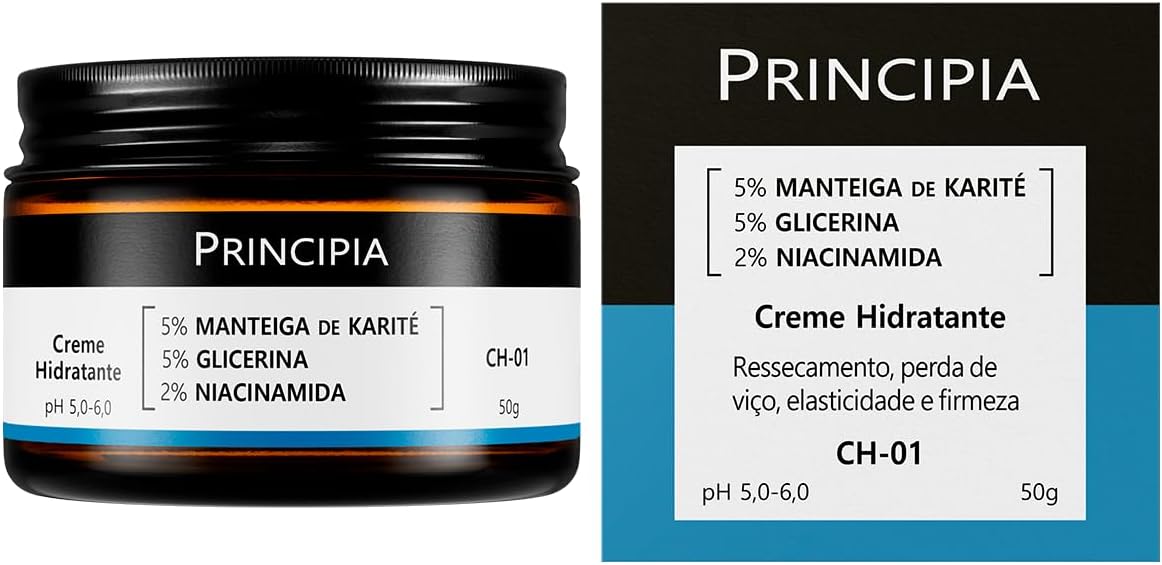
Principia Creme Hidratante Facial: Vale a Pena em 2026?
Um hidratante nacional com fórmula de dermocosmético, ingredientes ativos transparentes…
Trump Cancels Envoys’ Trip to Pakistan Amid Stalled Iran Talks
Photo: SALWAN GEORGES/EFE/EPA/POOL Donald Trump has canceled a planned trip…
