
A Russian cargo vessel that mysteriously sank near the Spanish coast may have been transporting nuclear reactor components destined for North Korea, according to multiple international investigations and intelligence reports. The incident is now fueling speculation about covert military operations, nuclear proliferation, and rising geopolitical tensions involving Moscow and Pyongyang.
The ship, identified as the Ursa Major, reportedly suffered multiple explosions before sinking in the Mediterranean Sea approximately 100 kilometers from Spain. Spanish authorities and intelligence analysts are investigating whether the vessel was carrying components linked to submarine nuclear reactors.
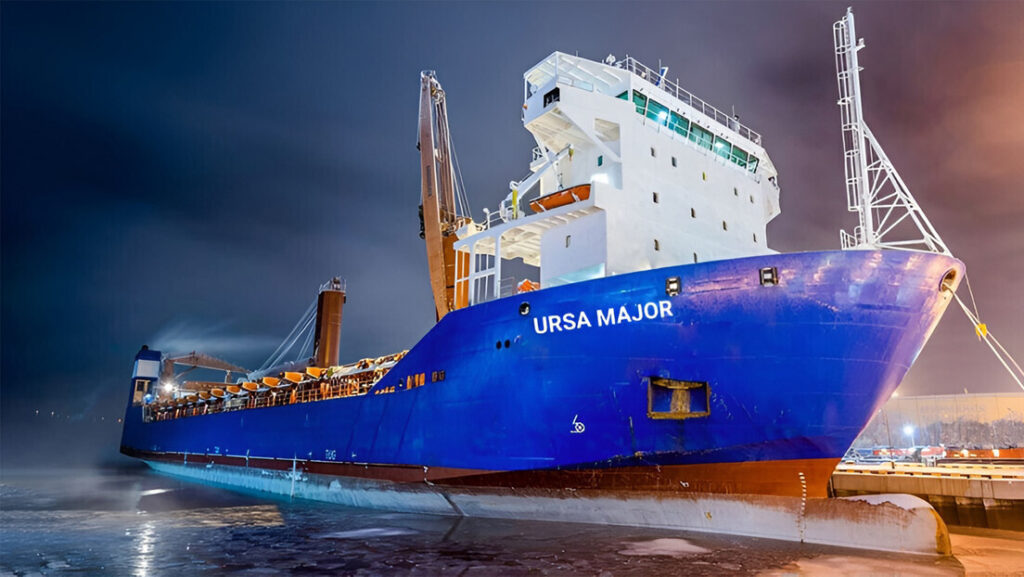
Nuclear Components Hidden as Civilian Cargo
According to reports, the cargo manifest allegedly described the shipment as industrial equipment and metal components. However, investigators later concluded the ship may have been transporting parts associated with two nuclear reactors similar to those used in military submarines.
The suspected destination was reportedly North Korea, raising fears that Russia could be assisting Pyongyang’s naval nuclear ambitions amid strengthening military ties between both countries.
Mystery Explosions Raise Sabotage Theories
The sinking occurred after a sequence of explosions damaged the vessel’s structure, killing crew members and forcing an emergency distress call.
Defense analysts and international observers are now debating whether the incident may have involved:
- sabotage,
- underwater explosives,
- or a covert interception operation designed to prevent sensitive nuclear technology from reaching North Korea.
Spanish seismic monitoring reportedly detected signals compatible with detonations near the time of the sinking. Investigators also noted unusual military aircraft activity in the area after the incident.
Global Security Concerns Intensify
If confirmed, the alleged transfer of reactor technology could represent a major escalation in international security concerns surrounding North Korea’s military development.
Analysts warn that submarine nuclear reactor technology could significantly expand Pyongyang’s ability to operate longer-range naval assets and potentially increase regional instability in Asia.
The incident also increases diplomatic pressure on Russia as Western governments continue monitoring military cooperation between Moscow and North Korea during ongoing global conflicts.
Investigation Still Ongoing
Neither the Kremlin nor North Korean authorities have officially confirmed the nature of the cargo.
Meanwhile, Spanish investigators continue analyzing wreckage data, missing black box information, and communication records connected to the final moments before the explosions occurred.
Security experts believe the case could become one of the most controversial international military investigations involving nuclear technology in recent years.
Related Posts

Trump Sparks Global Controversy After Posting Image of Venezuela as America’s “51st State”
US President Donald Trump triggered international controversy after publishing an…
Italy’s Campi Flegrei is “speeding toward a breaking point” — and 500,000 people near Naples could be at risk
A new scientific study concludes that Campi Flegrei — one…
US Searches for Explosives in Strait of Hormuz to Restore Shipping Routes
The United States has launched an operation to locate and…
