
The European Union has suspended imports of certain Brazilian meat products after regulators raised concerns about insufficient guarantees involving antibiotic controls and food safety standards.
European authorities said the decision was based on what they described as a lack of consistent assurances regarding the monitoring and use of veterinary antibiotics within parts of Brazil’s meat production chain.
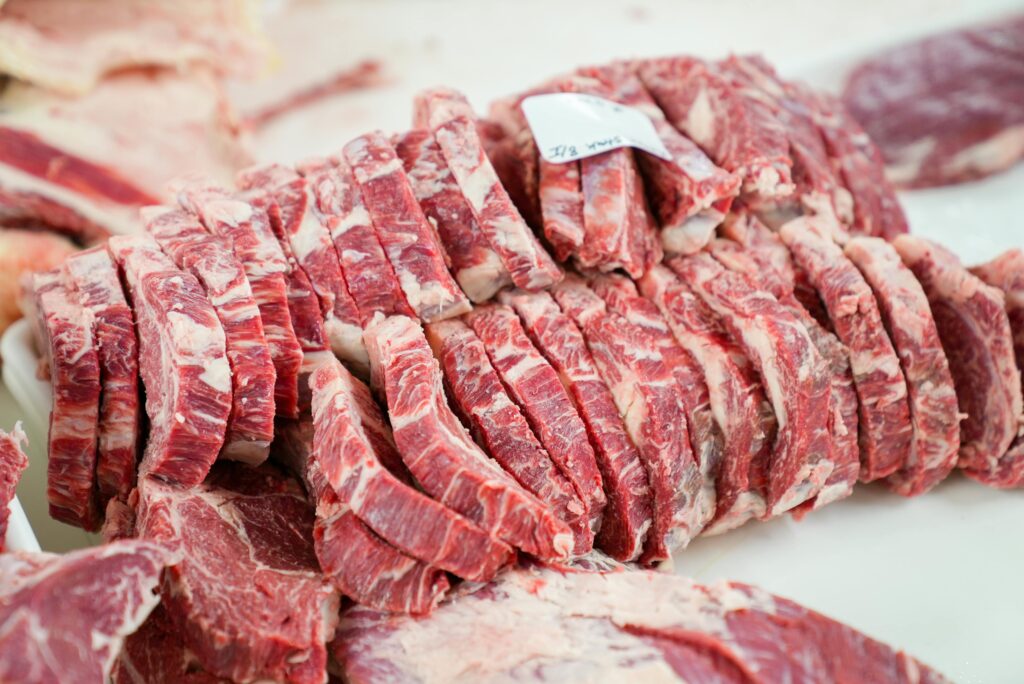
Trade Tensions Between Brazil and Europe Intensify
The restriction increases pressure on Brazil’s powerful agribusiness sector, one of the country’s largest export industries.
The European Union remains an important destination for premium Brazilian meat exports, and any disruption could impact:
- international trade flows,
- food prices,
- export revenue,
- and global supply chains.
Brazilian officials argue that the country already follows strict sanitary controls and international veterinary standards.
Why Antibiotic Use Became a Major Issue
European regulators are increasingly focused on reducing risks linked to excessive antibiotic use in animal production due to concerns involving:
- antimicrobial resistance,
- public health risks,
- and food contamination.
The EU has implemented some of the world’s strictest food safety and traceability regulations, especially for imported meat products.
According to reports, European inspectors requested additional guarantees and documentation regarding veterinary monitoring procedures before allowing certain Brazilian shipments to continue entering the bloc. (jovempan.com.br)
Global Food Markets Watching Closely
The decision comes during a period of heightened global concern involving food inflation, agricultural supply chains, and geopolitical trade disputes.
Analysts warn that stricter import barriers between major economies could further increase volatility in international food markets already affected by:
- rising transportation costs,
- climate disruptions,
- and geopolitical instability.
The move also reignites debates over environmental standards, food regulation, and competitiveness between South American exporters and European producers.
Impact on Brazilian Agribusiness
Brazil remains one of the world’s largest meat exporters, supplying beef and poultry to dozens of countries.
If restrictions expand, some analysts believe Brazilian exporters may redirect shipments toward Asian and Middle Eastern markets instead of Europe.
Meanwhile, trade negotiations between Brazil and European authorities are expected to continue in an attempt to restore confidence and avoid broader disruptions to agricultural exports.
Related Posts

AI Could Be Key to Solving the Global Antibiotic Resistance Crisis, Experts Say
A growing global health threat—antimicrobial resistance—is reaching a critical point,…

GTA 6 Rumors Suggest Four Editions and Multiple Price Tiers Ahead of Pre-Orders
Rumors surrounding Grand Theft Auto VI continue dominating the gaming…

New Sexual Violence Allegations Reignite Epstein Scandal in the United Kingdom
New allegations involving sexual violence are reportedly shaking investigations connected…
