US stock futures moved lower on Thursday as investors closely monitored ongoing negotiations related to the conflict involving Iran, increasing uncertainty across global financial markets.
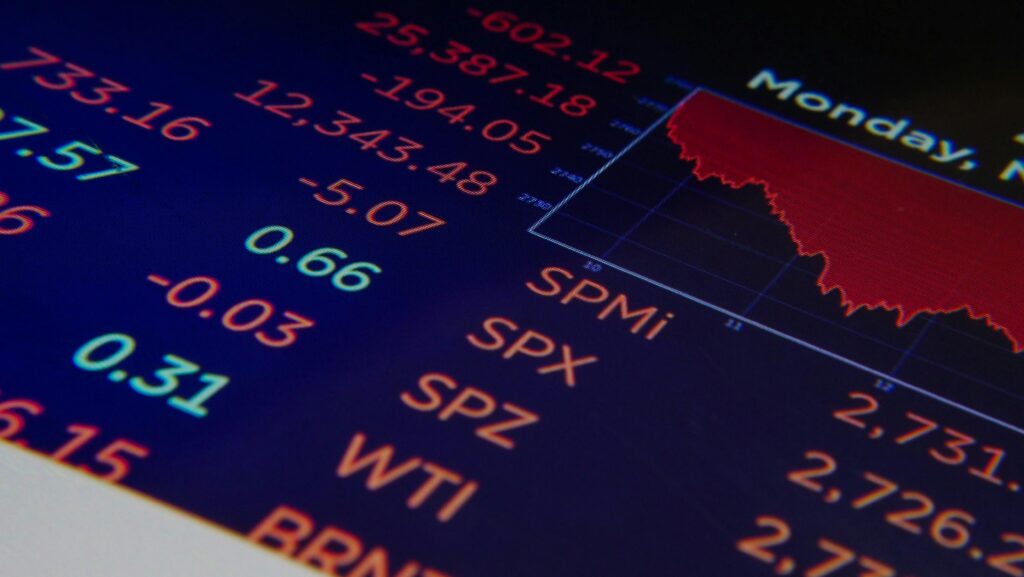
Dow Jones, S&P 500, and Nasdaq futures all slipped in premarket trading as traders reacted cautiously to geopolitical tensions and renewed concerns over energy prices, inflation, and global economic stability. (infomoney.com.br)
Markets Turn Defensive
Investors shifted toward safer assets amid fears that negotiations between the United States and Iran could either fail or trigger additional instability in the Middle East.
Oil prices remained highly volatile as traders watched developments surrounding the Strait of Hormuz — one of the world’s most important shipping routes for crude exports.
Brent crude briefly climbed above key resistance levels before retreating slightly during early trading hours. Analysts warn that any escalation could rapidly impact inflation expectations and central bank policy worldwide. (reuters.com)
Why Investors Are Concerned
Financial markets are increasingly sensitive to geopolitical events because of their direct impact on:
- energy prices,
- supply chains,
- inflation,
- and global trade flows.
The possibility of disruptions in Gulf shipping routes has already increased freight costs and added pressure to commodities markets.
At the same time, traders continue to evaluate the broader economic outlook amid uncertainty surrounding interest rates and slowing global growth.
Tech Stocks and Crypto Also Under Pressure
Technology shares and cryptocurrencies also showed weakness as risk appetite declined.
Bitcoin and major altcoins pulled back after failing to maintain recent gains above critical resistance levels, while major tech stocks faced profit-taking during premarket trading.
Analysts say geopolitical uncertainty often pushes investors toward defensive sectors such as utilities, healthcare, and government bonds.
Oil Remains the Key Market Driver
Energy markets remain at the center of investor attention.
Even small disruptions in Middle East oil production or shipping can trigger sharp movements in crude prices, which then ripple across:
- transportation,
- manufacturing,
- food prices,
- and consumer inflation globally.
Some analysts believe markets may remain highly volatile until clearer signals emerge from diplomatic negotiations.
What Happens Next?
Investors are now focused on:
- updates from US-Iran negotiations,
- upcoming Federal Reserve commentary,
- inflation indicators,
- and corporate earnings reports.
If diplomatic efforts progress positively, markets could stabilize quickly. However, renewed military escalation may increase volatility across stocks, commodities, and cryptocurrencies in the coming days.
Related Posts
Oil Prices Could Rise Further, Says JPMorgan: “It’s Simple Math”
Global oil prices may still have room to climb, according…
China and Russia Deepen Strategic Alliance With 42 New Agreements Signed
Xi Jinping and Vladimir Putin strengthened strategic ties between China…
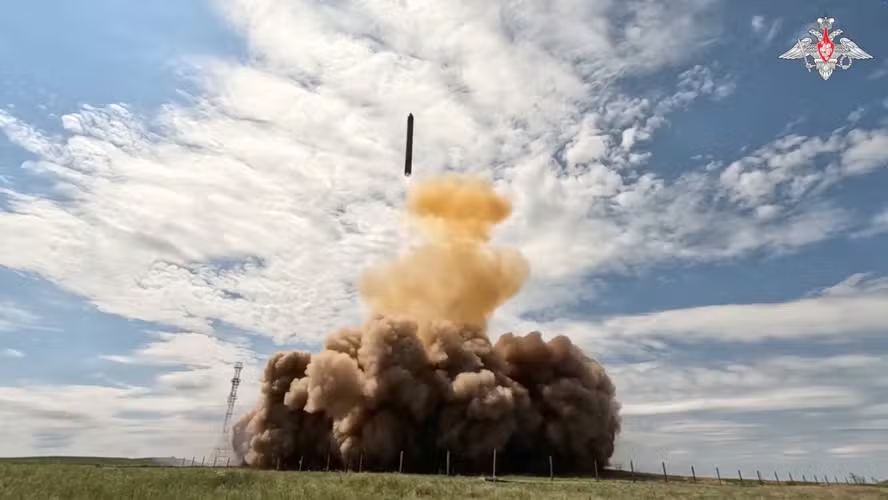
Putin Announces Deployment of Russia’s Sarmat Nuclear Missile, Described as the Most Powerful in the World
Russian President Vladimir Putin announced that Russia will deploy its…
