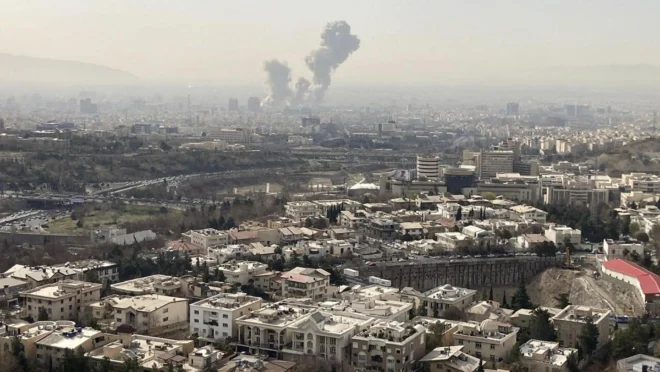
The United States has reportedly seen a significant reduction in its stockpile of advanced missiles and high-cost weapons following its recent conflict with Iran, according to information cited by the New York Times based on internal defense assessments.
Sources familiar with the matter indicate that thousands of precision-guided munitions were used during the conflict, including weapons originally reserved for potential large-scale military scenarios.
Heavy Use of Advanced Weapons
Among the equipment reportedly consumed were long-range stealth cruise missiles, Tomahawk missiles, and Patriot interceptors—some of the most expensive and strategically important systems in the U.S. arsenal.
Estimates suggest:
- Over 1,000 long-range cruise missiles
- Around 1,000 Tomahawk missiles
- Approximately 1,200 Patriot interceptors
- Additional precision-guided and ground-based missile systems
Some of these weapons were initially intended for deterrence in other global scenarios, raising concerns about current readiness levels.
Rising Tensions in Strategic Waters
The situation is further complicated by ongoing tensions in the Strait of Hormuz, one of the world’s most critical shipping lanes for oil and natural gas.
Military activity in the region has increased, with efforts focused on securing maritime routes and addressing potential threats to commercial shipping. There are also concerns about naval mines in the area, which could disrupt global energy flows if confirmed.
Economic and Global Impact
The Strait of Hormuz is responsible for a significant portion of global energy transportation. Any prolonged disruption could have ripple effects across international markets, potentially impacting fuel prices and economic stability worldwide.
Additionally, reports suggest that clearing any hazards in the region could take months, depending on the scale of the threat.
Ongoing Developments
Officials continue to monitor the situation closely, as geopolitical tensions remain high. Discussions around military readiness, supply replenishment, and long-term strategy are expected to intensify in the coming weeks.
Related Posts
Ceasefire Between Israel and Lebanon Extended by Three Weeks
US President Donald Trump — Photo: KENT NISHIMURA/AFP The ceasefire…

GTA 6 Trailer 3 and pre-order details: everything leaked so far — and what’s actually credible
With GTA 6's November 19 release date less than six…

Trump Refuses to Let Iran Use Rising Gas Prices as Leverage to End Conflict, Rubio Says
US Secretary of State Marco Rubio said President Donald Trump…
