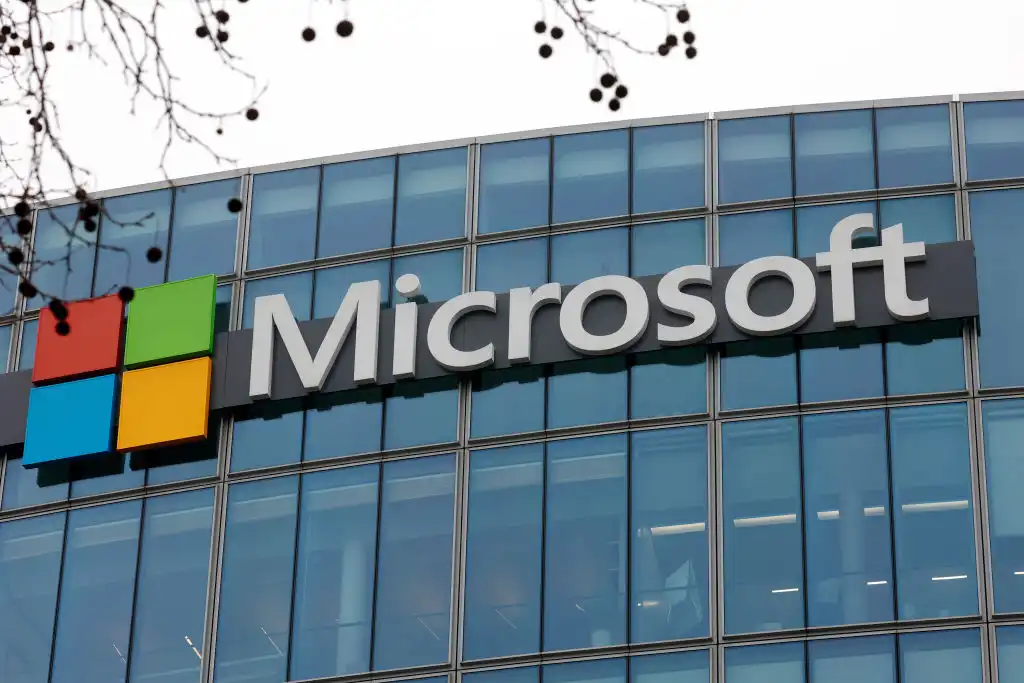
Microsoft has confirmed plans to adopt a new artificial intelligence model focused on cybersecurity, developed by Anthropic. The system, known as Claude Mythos, will be incorporated into the company’s internal security infrastructure.
According to an official statement, the AI will be used to strengthen Microsoft’s ability to detect and respond to vulnerabilities across its software ecosystem, including products tied to the Windows platform.
Strengthening Secure Development
The model is expected to play a role in Microsoft’s Security Development Lifecycle (SDL), a framework that defines how security is integrated into software design and deployment.
Within this process, Claude Mythos will help identify potential weaknesses earlier in development, as well as support faster and more coordinated defensive responses.
Microsoft also indicated that additional advanced AI systems—yet to be publicly named—may be integrated alongside Mythos as part of its broader cybersecurity efforts.
Performance and Capabilities
The company stated that internal evaluations showed meaningful improvements compared to earlier AI models, particularly in tasks involving real-time code analysis and engineering workflows.
Although detailed benchmarks were not disclosed, the results suggest that newer AI systems are becoming increasingly effective at handling complex security challenges.
Limited Access and Security Concerns
Claude Mythos has drawn attention due to its restricted availability. Anthropic has chosen not to release the model to the general public, instead offering access only to select organizations through a controlled initiative.
The decision reflects concerns about the potential misuse of such technology, especially if used to identify and exploit vulnerabilities rather than defend against them.
Reports indicate that even government entities, including those in the United States, are exploring potential access to the system.
Industry Reactions
The growing influence of AI in cybersecurity has sparked debate across the tech industry. While some see tools like Mythos as a major advancement in digital defense, others have raised concerns about concentration of power and transparency.
Sam Altman, CEO of OpenAI, has publicly questioned the way such technologies are presented, suggesting that some narratives may overstate risks or limit broader access.
Outlook
As cyber threats continue to evolve, major technology companies are increasingly turning to AI to strengthen their defenses. Microsoft’s adoption of Claude Mythos highlights a broader trend toward integrating advanced machine learning systems into core security operations.
While the benefits are clear, the move also raises important questions about access, control, and the future role of AI in global cybersecurity.
Related Posts

Bill Ackman’s Pershing Square IPO Expected to Raise $5 Billion
Billionaire investor Bill Ackman is preparing to take part of…

NASA Plans to Start a Fire on the Moon — The Real Reason Behind This Unusual Experiment
At first glance, it sounds alarming: NASA wants to start…

Telegram Crypto Surge: Toncoin Jumps 36% After Billionaire Takes Control of Network
The cryptocurrency linked to Telegram is making headlines after a…
