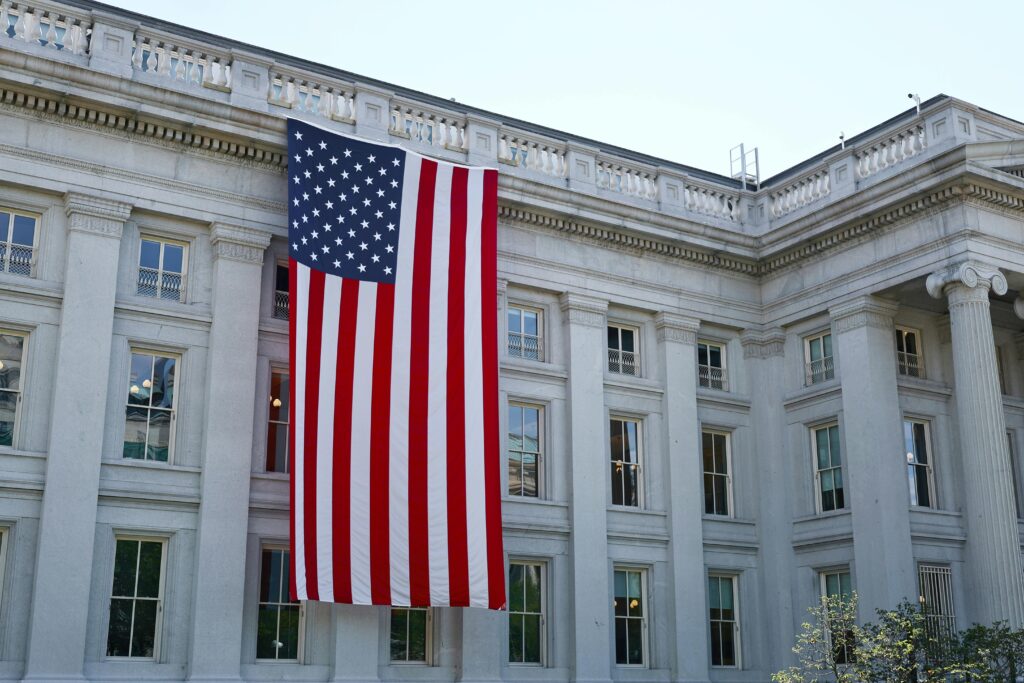
The U.S. Federal Reserve is expected to keep interest rates elevated for longer than previously anticipated, as inflation remains above target and geopolitical tensions continue to pressure the global economy.
Analysts now warn that rate cuts could be delayed until 2027 or even replaced by new hikes depending on how inflation evolves.
Interest Rates Likely to Stay High
Markets widely expect the Federal Reserve to maintain interest rates in the current range of 3.50% to 3.75% in the near term.
The central bank is taking a cautious, data-driven approach, with policymakers prioritizing inflation control over stimulating growth.
Inflation Remains the Key Problem
The main obstacle to rate cuts is persistent inflation.
- The Fed’s preferred measure (PCE) is still above target
- Headline inflation is projected around 3.4% annually
- Core inflation remains above 3%
Rising energy prices—partly driven by geopolitical conflicts—are adding further pressure, making it harder for inflation to return to the Fed’s 2% goal.
War and Energy Prices Complicate Outlook
Global tensions, especially in the Middle East, are playing a major role in shaping the economic outlook.
- Oil supply disruptions have pushed prices higher
- Energy costs are feeding into broader inflation
- Supply chain pressures are increasing
These factors are creating what analysts call a “geopolitical inflation shock”, affecting global markets and monetary policy decisions.
Risk Shifts From Cuts to Possible Hikes
The narrative around U.S. interest rates is changing.
Instead of asking when rates will fall, some policymakers are now questioning whether they may need to rise again.
- Fed officials have warned inflation risks outweigh labor market concerns
- Some members have signaled openness to raising rates again if needed
Rate Cuts May Only Begin in 2027
Market data suggests a much longer timeline for easing monetary policy.
- Investors see a low probability of cuts in the near term
- The first meaningful rate reduction may only happen in late 2027
- Some forecasts even point to a rate hike in 2027 instead of cuts
This reflects a shift toward a “higher-for-longer” interest rate environment.
Long-Term Outlook: A New Normal
Even in the long run, interest rates may not return to pre-pandemic lows.
- Fed projections suggest rates around 3.1% in 2027
- Structural factors like stronger demand and persistent inflation may keep rates elevated
This indicates a possible new equilibrium for the U.S. economy.
What Needs to Happen for Rate Cuts?
For the Fed to begin cutting rates, several conditions must be met:
- Clear and sustained decline in inflation
- Cooling labor market
- Stabilization in energy prices
- Reduced geopolitical risks
Until then, policymakers are expected to remain cautious.
Final Thoughts
The outlook for U.S. interest rates has shifted significantly:
Cuts are no longer guaranteed in the short term
Inflation remains the dominant concern
2027 is increasingly seen as the earliest window for easing
For markets and investors, this means preparing for a prolonged period of higher borrowing costs.
Related Posts

Ray Dalio Warns U.S. May Be Entering Stagflation – Says Rate Cuts Would Be a “Serious Mistake”
Billionaire investor Ray Dalio has raised fresh concerns about the…

Drone strikes UAE’s Barakah nuclear plant for the first time — fire contained, no radiation released, IAEA expresses “grave concern”
A drone attack sparked a fire at an electrical generator…
Nadella says Microsoft must rebuild trust with Windows and Xbox users as consumer segments face mounting pressure
Microsoft CEO Satya Nadella acknowledged during the company's fiscal Q3…
