
G7 Holds Interest Rates Amid Oil Pressure and Global Inflation Uncertainty
Central banks across the world’s largest economies are choosing caution as rising oil prices continue to cloud the outlook for global inflation.
Leaders from the G7 have signaled a pause in interest rate changes, opting to wait for clearer economic data before making their next move.
Oil Prices Driving Inflation Concerns
The main factor behind this decision is the recent surge in energy costs, largely tied to geopolitical tensions in the Middle East.
Oil prices have climbed significantly in recent months, creating upward pressure on inflation worldwide. This kind of energy shock has historically been one of the biggest drivers of price increases across economies.
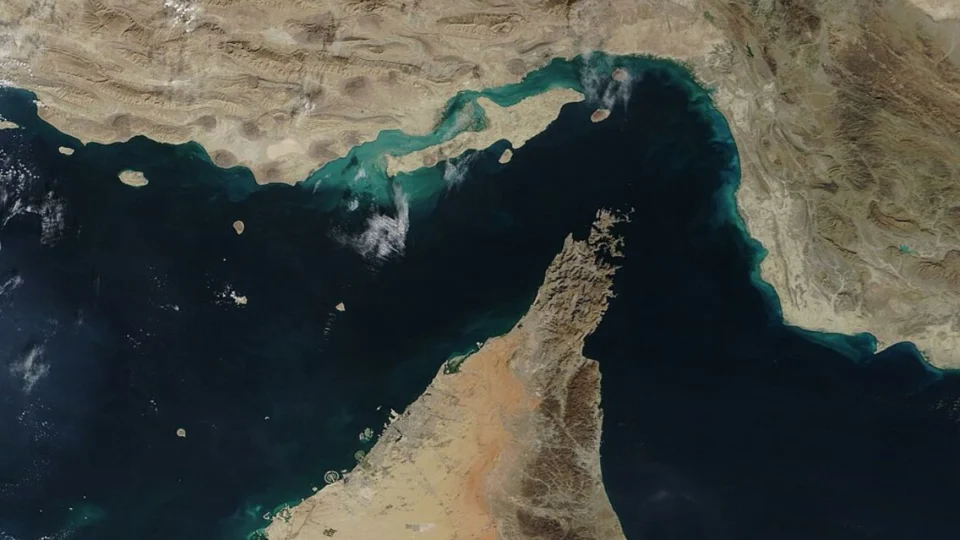
In fact, disruptions in key routes like the Strait of Hormuz have affected a large share of global oil supply, amplifying the impact on markets.
Central Banks Choose to Wait
Rather than reacting aggressively, major central banks—including the Federal Reserve and the European Central Bank—are holding interest rates steady for now.
Officials are concerned that raising rates too quickly could hurt already fragile economic growth, especially as global activity shows signs of slowing.
At the same time, cutting rates too soon could fuel inflation further if energy prices remain elevated.
A Delicate Balance
Economists describe the current situation as a balancing act:
- Higher oil prices → push inflation up
- Weak growth → limits aggressive rate hikes
- Uncertainty → forces central banks to wait
Recent forecasts suggest inflation may stay above target levels longer than expected, particularly if energy disruptions persist.
Global Impact Already Visible
The effects are already being felt in several economies:
- Fuel prices are rising sharply
- Transportation and food costs are increasing
- Consumer confidence is weakening
In some countries, inflation has already ticked higher due to energy costs, reinforcing concerns among policymakers.
What Comes Next?
For now, the G7’s strategy is clear:
Wait for more data
Monitor inflation trends
Avoid premature decisions
However, if oil prices continue to rise or inflation spreads beyond energy, central banks may be forced to act more aggressively later in the year.
Bottom Line
The global economy is entering a period of heightened uncertainty.
Oil prices are driving inflation risks
Central banks are holding rates steady
Future decisions will depend on incoming data
In short, policymakers are choosing patience but the situation could change quickly.
Related Posts

FBI Investigates Mysterious Deaths and Disappearances of Scientists in the U.S.
U.S. authorities have launched an investigation into a series of…
SpaceX Starship V3 completes its first test flight and “delivered” on all goals — a key milestone ahead of the largest IPO in history
The world's largest and most powerful rocket lifted off from…
Iran Seizes Ships in Strait of Hormuz as Tensions Rise After Ceasefire Extension
Tensions in the Middle East have escalated once again after…
