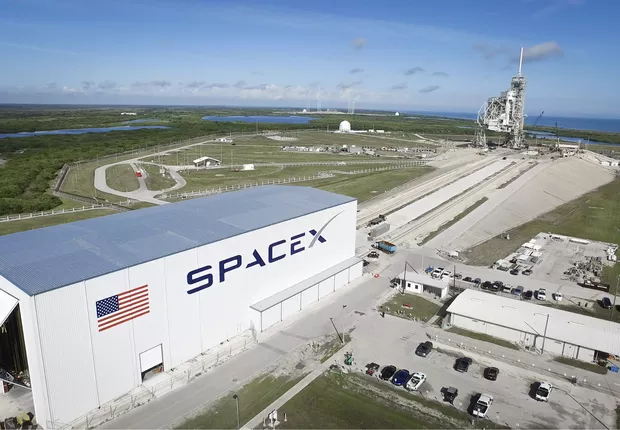
A recent IPO filing indicates that SpaceX could maintain a governance structure that allows its founder, Elon Musk, to keep significant influence over the company’s board of directors.
According to details reviewed from the filing, SpaceX plans to operate as a “controlled company” following its anticipated public offering. This classification would allow the company to adopt a different governance model compared to most publicly traded firms.
What “Controlled Company” Status Means
By maintaining this status, SpaceX would not be required to have a majority of independent board members. It could also bypass the need for fully independent compensation and nomination committees—two structures typically expected in public companies.
However, the company would still be required to maintain an independent audit committee.
A Rare Structure Among Public Companies
This approach is relatively uncommon. Studies show that only a small percentage of companies in major U.S. indexes operate with boards primarily composed of insiders.
Even so, adopting this structure gives companies more flexibility in decision-making, particularly when it comes to executive compensation and strategic direction.
Comparison With Other Tech Companies
Some technology firms, such as Meta, also qualify as controlled companies due to concentrated voting power. However, Meta has still opted to maintain a board with a majority of independent directors, showing that companies can choose to go beyond minimum requirements.
Governance and Investor Considerations
Reports suggest that Musk and a small group of insiders hold voting shares that outweigh those of other investors, reinforcing his influence over company decisions.
This type of structure has drawn attention in the past, particularly in relation to governance practices at Tesla, where some critics have questioned the independence of board members.
Flexibility vs Oversight
Experts note that controlled company status can provide advantages, especially in structuring executive compensation and long-term strategy. At the same time, it may raise concerns among investors who prioritize independent oversight.
As SpaceX moves closer to a potential IPO, its governance structure is likely to be a key point of discussion. While the controlled company model offers flexibility, it also highlights the balance between founder control and investor expectations in one of the most anticipated public offerings in recent years.
Related Posts

Who Is Raúl Castro? Cuban Revolution Figure Faces U.S. Murder Charges Decades Later
Raúl Castro has once again become a central figure in…

Trump proposes framework to reopen the Strait of Hormuz while preserving naval blockade on Iran
Donald Trump has outlined a new approach to restoring maritime…

38-Year-Old Spearfisher Killed by Great White Shark at Rottnest Island in Australia’s Second Fatal Attack of 2026
The man was attacked at Horseshoe Reef shortly before 10am…
